
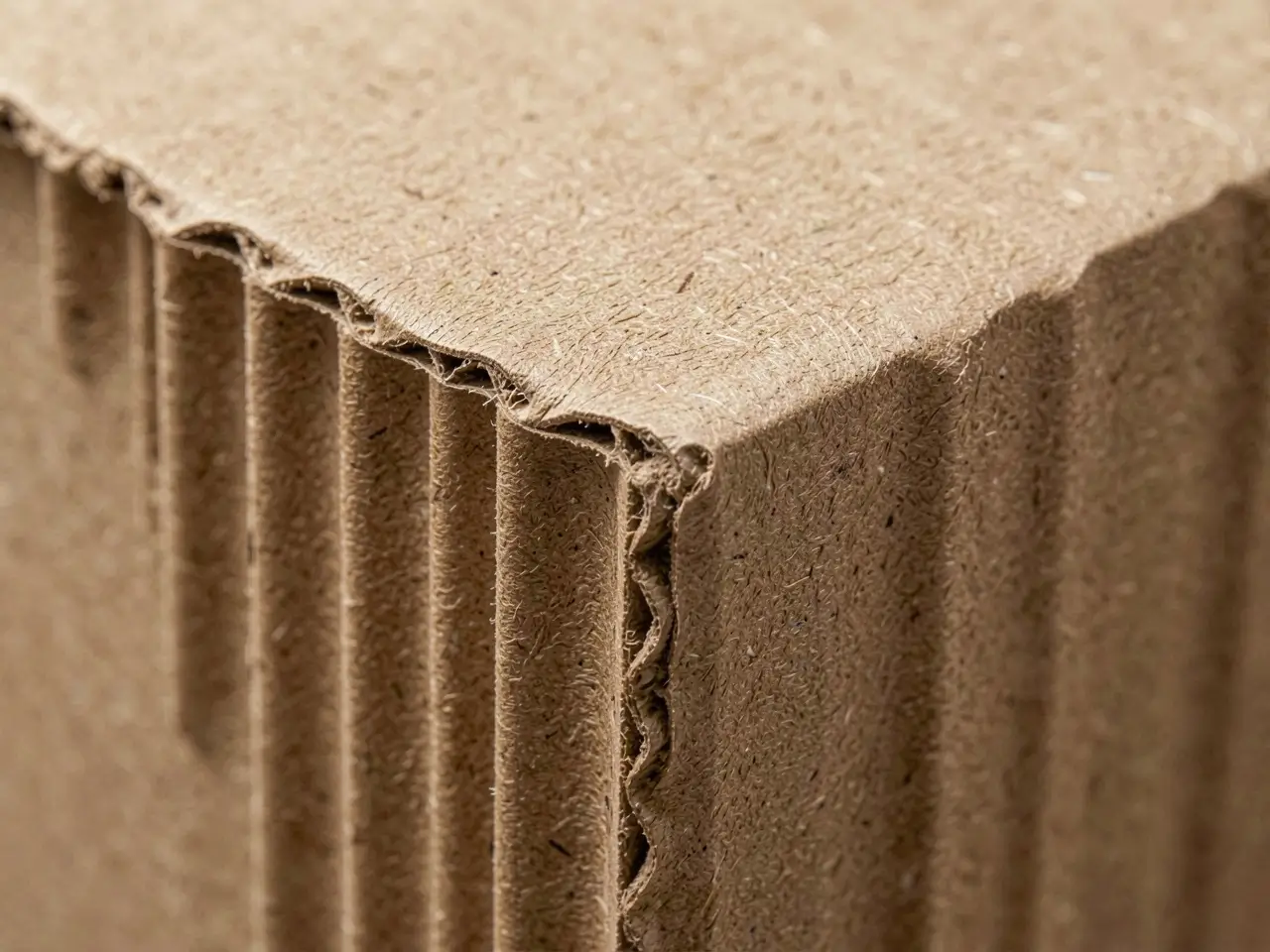
Key Insight: In 2026, sustainable packaging is no longer optional – it is a market necessity. Companies that invest in recyclable, compostable, and paper-based solutions are gaining a competitive edge.
Introduction
The global packaging industry is undergoing a transformative shift, driven by increasing environmental awareness and regulatory pressures. As companies strive to meet sustainability goals, the demand for eco-friendly packaging, recyclable materials, and biodegradable packaging solutions continues to rise dramatically. In April 2026, several key developments have highlighted this trend, showcasing how leading packaging manufacturers like Mondi, Amcor, and Tetra Pak are innovating to meet the evolving needs of the market. From Mondi’s sustainable packaging solutions at Interpack 2026 to Amcor’s collaboration with DCM on recycle-ready fertiliser packaging, these updates reflect a broader movement toward circular economy principles. This comprehensive analysis explores the latest innovations, strategic partnerships, and market dynamics shaping the future of sustainable packaging materials in the global marketplace.
What It Is
Sustainable packaging materials refer to substrates and structures designed to minimize environmental impact across the product lifecycle. These materials prioritize renewability, recyclability, compostability, or biodegradability while maintaining functional performance. Key categories include paper-based barriers, recycle-ready plastics, and bio-based polymers. In 2026, these materials are not just niche options but mainstream requirements driven by regulations like the EU Packaging and Packaging Waste Regulation (PPWR) and consumer demand for eco-conscious brands.
Key Specifications
When evaluating sustainable packaging materials, B2B buyers should consider the following technical parameters:
- Recyclability rate: Percentage of material recoverable in existing waste streams (target: >90%)
- Barrier performance: Oxygen transmission rate (OTR) and moisture vapor transmission rate (MVTR) for product protection
- Compostability certification: Compliance with EN 13432 or ASTM D6400 standards
- Renewable content: Percentage of bio-based or recycled feedstock
- Mechanical strength: Tensile strength and puncture resistance for handling and transport
| Material Type | Key Property | Typical Application |
|---|---|---|
| Paper-based barrier | High OTR/MVTR with coating | Dry food, confectionery |
| Recycle-ready plastic | Mono-material structure | Fertiliser, household chemicals |
| Compostable bioplastic | Industrial compostability | Fresh produce, takeaway |
Applications
Sustainable packaging materials are deployed across diverse sectors. In food and beverage, paper-based alternatives replace plastic for dry goods and snacks. Agricultural packaging benefits from recycle-ready designs, as seen in Amcor’s fertiliser solution. Consumer goods companies use compostable films for e-commerce mailers. Pharmaceutical and healthcare sectors adopt recyclable blister packs. The common thread is that each application demands specific barrier and mechanical properties, which advanced materials now deliver without compromising sustainability.
Buying Considerations
For procurement managers and packaging engineers, selecting sustainable materials requires balancing cost, performance, and regulatory compliance. Key factors include: verifying certifications (e.g., FSC for paper, OK Compost for bioplastics); assessing compatibility with existing filling and sealing equipment; evaluating supply chain availability and lead times; and calculating total cost of ownership including waste management fees. Partnering with established manufacturers like Mondi or Amcor reduces risk, as they provide technical support and proven formulations.
Why XIYONG
XIYONG stands at the forefront of sustainable packaging innovation, offering a comprehensive portfolio of eco-friendly materials tailored to B2B requirements. Our paper-based barrier solutions match the performance of traditional plastics while being fully recyclable in standard paper streams. We collaborate closely with OEMs to ensure seamless integration into your production lines. With rigorous quality control and certifications including FSC and ISO 14001, XIYONG delivers materials that meet both regulatory demands and your sustainability targets. Our technical team provides end-to-end support, from material selection to on-site trials.
Conclusion
The 2026 market trends confirm that sustainable packaging is a strategic imperative. Innovations from Mondi, Amcor, and Tetra Pak demonstrate that recyclable, compostable, and paper-based solutions are viable at scale. For B2B buyers, the path forward involves selecting materials that balance performance with environmental responsibility. By partnering with a reliable supplier like XIYONG, you can accelerate your transition to sustainable packaging while maintaining operational efficiency.
Contact XIYONG today to explore our sustainable packaging materials and request a sample kit for your specific application.
Work with XIYONG
If you need custom packaging or label solutions for this application, XIYONG can help you evaluate materials, structures, print requirements, and supply options with a practical commercial plan.
Related Product Pages
If you are evaluating this topic for a live packaging project, these product pages can help you compare structures, materials, and application fit more quickly.