
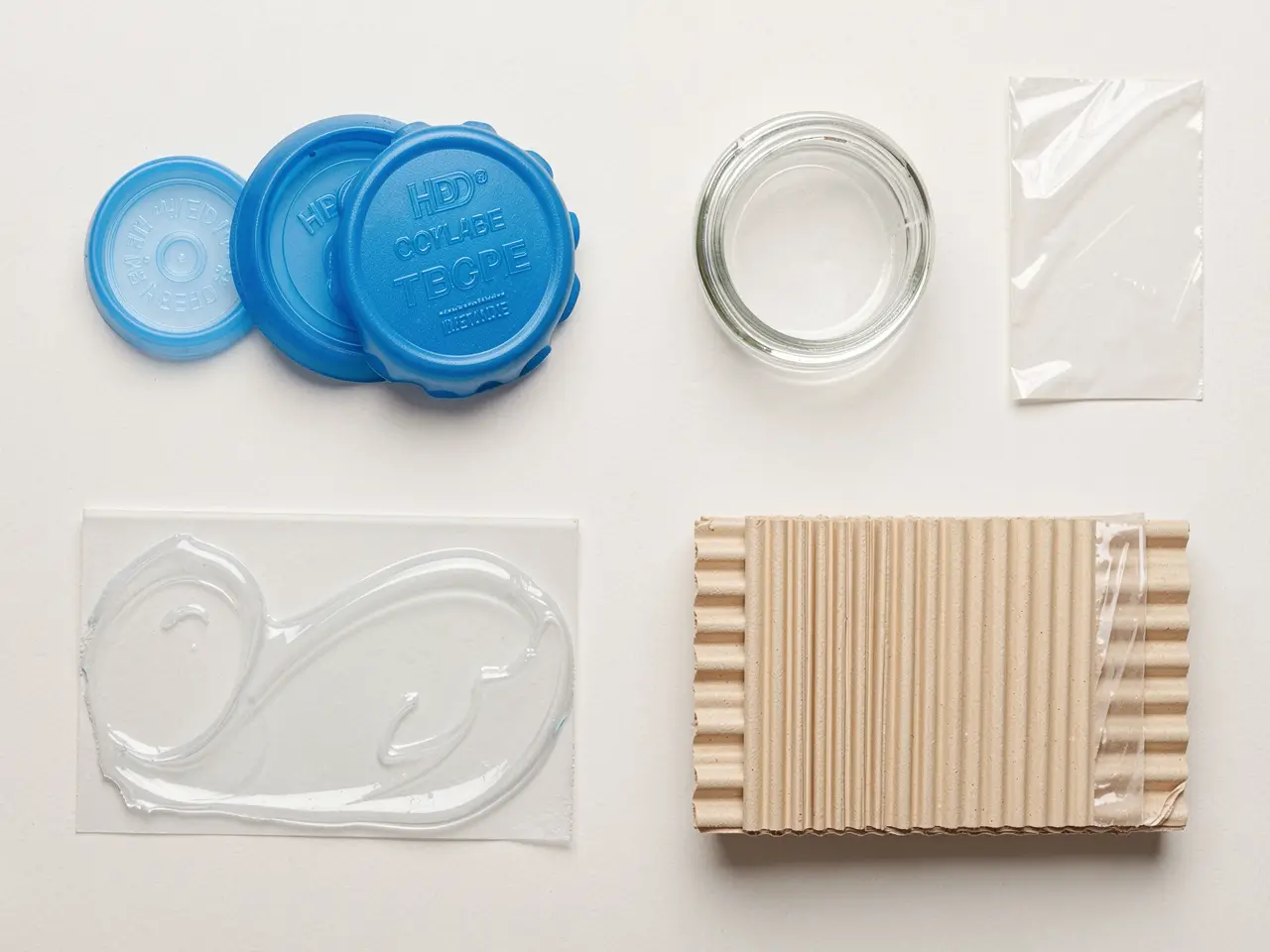
Key Development: Interpack 2026 showcases a decisive shift toward paper-based barriers, compostable foams, and recycle-ready agricultural packaging, driven by regulatory pressure and supply chain digitization.
Overview
As the global packaging industry converges on Dusseldorf for Interpack 2026 (April-May 2026), the spotlight is firmly on sustainable packaging materials and the transformative trends reshaping the sector. This year, major players like Mondi, Amcor, Tetra Pak, PaperFoam, and Ymser Ambalaj are unveiling cutting-edge solutions that address pressing environmental challenges while meeting rigorous performance demands. For B2B packaging manufacturers and procurement professionals, understanding these developments is critical to staying competitive in a rapidly evolving market. This article delves into the latest news, market trends, and regional dynamics, offering actionable insights for navigating the packaging materials trends 2026 landscape.
Interpack 2026 showcases a decisive shift toward paper-based barriers, compostable foams, and recycle-ready agricultural packaging, driven by regulatory pressure and supply chain digitization.
Key Industry Developments
The announcements leading up to and during Interpack 2026 underscore a collective push toward eco-friendly packaging solutions. Here are the standout developments:
Mondi’s OEM Collaborations at Interpack 2026
Mondi, a global leader in paper-based packaging, is showcasing multiple OEM collaborations at Interpack 2026, as reported by FMT Magazine. The company emphasizes its commitment to paper-based barrier solutions and circular economy principles. By partnering with original equipment manufacturers, Mondi aims to integrate sustainable materials into high-performance packaging lines, reducing reliance on fossil-based plastics. This move aligns with the growing demand for recyclable and renewable packaging in sectors like food, beverage, and consumer goods.
Amcor and DCM Launch Recycle-Ready Fertiliser Packaging
Amcor has partnered with DCM to launch recycle-ready fertiliser packaging, supporting EU circular economy compliance, as detailed by Packaging Labelling. This collaboration addresses the agricultural sector’s need for sustainable packaging that meets stringent regulatory standards. The new packaging is designed for easy recycling, reducing waste and enhancing the lifecycle of agricultural products. For procurement professionals, this signals a shift toward circular economy packaging in niche markets.
Tetra Pak Recognizes Feiliks as Outstanding Supply Chain Partner
On April 16, 2026, Tetra Pak recognized Feiliks as its Outstanding Supply Chain Partner, achieving a perfect score in 2025 key metrics, according to Feiliks. This recognition highlights Tetra Pak’s focus on supply chain excellence, which is integral to delivering sustainable packaging solutions. Feiliks’ performance underscores the importance of reliable logistics in scaling eco-friendly innovations, a critical factor for B2B buyers.
PaperFoam Launches PaperFoam Plus
PaperFoam has introduced PaperFoam Plus, a compostable packaging solution designed to tackle environmental issues from traditional materials, as per PaperFoam. This innovation offers a fully sustainable alternative for industrial and consumer applications, using renewable resources and biodegradability. PaperFoam Plus is poised to disrupt sectors like electronics and cosmetics, where lightweight, protective packaging is essential.
Ymser Ambalaj to Showcase Advanced CPET at Interpack 2026
Ymser Ambalaj, a leader in thermoforming, will showcase advanced CPET and sustainable packaging at Interpack 2026, as reported by Interpack. CPET (crystalline polyethylene terephthalate) is valued for its heat resistance and recyclability, making it ideal for food packaging. Ymser’s focus on eco-friendly technologies reflects the broader trend of integrating sustainability into high-performance materials.
Market Analysis
The packaging materials trends 2026 are defined by several key innovations:
Paper-Based Barrier Solutions
Mondi’s emphasis on paper-based barriers is part of a larger movement to replace multi-material laminates with mono-material paper structures. These solutions offer recyclability without compromising on moisture or oxygen protection, crucial for food and pharmaceutical packaging. The global paper packaging market is projected to grow at a CAGR of 4.5% through 2030, driven by regulatory pressures and consumer demand.
Compostable and Biodegradable Materials
PaperFoam Plus exemplifies the rise of compostable packaging, which decomposes in industrial or home composting conditions. This trend is gaining traction in Europe, where the EU’s Packaging and Packaging Waste Regulation (PPWR) mandates higher recycling and composting rates. For B2B buyers, compostable materials offer a way to meet sustainability goals while appealing to eco-conscious end-users.
Recycle-Ready Agricultural Packaging
Amcor and DCM’s collaboration highlights the growing focus on recycle-ready packaging in agriculture. Traditional fertiliser bags often use multi-layer films that are hard to recycle. The new designs simplify material composition, enabling easier processing in existing recycling streams. This innovation supports the EU’s circular economy action plan, which targets a 50% reduction in non-recyclable packaging by 2030.
Advanced Thermoforming with CPET
Ymser’s CPET solutions combine durability with recyclability, addressing the need for sustainable packaging materials in ready-meal and takeaway sectors. CPET trays are microwaveable and oven-safe, offering convenience without sacrificing environmental performance. The global CPET market is expected to reach $1.2 billion by 2028, fueled by demand from food service and retail.
Technology and Sustainability Focus
The intersection of technology and sustainability is driving the packaging materials trends 2026. Key advancements include:
Barrier Coatings from Renewable Sources
Mondi’s paper-based barrier solutions use coatings derived from natural polymers, such as starch and cellulose, to replace petroleum-based layers. These coatings provide effective barriers against grease, oxygen, and moisture, enabling paper packaging for products like snacks and dairy. The technology reduces carbon footprint by up to 30% compared to conventional laminates.
Compostable Foam Alternatives
PaperFoam Plus uses a unique molding process to create lightweight, protective packaging from renewable materials like potato starch and cellulose fibers. Unlike expanded polystyrene (EPS), which persists in landfills for centuries, PaperFoam Plus composts within 90 days in industrial facilities. This innovation is particularly relevant for electronics and medical devices, where cushioning is critical.
Digital Supply Chain Integration
Tetra Pak’s recognition of Feiliks highlights the role of digital tools in optimizing supply chains for sustainable packaging materials. Real-time tracking, AI-driven demand forecasting, and blockchain for traceability are becoming standard. These technologies reduce waste, improve efficiency, and ensure compliance with sustainability standards. For procurement professionals, investing in digital supply chain partners is essential for scaling eco-friendly initiatives.
Advanced Recycling Compatibility
Amcor’s recycle-ready fertiliser packaging is designed to be compatible with existing polyethylene recycling streams. This requires careful material selection to avoid contamination. Innovations in sorting technology, such as near-infrared (NIR) spectroscopy, further enhance recyclability. B2B buyers should seek packaging that is ‘designed for recycling’ to future-proof their operations.
Outlook
Looking ahead, the packaging materials trends 2026 point to several key developments:
Regulatory Drivers Will Intensify
The EU’s PPWR, expected to be fully enforced by 2028, will mandate that all packaging be recyclable or reusable. Similar regulations are emerging in North America and Asia, creating a global push for sustainable materials. Companies that invest early in compliant packaging will gain a competitive edge.
Material Innovation Will Accelerate
Expect more breakthroughs in bio-based polymers, water-soluble films, and edible packaging. PaperFoam’s compostable foam and Mondi’s barrier coatings are just the beginning. R&D spending in sustainable packaging is rising, with major firms allocating up to 15% of revenue to green innovation.
Supply Chain Collaboration Will Be Key
Tetra Pak’s partnership with Feiliks demonstrates that supply chain excellence is as important as material innovation. B2B buyers should seek suppliers with robust logistics, digital tracking, and sustainability certifications. Collaborative models, such as Mondi’s OEM partnerships, will become more common.
Regional Markets Will Diversify
While Europe leads in regulation and innovation, Asia-Pacific offers scale and cost advantages. Latin America and the Middle East are emerging as growth markets for sustainable packaging, driven by export demands and local policies. Procurement strategies must account for regional differences in infrastructure, cost, and regulation.
Conclusion
Interpack 2026 has crystallized the packaging materials trends that will define the industry for the next decade. From Mondi’s paper-based barriers and Amcor’s recycle-ready agricultural packaging to PaperFoam’s compostable foam and Ymser’s advanced CPET, the innovations on display are both practical and transformative. For B2B packaging manufacturers and procurement professionals, the message is clear: sustainability is no longer optional but a strategic imperative. By embracing these trends, companies can reduce environmental impact, comply with regulations, and meet the growing demand for eco-friendly solutions. The future of packaging is sustainable, and the time to act is now.
Sources
Related Product Pages
If you are evaluating this topic for a live packaging project, these product pages can help you compare structures, materials, and application fit more quickly.