
Film Labels for Industrial and Consumer Packaging: A Buyer’s Guide to Materials, Performance, and Supplier Selection
Film labels have become the default choice across a wide range of packaging categories—not because they are fashionable, but because they solve real problems that paper cannot. They resist moisture, conform to curved surfaces, survive cold chain logi
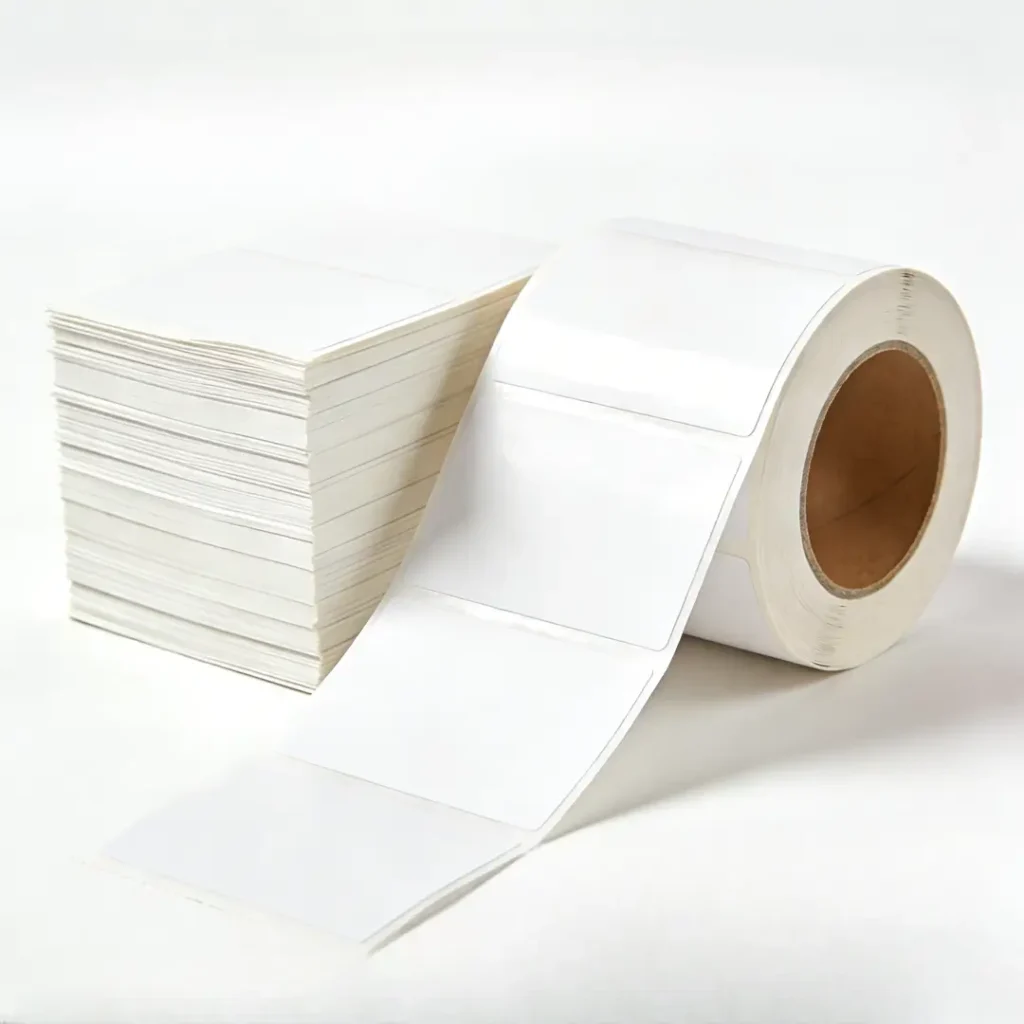
Film labels have become the default choice across a wide range of packaging categories—not because they are fashionable, but because they solve real problems that paper cannot. They resist moisture, conform to curved surfaces, survive cold chain logistics, and carry print quality that holds up from production line to retail shelf. For procurement teams and brand managers sourcing at volume, understanding what separates a well-specified film label from a poorly matched one is the difference between a smooth launch and a costly rework.
This guide is written for buyers who already know they need film labels and want to make better decisions about materials, converting formats, application fit, and supplier qualification. It draws on practical packaging knowledge rather than marketing language, and it reflects the kind of specification work that experienced packaging consultants do before a purchase order is placed.
What Film Labels Means in Practical Packaging Work
The term "film label" covers a broad family of pressure-sensitive and heat-applied labels made from polymer-based substrates rather than paper. In commercial packaging, this typically means BOPP (biaxially oriented polypropylene), PE (polyethylene), PET (polyester), or PVC (polyvinyl chloride) as the facestock, combined with an adhesive layer and a release liner. Each substrate brings a different set of mechanical and chemical properties, and the right choice depends on the container type, the filling environment, the distribution conditions, and the end-use context.
What makes film labels practically useful is their dimensional stability. Unlike paper, film does not absorb moisture and swell at the edges. It does not tear easily during high-speed application. It can be produced in very thin gauges—sometimes below 50 microns—which allows it to conform tightly to squeezable bottles, tapered containers, and embossed surfaces without wrinkling. For categories like personal care, food and beverage, household chemicals, and industrial lubricants, these properties are not optional extras. They are baseline requirements.
Film labels also support a wider range of decorative and functional finishes than paper. Gloss, matte, soft-touch, metallic, and transparent (no-label-look) finishes are all achievable on film substrates. This makes film labels relevant not just for functional packaging but for premium brand presentation where shelf impact and tactile quality matter to the end consumer.
Materials, Converting Options, and Technical Specifications
Choosing the right film substrate starts with understanding the performance envelope of each material type.
- BOPP (Biaxially Oriented Polypropylene): The most widely used film label substrate globally. BOPP offers excellent clarity, good printability across flexo, digital, and offset processes, and strong resistance to moisture and oils. It is cost-effective at volume and available in both white and clear variants. Standard gauge runs from 50 to 80 microns. BOPP is the default choice for food, beverage, personal care, and general consumer goods.
- PET (Polyester): Higher stiffness and better dimensional stability than BOPP, with superior resistance to heat and chemicals. PET is the preferred substrate for labels applied to containers that go through hot-fill processes, autoclave sterilization, or exposure to aggressive solvents. It is more expensive than BOPP and is typically specified where performance requirements justify the cost premium.
- PE (Polyethylene): A softer, more conformable film used primarily on squeezable containers such as tubes, flexible pouches, and HDPE bottles. PE labels stretch with the container rather than cracking or delaminating. They are common in personal care, pharmaceutical, and food applications where the container deforms during use.
- PVC (Polyvinyl Chloride): Historically common in shrink sleeve and stretch sleeve applications. PVC offers good shrink characteristics and printability but faces increasing regulatory and sustainability scrutiny in many markets. Buyers in the EU and parts of Asia should verify compliance requirements before specifying PVC.
- Transparent (Clear) Film: Available across BOPP and PET substrates, clear film labels create a no-label-look effect on glass and clear plastic containers. Print sits directly on the container surface visually, which is a strong brand presentation choice for premium beverages, cosmetics, and specialty foods.
Converting options for film labels include roll-to-roll die-cutting for pressure-sensitive labels, in-mold labeling (IML) for injection-molded containers, and shrink sleeve converting for full-body decoration. Pressure-sensitive film labels remain the most common format for general packaging use because they are compatible with the widest range of labeling equipment and container types.
Key technical specifications buyers should confirm with any supplier include: facestock gauge and material grade, adhesive type and peel strength (typically measured in N/25mm), liner type and thickness, print process compatibility, minimum application temperature, and shelf life of the label roll in storage. These are not negotiable details—they determine whether the label will run reliably on your filling line and perform through your distribution chain.
Main Application Scenarios and Fit-for-Use Considerations
Film labels are used across a wide range of industries, but the specification logic differs significantly by application. Buyers should resist the temptation to treat film labels as a commodity and instead match the specification to the actual use conditions.
In food and beverage, the primary concerns are moisture resistance, adhesion to wet or chilled containers, and compliance with food-contact regulations. Labels applied to chilled beverages or refrigerated food containers need adhesives formulated for low-temperature application—standard permanent adhesives can fail to bond properly below 10°C. Buyers sourcing for this segment should ask suppliers specifically about cold-temperature adhesive performance and request test data rather than general assurances.
In personal care and cosmetics, the emphasis shifts toward print quality, finish options, and resistance to oils, lotions, and water exposure. Squeezable tubes and bottles require conformable substrates like PE or thin BOPP. Premium brands often specify soft-touch lamination or spot UV coatings to differentiate on shelf. These finishing options add cost and lead time, so they need to be factored into the sourcing timeline.
In industrial and chemical packaging, chemical resistance is the primary driver. Labels on containers holding solvents, lubricants, or cleaning agents must resist the product itself—both from potential spillage on the outside of the container and from vapor permeation over time. PET substrates with solvent-resistant adhesives are typically specified here. Buyers should request chemical resistance test data for the specific substances involved rather than relying on generic claims.
In pharmaceutical and healthcare packaging, regulatory compliance adds another layer of complexity. Labels may need to meet specific standards for legibility, durability, and tamper evidence. Serialization and variable data printing requirements are increasingly common. Buyers in this segment should confirm that their film label supplier has relevant quality management certifications and experience with regulated packaging environments.
How Buyers Should Evaluate Suppliers and Quality Risk
Film label procurement carries more technical risk than buyers sometimes anticipate. A label that looks correct on a proof can still fail in production—through poor adhesion, inconsistent die-cutting, color drift across a long run, or liner release problems that jam the labeling machine. Evaluating suppliers rigorously before committing to volume orders is not excessive caution; it is standard practice for experienced packaging buyers.
The first thing to assess is whether the supplier has genuine converting capability or is acting as a trading intermediary. Suppliers with their own converting equipment have direct control over quality and lead times. Intermediaries may offer competitive pricing but introduce an additional layer of risk and reduced transparency. Ask directly about manufacturing location, equipment type, and quality control processes.
Request physical samples before approving any new film label specification. Samples should be tested on your actual containers using your actual labeling equipment under realistic conditions—including any temperature or humidity extremes relevant to your filling environment. A sample that applies cleanly at room temperature on a flat surface may behave differently on a cold, wet bottle running at 400 containers per minute.
Color consistency across production runs is a common pain point with film labels, particularly for brands with tightly controlled brand colors. Ask suppliers about their color management process, whether they use spectrophotometric measurement, and what their tolerance standards are. Request color data from previous production runs if available.
Lead time reliability matters as much as initial quality. Film label production involves raw material procurement, printing, converting, and quality inspection—each step has its own lead time. Understand the supplier's standard lead time, their capacity constraints, and their process for handling urgent orders. A supplier who consistently delivers on time is worth more than one who quotes aggressively but misses dates.
Finally, confirm that the supplier can provide the documentation your business requires: material safety data sheets, food-contact compliance declarations, certificates of conformance, and any regulatory certifications relevant to your market. These are not bureaucratic formalities—they are the paper trail that protects your business if a quality issue arises downstream.
Why XIYONG Is Relevant for This Product Category
XIYONG operates as a manufacturer with direct converting capability in film labels, which means buyers are working with a production source rather than a reseller. This matters for lead time control, quality accountability, and the ability to handle custom specifications without routing requests through an intermediary who may not fully understand the technical requirements.
XIYONG's film label offering covers the core substrate types—BOPP, PET, and PE—across both white and clear variants, with support for standard pressure-sensitive formats used in consumer goods, food and beverage, personal care, and industrial packaging. The production capability supports flexographic printing with consistent color management, and the converting process includes die-cutting to custom shapes and sizes suited to a wide range of container geometries.
For buyers sourcing at volume, XIYONG's position as a direct manufacturer provides a more transparent cost structure than sourcing through trading companies. Custom specifications—including adhesive selection, liner type, and finish options—can be discussed directly with the production team rather than filtered through a sales layer that may not have the technical depth to answer specification questions accurately.
If your packaging program requires film labels that meet specific performance criteria—whether that is cold-temperature adhesion, chemical resistance, conformability on squeezable containers, or premium print finishes—XIYONG is a supplier worth evaluating as part of your sourcing process. Contact the XIYONG team directly to discuss your specification requirements, request samples, and get a production-based quotation for your volume needs.
FAQ
What is the difference between BOPP, PE, and PET film labels? BOPP is the most common general-purpose film label substrate—cost-effective, clear, and moisture-resistant, suitable for most consumer goods applications. PE is a softer, more conformable film used on squeezable containers like tubes and flexible bottles where the substrate needs to stretch without cracking. PET is a stiffer, more heat- and chemical-resistant film specified for demanding applications such as hot-fill containers, autoclave-processed products, or labels exposed to aggressive solvents. The right choice depends on your container type, filling process, and distribution conditions.
Can film labels be used in high-moisture or refrigerated environments? Yes, but the adhesive specification matters as much as the substrate. Standard permanent adhesives are formulated for application at room temperature and may not bond reliably to cold or wet surfaces. For refrigerated or chilled applications, buyers should specify cold-temperature adhesives and confirm performance data with the supplier. The film substrate itself—BOPP or PET—will resist moisture without issue, but adhesive failure is a common cause of label performance problems in cold chain environments.
What minimum order quantities should buyers expect for custom film labels? MOQs for custom film labels vary by supplier and specification complexity. For standard BOPP labels with straightforward print requirements, many manufacturers can accommodate orders starting from a few thousand square meters or a defined number of label rolls. Highly customized specifications—unusual substrates, complex die shapes, specialty adhesives, or premium finishes—typically carry higher MOQs because of setup costs and material minimums. Buyers should discuss MOQ requirements early in the supplier conversation, particularly if they are managing multiple SKUs with different label specifications.
How do film labels perform on curved or irregular container surfaces? Film labels generally outperform paper on curved surfaces because of their flexibility and dimensional stability. Thin BOPP and PE substrates conform well to standard cylindrical bottles and tapered containers. For highly curved surfaces, very small containers, or containers with significant taper, the label geometry and adhesive tack both need to be matched to the application. Buyers should test labels on actual containers before approving a specification, particularly for non-standard container shapes.
What adhesive options are available for film labels, and how do they affect removability? The main adhesive categories for pressure-sensitive film labels are permanent, removable, and repositionable. Permanent adhesives are designed for full-life adhesion and are the default for most packaging applications. Removable adhesives allow the label to be peeled off cleanly without leaving residue, which is useful for promotional labels, price tags, or applications where the container is reused. Repositionable adhesives offer even lower initial tack for applications requiring adjustment after placement. Adhesive selection also affects performance at temperature extremes, on low-energy surfaces like PE containers, and in wet or oily environments—so the choice should be driven by application conditions, not just removability preference.
How should buyers assess print quality and color consistency across large film label runs? Color consistency across a long production run depends on the supplier's color management process, press calibration, and ink formulation. Buyers should ask whether the supplier uses spectrophotometric measurement as a standard quality control step, what their color tolerance standards are (typically expressed as delta E values), and whether they can provide color data from previous comparable runs. For brand-critical colors, it is worth specifying Pantone references and requesting a press proof before approving full production. Reviewing samples from the beginning, middle, and end of a production run is a practical way to assess consistency before accepting delivery.
Related XIYONG resources
- Explore XIYONG packaging products
- Read more packaging guides
- Follow packaging industry news
- Contact XIYONG for packaging support
Labels RFQ And Sample Checklist
Direct buyer answer: Labels buyers should confirm face stock, adhesive type, release liner, roll size, print route, barcode durability, application temperature, and document needs before pricing.
RFQ Specification Checklist
- Face stock: BOPP, PET, thermal paper, coated paper, or another approved label material.
- Adhesive: permanent, removable, freezer-grade, high-tack, or application-specific adhesive.
- Release liner, label size, roll width, core diameter, OD, winding direction, and quantity.
- Print method, colors, barcode size, varnish or lamination, and rub-resistance target.
- Application surface, service temperature, storage condition, and destination country.
- Datasheet, sample roll, COA, RoHS, REACH, food-contact, or other document requests.
Material Decision Table
| Option | Best fit | What to confirm |
|---|---|---|
| BOPP label film | Clear, white, or matte labels that need moisture resistance and stable print appearance. | Film grade, thickness, surface treatment, adhesive system, liner, and print compatibility. |
| PET label film | Durable labels for higher stiffness, dimensional stability, or demanding handling routes. | Thickness, top coating, adhesive, liner, temperature exposure, and barcode readability. |
| Thermal label material | Logistics, retail, warehouse, and variable-data labels where thermal imaging is required. | GSM, thermal sensitivity, top-coat need, adhesive, liner, roll size, and printer model. |
Buyer FAQ
What information should buyers send for label pricing?
Send the face stock, adhesive type, liner, label size, roll width, core diameter, print colors, quantity, application surface, destination country, and required documents.
How should buyers choose between BOPP, PET, and thermal label materials?
Choose by the use case: BOPP suits moisture-resistant visual labels, PET suits durable labels, and thermal material suits variable-data printing. Confirm adhesive, liner, and printer compatibility before sampling.
Can XIYONG PACK provide samples before bulk label orders?
Buyers can request a sample roll or material swatch after sharing the target structure, size, adhesive, liner, and print requirements. The sample route depends on the selected material and conversion details.
Related Product And Factory Pages
- Thermal label material
- BOPP film
- PET film
- Quality control checks
- Compliance documents
- Request factory pricing
Send the target specification, order quantity, destination country, and document requirements. The team can review the structure before sample or bulk order discussion.
Request Technical DatasheetRequest Sample RollGet MOQ & Lead TimeRequest Compliance DocumentsNext sourcing steps
Use the article as a specification checklist, then send product use, size, thickness or gsm, quantity, destination country and required documents for review.