
How to Choose the Right Packaging Label in 2026: Recyclability, Traceability, and Compliance
A practical 2026 guide to choosing packaging labels by substrate, adhesive, application conditions, traceability needs and recycling considerations.
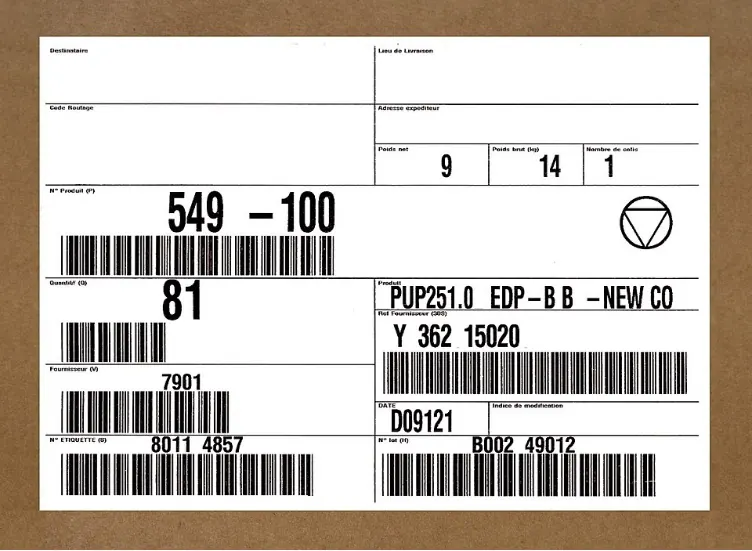

Key Insight: The best label in 2026 is not simply the one that looks attractive on shelf. It also needs to run cleanly on the line, suit the substrate, support the brand story, and avoid creating unnecessary problems in recycling or compliance review.
Introduction
Choosing a packaging label used to be a relatively narrow decision. Many teams would settle the container or carton first, then ask the label supplier to make something that fit the dimensions and matched the artwork. That approach still works for very simple applications, but it is becoming less practical for modern packaging programs. In 2026, the label often carries far more than a logo or product name. It may need to hold regulatory text, variable data, anti-counterfeit features, recycling claims, scannable information, or RFID functionality, all while preserving a clean brand presentation.
The result is that label selection has become a strategic packaging task rather than a finishing detail. A poor choice can create line issues, premature lifting, poor print readability, or avoidable tension with recyclability goals. A good choice can improve the consumer look of the pack, make warehouse handling easier, and support a stronger commercial story. For that reason, companies that buy labels seriously are increasingly asking broader questions at the start of development instead of only checking size, color, and adhesive strength at the end.
What It Is
A packaging label is best understood as a small material system rather than a single piece of printed stock. In most cases, it includes facestock, adhesive, release liner, print surface, and sometimes additional elements such as protective coatings, tamper features, or RFID inlays. Each layer affects how the label behaves in production, in the market, and at end of life.
Paper labels remain a strong option where print quality, cost control, and straightforward application matter most. Film labels are often chosen where durability, moisture resistance, or chemical resistance is more important. Transparent labels are used when brands want a cleaner no-label look on clear bottles or premium containers. Thermal labels are widely used in logistics, retail, and short-life operational labeling. RFID labels add a traceability layer that can support inventory accuracy, authentication, and data capture across the supply chain.
The right choice depends on how the pack will actually be used. A label for a dry folding carton has very different demands from a label for a chilled beverage bottle, a flexible pouch, or a warehouse pallet. This is why good label selection starts with the product environment, not the artwork alone.
Key Specifications
Before selecting a label structure, buyers should review a few practical specifications that tend to determine whether the final result performs well or becomes a recurring issue.
- Substrate fit: The label has to suit the actual surface, whether that surface is paperboard, glass, PET, HDPE, PP, metal, or film.
- Environment: Cold fill, freezer storage, moisture, oils, abrasion, and outdoor exposure all change what material and adhesive are suitable.
- Application method: Automatic high-speed labeling and manual application do not place the same demands on stiffness, release, or dispensing behavior.
- Print and finish requirements: Some jobs need premium decoration, while others prioritize barcode readability, variable data, or resistance to rubbing and chemicals.
- End-of-life expectations: If the packaging is designed around a recycling route, the label should be reviewed as part of that route, not treated as separate.
| Label Type | Best For | Main Strength | What To Check |
|---|---|---|---|
| Paper Labels | Cartons, dry goods, retail packaging | Strong print quality and cost efficiency | Moisture exposure and surface durability |
| Film Labels | Beverage, household, personal care | Water resistance and durability | Adhesive compatibility and recycling fit |
| Transparent Labels | Premium bottles and clear containers | Clean no-label visual effect | Clarity, edge lift, and adhesive appearance |
| RFID Labels | Traceability, logistics, retail visibility | Inventory and tracking capability | Read range, substrate effect, and integration cost |
Adhesive selection deserves special attention. A label can look correct in a sample book and still fail if the adhesive does not match the product surface or storage condition. Permanent, removable, freezer-grade, and specialty constructions each have a place, but they should be matched to the actual use case rather than chosen from habit. In 2026, more buyers are also reviewing whether adhesive choice supports or complicates the recycling path of the pack.
Applications
Different industries ask labels to do different jobs. In food and beverage, labels often need to balance shelf appeal with condensation resistance, cold-chain handling, and readability under fast-moving retail conditions. In cosmetics and personal care, the emphasis may be more visual, with transparent labels and premium finishes helping the product appear cleaner or more upscale. In logistics and warehousing, reliability matters more than decoration, so thermal and RFID labels are often preferred for operational speed and traceability.
E-commerce and omnichannel retail are also changing label expectations. A label may need to support returns processing, stock visibility, or product authentication in a way that was less important in traditional store-first models. For industrial and chemical products, durability, adhesion strength, and legibility under rough handling can outweigh aesthetic considerations. That is why there is no universal best label. There is only the best label for a clearly defined application.
Buying Considerations
Good procurement usually starts with the questions that are easiest to overlook. What is the actual surface energy of the container? Will the pack be filled warm or stored cold? Does the brand care more about a premium clear appearance or about maximizing recycled-content compatibility? Will the label need variable data, tamper evidence, or digital traceability? Can the current labeling line handle a thinner or more technical construction without sacrificing speed?
Another important consideration is timing. Label problems are often discovered late because teams approve structure on paper and only test seriously when production is close. That leaves little room for adjustment. The better approach is to run realistic application trials early, especially if the project involves a new substrate, a premium transparent look, freezer conditions, or RFID features. A label that works in a small mockup does not always behave the same way at full line speed.
It is also worth reviewing claims discipline. Search-friendly content can help a website perform better, but packaging claims need to stay grounded in what the material and structure can genuinely support. Overstated environmental language is becoming riskier in a market where both customers and regulators are paying closer attention to how packaging claims are framed.
Why XIYONG
XIYONG supports label projects with a broader packaging perspective. Instead of treating labels as isolated print items, we look at how the structure works with the pack, the product, and the supply chain. That includes paper labels for straightforward retail use, film and transparent labels for higher-performance applications, and RFID label options for customers who need stronger traceability.
Our team helps buyers compare material structures, clarify application conditions, and narrow down options that fit both appearance goals and operational reality. For customers trying to improve consistency across multiple SKUs, or trying to add smarter tracking without overcomplicating the package, that practical approach is often more useful than jumping straight to the most technical construction on the market.
Related solutions include RFID Labels, Transparent Labels, Thermal Paper Labels, and Coated Paper Labels.
Conclusion
A packaging label is a small component with outsized influence. It affects brand presentation, production efficiency, compliance clarity, and increasingly the end-of-life story of the pack. That is why the smartest label choice in 2026 is rarely the flashiest or the cheapest in isolation. It is the one that fits the real application, supports the commercial goal, and holds up under the conditions the product will actually face.
Companies that make label decisions earlier, test them more honestly, and align them with both packaging performance and recycling expectations are likely to avoid costly revisions later. In a market where packaging is under closer scrutiny, that kind of disciplined label selection is not a luxury. It is part of doing the job properly.
Work with XIYONG
If you need help comparing label materials, application methods, or traceability options for a new packaging project, XIYONG can help you evaluate the structure before it becomes a production problem.
Related Product Pages
If you are evaluating this topic for a live packaging project, these product pages can help you compare structures, materials, and application fit more quickly.
FAQ
How do I choose the right label material for my package?
Match the label to the actual substrate, environment, and application line first. A label that works well on dry cartons may fail on chilled PET bottles, flexible pouches, or chemically exposed containers.
What label features matter most for compliance and traceability?
Readable print, durable adhesion, correct facestock selection, and space for barcodes, variable data, or RFID features are the main priorities. These elements affect both regulatory review and operational scanning accuracy.
How can brands improve recyclability without losing shelf impact?
The practical route is to reduce material conflict between the label and the pack, choose compatible adhesives where possible, and use the smallest structure that still protects print quality, branding, and scanning performance.
Next sourcing steps
Use the article as a specification checklist, then send product use, size, thickness or gsm, quantity, destination country and required documents for review.