
Paper Packaging: The Sustainable Future of Modern Commerce
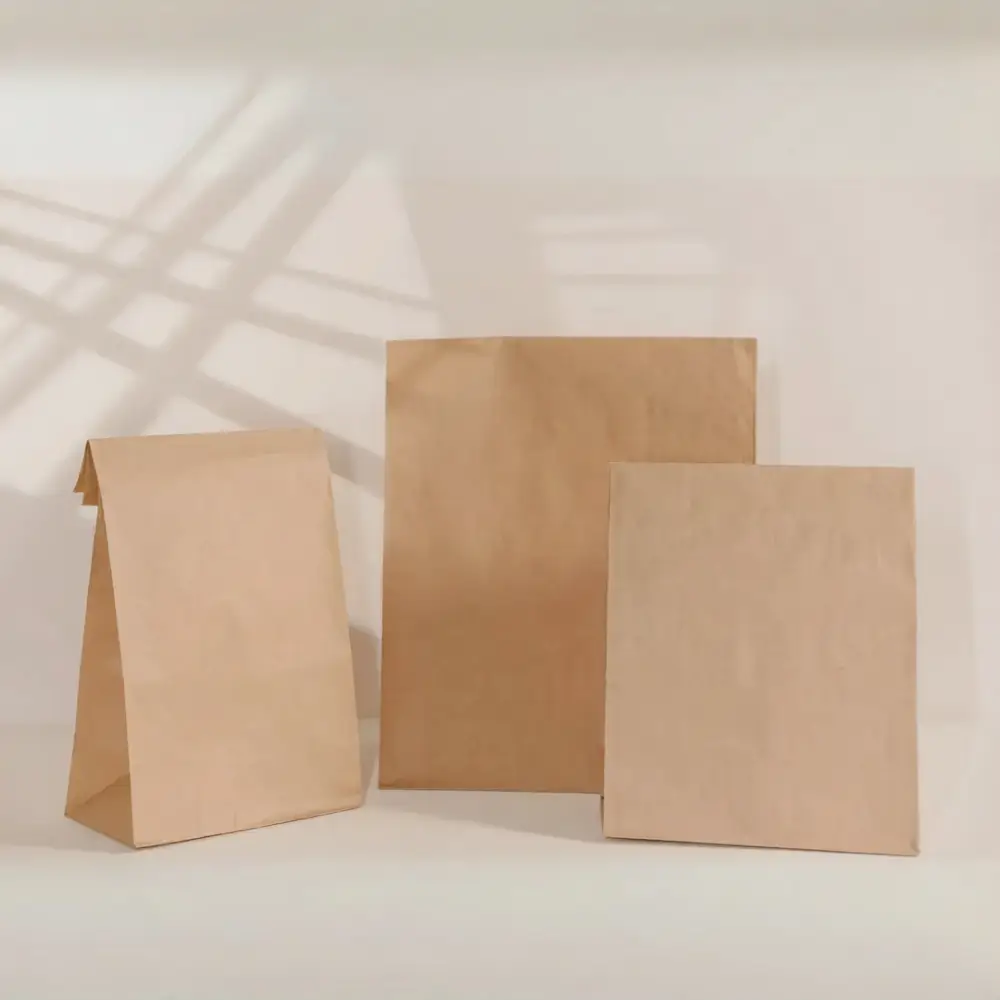
Key Insight: Did you know? Paper packaging can be recycled 5-7 times before fibers become too short, and 68% of paper packaging is currently recycled in the United States, a figure that continues to rise.
Introduction
In an era where environmental consciousness is no longer optional but essential, paper packaging has emerged as a dominant force in the global packaging industry. As consumers demand eco-friendly alternatives and governments implement stricter sustainability regulations, businesses are rapidly transitioning from plastic to paper. This comprehensive guide explores everything you need to know about paper packaging, from its fundamental definitions to advanced specifications, diverse applications, and the unparalleled benefits of partnering with industry leaders like XIYONG. Whether you are a product manager, packaging engineer, or sustainability officer, this resource will provide actionable insights to enhance your packaging strategy.
Paper packaging is not just a trend; it is a strategic shift toward circular economy models that reduce carbon footprints and support sustainable forestry practices.
What It Is
Paper packaging refers to any packaging material derived primarily from paper, paperboard, or cardboard. Unlike plastic or metal packaging, paper packaging is manufactured from renewable resources, primarily wood pulp sourced from sustainably managed forests. This category encompasses a wide range of products including corrugated boxes, folding cartons, paper bags, wrapping paper, and molded pulp trays.
The core characteristics of paper packaging include:
- Renewable Origin: Made from trees, which are a renewable resource when harvested responsibly.
- Biodegradability: Naturally decomposes in the environment, unlike plastic that persists for centuries.
- Recyclability: Can be recycled up to 5-7 times before fibers become too short.
- Customizability: Easily printed, cut, and formed into virtually any shape.
- Protective Properties: Offers cushioning, rigidity, and barrier protection when properly designed.
Historically, paper packaging dates back to ancient China, with the commercial paper bag invented in 1852 and corrugated cardboard patented in 1871. Today, the industry is a multi-billion dollar global sector driven by technological innovations and shifting consumer preferences. Environmentally, paper packaging has a significantly lower carbon footprint compared to plastic, reduces reliance on fossil fuels, and supports sustainable forestry practices.
Key Specifications
Understanding the technical specifications of paper packaging is crucial for choosing the right material for your products. These specifications determine strength, durability, appearance, and functionality.
Paper grades are classified by basis weight, thickness, and composition. Common grades include:
| Grade | Basis Weight (gsm) | Common Uses | Key Properties |
|---|---|---|---|
| Kraft Paper | 70-120 | Bags, wrapping, liners | High tear strength, brown color |
| Folding Boxboard (FBB) | 250-450 | Cosmetics, pharmaceuticals | Smooth surface, good printability |
| Solid Bleached Board (SBB) | 200-400 | Luxury packaging, food | White appearance, high brightness |
| Corrugated Medium | 115-200 | Shipping boxes | Fluted structure for strength |
| Molded Pulp | N/A | Protective packaging, trays | Custom shapes, cushioning |
Strength parameters include burst strength (kPa or psi), Edge Crush Test (ECT), Mullen Test, tensile strength, and tear resistance. Barrier properties are enhanced by coatings such as polyethylene (PE), bio-based PLA, aluminum foil lamination, and clay coating. Standard dimensions follow ISO 3039 for corrugated board and ISO 536 for grammage, with common sheet sizes like 790mm x 1080mm.
Applications
Paper packaging serves diverse industries with tailored solutions. In e-commerce, corrugated boxes provide robust shipping protection. Food and beverage sectors use coated paperboard for moisture resistance in cartons and cups. Cosmetics and luxury goods rely on high-printability folding boxboard for premium presentation. Industrial applications include heavy-duty kraft bags for cement and chemicals. Molded pulp trays protect electronics and fragile items during transit. The versatility of paper packaging extends to retail bags, wrapping paper, and pharmaceutical blister packs, all benefiting from renewable, recyclable materials.
Buying Considerations
When selecting paper packaging, evaluate the following factors: product weight and fragility determine required strength grades and corrugation flute types. Barrier needs dictate coating choices, such as PE for moisture or foil for oxygen. Printability requirements influence surface finish and coating selection. Sustainability goals should align with certified sources like FSC or PEFC. Cost considerations include material grade, volume discounts, and custom tooling for molded pulp. Supplier reliability, lead times, and quality certifications (e.g., ISO 9001) are critical for consistent supply.
Why XIYONG
XIYONG stands as a premier partner in paper packaging, offering unmatched expertise in sustainable solutions. Our vertically integrated operations ensure strict quality control from pulp sourcing to finished packaging. We provide custom design services, rapid prototyping, and scalable production for B2B clients worldwide. With certifications including FSC, ISO 14001, and FDA compliance for food contact, XIYONG delivers packaging that meets the highest environmental and safety standards. Our global logistics network ensures timely delivery, while our R&D team continuously innovates bio-based coatings and lightweight structures to reduce material use without compromising performance.
Conclusion
Paper packaging represents a strategic investment in sustainability and commercial viability. By understanding material specifications, applications, and sourcing considerations, businesses can transition effectively to eco-friendly packaging. Partnering with an experienced manufacturer like XIYONG ensures access to high-quality, customized solutions that meet regulatory demands and consumer expectations. The future of packaging is paper, and the time to act is now.
Contact XIYONG today for a free consultation and sample kit. Our team will help you design the perfect paper packaging solution for your products. Email us at info@xiyong.com or visit our website at www.xiyong.com.
Work with XIYONG
If you need custom packaging or label solutions for this application, XIYONG can help you evaluate materials, structures, print requirements, and supply options with a practical commercial plan.
Related Product Pages
If you are evaluating this topic for a live packaging project, these product pages can help you compare structures, materials, and application fit more quickly.