
Paper Packaging: The Sustainable Choice for Modern Business Packaging
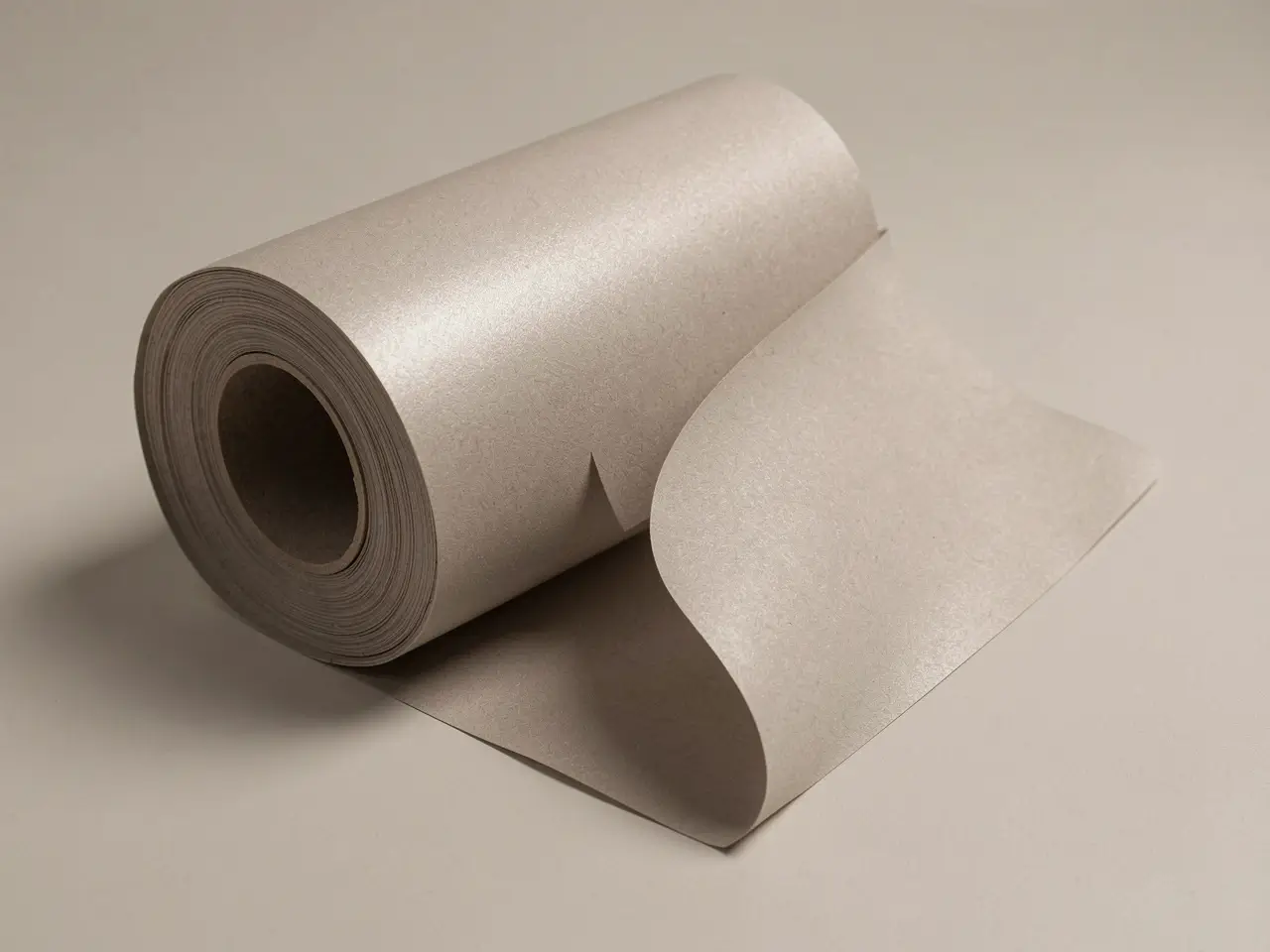
Key Insight: Paper fibers can be recycled up to seven times, and recycling paper uses significantly less energy and water than producing virgin paper.
Introduction
In an era where environmental consciousness is not just a trend but a business imperative, paper packaging has emerged as a leading solution for companies seeking to reduce their ecological footprint without compromising on quality, durability, or brand perception. As the global push for sustainability intensifies, driven by consumer demand and regulatory pressure, paper-based packaging is experiencing a remarkable renaissance. From e-commerce giants to boutique retailers, businesses are turning to this versatile material to create packaging that is as responsible as it is effective. This comprehensive guide explores everything you need to know about paper packaging, from its fundamental characteristics to its diverse applications, and why forward-thinking companies are making the switch.
The shift away from single-use plastics and non-renewable packaging materials is reshaping supply chains across every industry. Paper packaging, with its renewable sourcing, recyclability, and biodegradability, offers a compelling alternative that aligns with circular economy principles. But paper is not just an environmental choice – it is a smart business decision. Modern paper packaging technologies have evolved to offer exceptional strength, printability, and customization options that can enhance product protection and brand storytelling. This article will walk you through the specifications, applications, and considerations that make paper packaging a superior choice for businesses of all sizes.
What It Is
Paper packaging refers to any packaging material primarily made from paper fibers, derived from wood pulp sourced from sustainably managed forests or recycled paper products. This category encompasses a wide range of products, from simple paper bags and boxes to complex, multi-layered structures designed for demanding applications. The fundamental component of paper packaging is cellulose fiber, which provides strength, flexibility, and the ability to be molded into various shapes. Unlike plastic packaging, which relies on fossil fuels and can persist in the environment for centuries, paper packaging is renewable, biodegradable, and can be recycled multiple times.
The paper packaging industry has undergone significant transformation over the past decade. Advances in manufacturing technology have resulted in materials that offer improved barrier properties, enhanced tensile strength, and better moisture resistance. Today’s paper packaging can be engineered to protect everything from dry goods to fresh produce, challenging the notion that paper is only suitable for lightweight products. The development of grease-resistant coatings, water-based barriers, and structural innovations has expanded the possibilities for paper packaging in applications previously dominated by plastics.
It is important to distinguish between different types of paper packaging materials. Corrugated cardboard, for instance, consists of a fluted corrugated medium sandwiched between linerboards, providing exceptional strength and cushioning for shipping and transportation. Paperboard, which is thicker and more rigid than standard paper, is commonly used for folding cartons, cereal boxes, and cosmetic packaging. Kraft paper, known for its high tensile strength and distinctive brown color, is widely used for bags, wrapping, and liner materials. Each type of paper packaging has distinct properties suitable for specific applications, and understanding these differences is crucial for selecting the right material for your product.
The sustainability credentials of paper packaging are well-documented. Paper fibers can be recycled up to seven times before they become too short to form new paper products. Recycling paper requires significantly less energy and water compared to producing virgin paper, and it reduces the demand for raw wood pulp. Furthermore, paper packaging that ends up in landfills decomposes relatively quickly compared to plastics, which can persist for hundreds of years. However, it is worth noting that the environmental impact of paper packaging also depends on responsible forest management practices, energy sources used in manufacturing, and the efficiency of recycling systems. Leading paper packaging manufacturers are increasingly investing in certified sustainable forestry programs and renewable energy to minimize their environmental footprint.
Key Specifications
Understanding the technical specifications of paper packaging is essential for making informed decisions about its suitability for your products. The performance of paper packaging is determined by several key parameters that manufacturers and buyers must consider when selecting materials.
- Basis weight: Measured in grams per square meter (gsm), this indicates the thickness and density of the paper. Higher gsm values generally mean greater strength and durability.
- Burst strength: The resistance of paper to rupture under pressure, critical for packaging that must withstand stacking or rough handling during shipping.
- Edge crush test (ECT): A measure of the compressive strength of corrugated board, directly related to its ability to support vertical loads in stacking.
- Moisture resistance: The ability of paper to resist water absorption, often enhanced with coatings or laminations for products that require protection from humidity.
- Recycled content: The percentage of post-consumer or post-industrial recycled fibers used in the paper, a key sustainability metric for eco-conscious buyers.
| Material Type | Typical Basis Weight (gsm) | Common Applications | Key Strength |
|---|---|---|---|
| Corrugated cardboard | 200-600 | Shipping boxes, e-commerce packaging | High compressive strength |
| Paperboard | 150-400 | Folding cartons, cosmetic boxes | Excellent printability |
| Kraft paper | 70-120 | Bags, wrapping, liners | High tensile strength |
Applications
Paper packaging is used across a broad spectrum of industries, each with specific requirements that paper-based materials can meet. In e-commerce, corrugated cardboard boxes are the standard for shipping a wide variety of products, from electronics to clothing, due to their lightweight yet protective nature. Retail packaging often employs paperboard for folding cartons that combine structural integrity with high-quality printing for branding and product information. Food packaging has seen significant innovation, with grease-resistant paper coatings enabling the use of paper for takeout containers, bakery boxes, and even some fresh produce packaging. Industrial applications include heavy-duty corrugated containers for machinery parts and bulk materials, as well as kraft paper rolls for wrapping and cushioning. The versatility of paper packaging also extends to luxury goods, where textured paperboards and custom finishes create premium unboxing experiences.
Buying Considerations
When selecting paper packaging for your business, several factors should guide your decision. First, assess the physical requirements of your product: weight, fragility, and sensitivity to moisture or grease will determine the necessary material type and specifications. Second, consider your supply chain: shipping distances, storage conditions, and handling methods influence the need for strength and durability. Third, evaluate your sustainability goals: recycled content, recyclability, and certifications such as FSC (Forest Stewardship Council) can align with corporate environmental targets. Fourth, factor in branding and marketing: paper packaging offers excellent printability, so consider how your packaging will communicate your brand identity. Finally, analyze total cost of ownership, including material costs, shipping weight, and potential savings from reduced waste or improved customer perception.
Why XIYONG
XIYONG stands at the forefront of paper packaging innovation, offering a comprehensive range of solutions tailored to modern business needs. Our paper packaging products are manufactured using sustainably sourced fibers and state-of-the-art production processes that ensure consistent quality and performance. We provide customized options for basis weight, coatings, and structural design to meet the exact requirements of your products. With a commitment to reducing environmental impact, XIYONG integrates recycled content and supports closed-loop recycling systems. Our technical team works closely with clients to optimize packaging designs for strength, cost-efficiency, and sustainability. Choose XIYONG for paper packaging that delivers on both performance and environmental responsibility.
Conclusion
Paper packaging represents a strategic choice for businesses that prioritize sustainability without sacrificing functionality. From corrugated cardboard to paperboard and kraft paper, the variety of materials available allows for tailored solutions across industries. By understanding key specifications, applications, and buying considerations, you can select paper packaging that protects your products, enhances your brand, and supports a circular economy. As the packaging industry continues to evolve, paper remains a reliable and innovative option for companies committed to a greener future.
Ready to transition to sustainable paper packaging? Contact XIYONG today to discuss your requirements and discover how our solutions can elevate your packaging strategy.
Work with XIYONG
If you need custom packaging or label solutions for this application, XIYONG can help you evaluate materials, structures, print requirements, and supply options with a practical commercial plan.
Related Product Pages
If you are evaluating this topic for a live packaging project, these product pages can help you compare structures, materials, and application fit more quickly.