Key Insight: Key Insight: The global self-adhesive label market is projected to reach $45.2 billion in 2025, with a CAGR of 5.8% through 2030. Asia-Pacific leads production at 48%, and 60% of brands now require recyclable or compostable labels by 2026.
Introduction
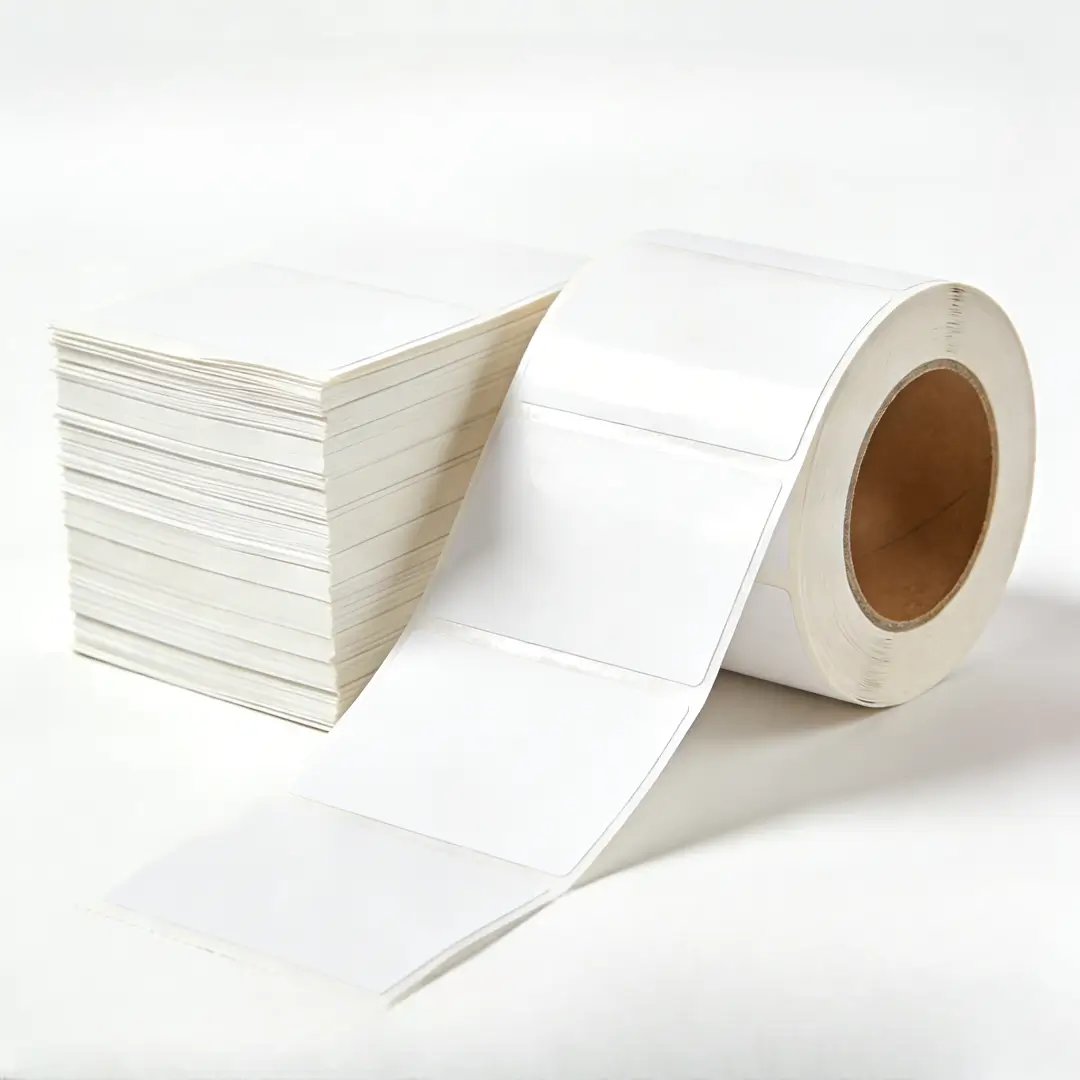
Self-adhesive labels are a critical component in packaging for food, logistics, healthcare, and cosmetics. For procurement professionals, selecting the right label involves understanding material science, adhesive chemistry, regulatory compliance, and sustainability trends. This guide provides a technical overview of self-adhesive labels, including market data, material types, key parameters, and a supplier selection checklist to support informed sourcing decisions.
XIYONG, founded in 2010 in Hainan, is a high-tech packaging materials supplier with over 15 years of expertise in printing, coating, and converting technology. We provide labeling materials, paper packaging, flexible packaging, and functional materials to brands worldwide. This guide is designed for procurement professionals evaluating self-adhesive label solutions for food, logistics, healthcare, and cosmetics applications across 70+ countries.
What It Is
A self-adhesive label consists of three integrated layers:
- Face Material (Facestock): The printable surface (paper, PP, PE, PET) that carries the design, text, and variable data (barcodes, QR codes).
- Adhesive Layer: The pressure-sensitive adhesive (acrylic, rubber, silicone) that bonds the label to the substrate upon pressure application.
- Release Liner (Backing): A silicone-coated paper or film that protects the adhesive until application.
XIYONG’s R&D team customizes each layer for specific applications: temperature resistance (-40C to 260C), chemical exposure, surface texture (glass, plastic, metal, fabric), and environmental conditions (humidity, UV, abrasion).
Key Specifications
Critical technical parameters for self-adhesive labels are summarized in the table below. These values guide material selection for different end-use environments.
| Parameter | Paper Label | PP Label | PE Label | PET Label | Test Standard |
|---|---|---|---|---|---|
| Thickness (m) | 60-80 | 40-80 | 50-100 | 25-75 | ISO 4591 |
| Tensile Strength (MPa, MD) | 40-60 | 120-180 | 20-40 | 150-220 | ASTM D882 |
| Elongation at Break (%) | 2-5 | 200-400 | 300-600 | 100-150 | ASTM D882 |
| Service Temperature (C) | -10 to 80 | -20 to 100 | -40 to 80 | -40 to 150 | ISO 11357 |
| Adhesive Peel Strength (N/25mm) | 5-8 | 6-10 | 4-8 | 7-12 | ASTM D3330 |
| Initial Tack (Steel Ball) | 12-16 | 14-20 | 10-14 | 16-22 | ASTM D2979 |
| Printability | Flexo, Offset | Flexo, Digital | Flexo, Screen | Flexo, Digital, Hot Foil | Internal QC |
Applications
Self-adhesive labels serve diverse industries with specific performance requirements:
- Food and Beverage: High-barrier, FDA-compliant labels for bottles, jars, and pouches. 55% of total consumption.
- Logistics and E-commerce: Durable shipping labels with barcode readability, +12% YoY growth.
- Healthcare and Pharmaceuticals: Anti-counterfeiting features, tamper-evident VOID labels, and low-temperature adhesives for cold chain.
- Cosmetics and Personal Care: Water-resistant PP labels for squeeze tubes and curved surfaces.
- Electronics and Automotive: High-temperature PET labels for PCB tracking and under-hood components.
Buying Considerations
When selecting a self-adhesive label supplier, evaluate these factors:
- Material Compatibility: Ensure the face material and adhesive match your substrate (glass, plastic, metal, fabric) and environmental conditions (humidity, UV, temperature).
- Regulatory Compliance: Verify certifications for food contact (FDA, EU 10/2011), medical (ISO 10993), or industrial (REACH, RoHS) applications.
- Printing Requirements: Confirm compatibility with your printing method (flexo, digital, offset, hot foil) and variable data needs (barcodes, QR codes).
- Sustainability Goals: Ask about recyclable or compostable label options, as 60% of brands now require them by 2026.
- Supply Chain Reliability: Assess lead times, minimum order quantities, and global distribution capabilities.
Why XIYONG
XIYONG combines over 15 years of technical expertise with a global footprint serving 5,000+ brand customers. Our R&D team customizes each label layer for specific applications, from -40C cold chain to 260C high-temperature environments. With 30% of orders from Europe and North America requiring strict regulatory compliance (FDA, EU 10/2011), we ensure your labels meet the highest standards. Our precision coating technology and in-house testing lab deliver consistent quality across paper, PP, PE, and PET materials.
Conclusion
Self-adhesive labels are a technical investment that impacts product safety, brand perception, and supply chain efficiency. By understanding material types, key parameters, and regulatory requirements, procurement professionals can make informed decisions. XIYONG’s comprehensive portfolio and technical support help you navigate these choices with confidence.
Contact XIYONG today for a free consultation and sample kit tailored to your application.
Work with XIYONG
If you need custom packaging or label solutions for this application, XIYONG can help you evaluate materials, structures, print requirements, and supply options with a practical commercial plan.
Related Product Pages
If you are evaluating this topic for a live packaging project, these product pages can help you compare structures, materials, and application fit more quickly.