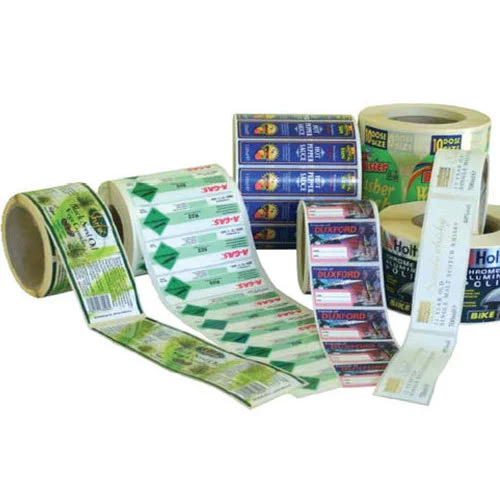
Image source: https://5.imimg.com/data5/RN/TF/MY-5405924/printed-self-adhesive-label-500×500.jpg.
Introduction
Self-adhesive labels are the practical choice when buyers need fast application, clean branding, barcode readability, and reliable adhesion across bottles, jars, cartons, pouches, and shipping packs. For most procurement teams, the key question is not whether to use self-adhesive labels, but which material, adhesive, and finish will perform on the actual substrate under transport, storage, and retail conditions.
XIYONG Packaging Co., Ltd. supplies self-adhesive labels as part of its broader packaging portfolio for global B2B buyers. The commercial value is straightforward: labels must match product surface, environmental exposure, print requirements, and dispensing method without creating avoidable waste, application downtime, or readability issues at the point of sale or in the warehouse.
What Is Self-Adhesive Labels?
Self-adhesive labels are pressure-sensitive labels made from a printable facestock, an adhesive layer, and a release liner, designed to bond to packaging surfaces without water, heat, or separate glue during application.
This product line is widely used where converters and brand owners need flexibility across SKUs, shorter changeovers, and strong visual consistency. Common constructions include paper labels for cost-efficient consumer goods and film labels such as PP or PE for moisture resistance, squeeze containers, or applications requiring better durability.
Key Specifications for Self-Adhesive Labels
For self-adhesive labels, buyers typically compare construction, print method, adhesion performance, and finishing details before approving a production run.
- Facestock options: coated paper, uncoated paper, polypropylene (PP), polyethylene (PE), and other film structures selected for print quality, moisture exposure, conformability, and appearance.
- Adhesive choices: permanent, removable, freezer-grade, and application-specific pressure-sensitive systems depending on carton, glass, PET, HDPE, metal, or flexible packaging surfaces.
- Finishing options: gloss or matte varnish, lamination, spot effects, and die-cut shapes to support branding, abrasion resistance, and handling performance in transport or retail.
- Print and conversion factors: color consistency, barcode and QR readability, liner compatibility, roll direction, core size, and label dimensions for manual or automatic dispensing.
Applications
Self-adhesive labels are used across primary, secondary, and logistics packaging because they support variable product information without changing the full pack structure. This is especially useful for multi-SKU product lines, export packaging, private label programs, and seasonal updates where speed and flexibility matter.
In commercial terms, the application determines the specification. A label for a dry carton may prioritize cost and print clarity, while a label for a chilled beverage bottle or personal care container may need stronger moisture resistance, scuff protection, and stable adhesion on curved or squeezable surfaces.
- Food, beverage, and condiment packaging for bottles, jars, sleeves, cartons, and promotional packs.
- Personal care, household, and health-related products where branding, ingredient display, and surface durability are important.
- Logistics, warehousing, and industrial packaging for barcodes, shipping identification, batch coding, and inventory control.
Buying Considerations
The main buying mistake with self-adhesive labels is choosing by appearance alone. Buyers should specify the container material, surface energy, storage temperature, filling environment, and whether labels will be applied by hand or machine, because these factors affect adhesion, dispensing speed, and long-term legibility.
Order planning should also consider artwork versioning, minimum practical run size, and how many SKUs share the same base construction. Procurement teams often reduce complexity by standardizing one label material across several products, but that only works when the performance requirements are genuinely similar.
- Match the adhesive to the substrate and environment, especially for chilled, oily, textured, recycled, or low-surface-energy containers.
- Confirm print durability needs early, including rub resistance, moisture exposure, and the readability of regulatory text, barcodes, and QR codes.
- Check roll specifications for application equipment, including unwind direction, core diameter, outer roll diameter, and label gap tolerances.
Why XIYONG
XIYONG Packaging Co., Ltd. offers self-adhesive labels within a packaging manufacturing business that also covers flexible packaging films, pouches, and paper packaging. For B2B buyers, that matters because label decisions often connect to the wider pack system, including container decoration, secondary packaging, and logistics handling.
A practical supplier discussion with XIYONG Packaging Co., Ltd. should focus on end use, substrate, artwork complexity, and application method rather than generic claims. That approach helps buyers compare materials and finishing options more effectively and align the label structure with actual commercial use.
- Product focus rooted in real packaging categories used by global B2B buyers.
- Ability to discuss self-adhesive labels in the context of broader packaging system requirements.
- Support for material, format, and application discussions tied to practical ordering needs.
Conclusion
For buyers sourcing self-adhesive labels, the best results come from specifying the full use case: surface, environment, print requirements, and application method. XIYONG Packaging Co., Ltd. serves B2B customers who need self-adhesive labels that work not only on a sample sheet, but across production, transport, storage, and final sale.
Related Product Pages
If you are planning a live packaging project, these product pages can help you compare structures, materials, and application fit more quickly.
FAQ
What material is best for self-adhesive labels?
The best material for self-adhesive labels depends on the product and environment. Paper works well for dry applications and cost-sensitive retail packs, while PP or PE film is usually better for moisture, squeezing, refrigeration, or higher durability needs. Buyers should select material based on actual substrate and handling conditions.
How do I choose the right adhesive for my label application?
Choose the adhesive based on surface type and exposure conditions first. Glass, PET, HDPE, corrugated board, and flexible packaging can require different tack and bond characteristics, especially in cold-chain, oily, or textured conditions. A permanent adhesive is common, but removable or specialty grades may be more suitable for some uses.
What information should I send a supplier when requesting self-adhesive labels?
Send the container material, label size, artwork, application method, and storage conditions at minimum. Buyers should also share whether labels are applied manually or automatically, required finish, barcode content, expected temperatures, and target order quantity. This helps the supplier recommend a workable facestock, adhesive, liner, and roll specification.