
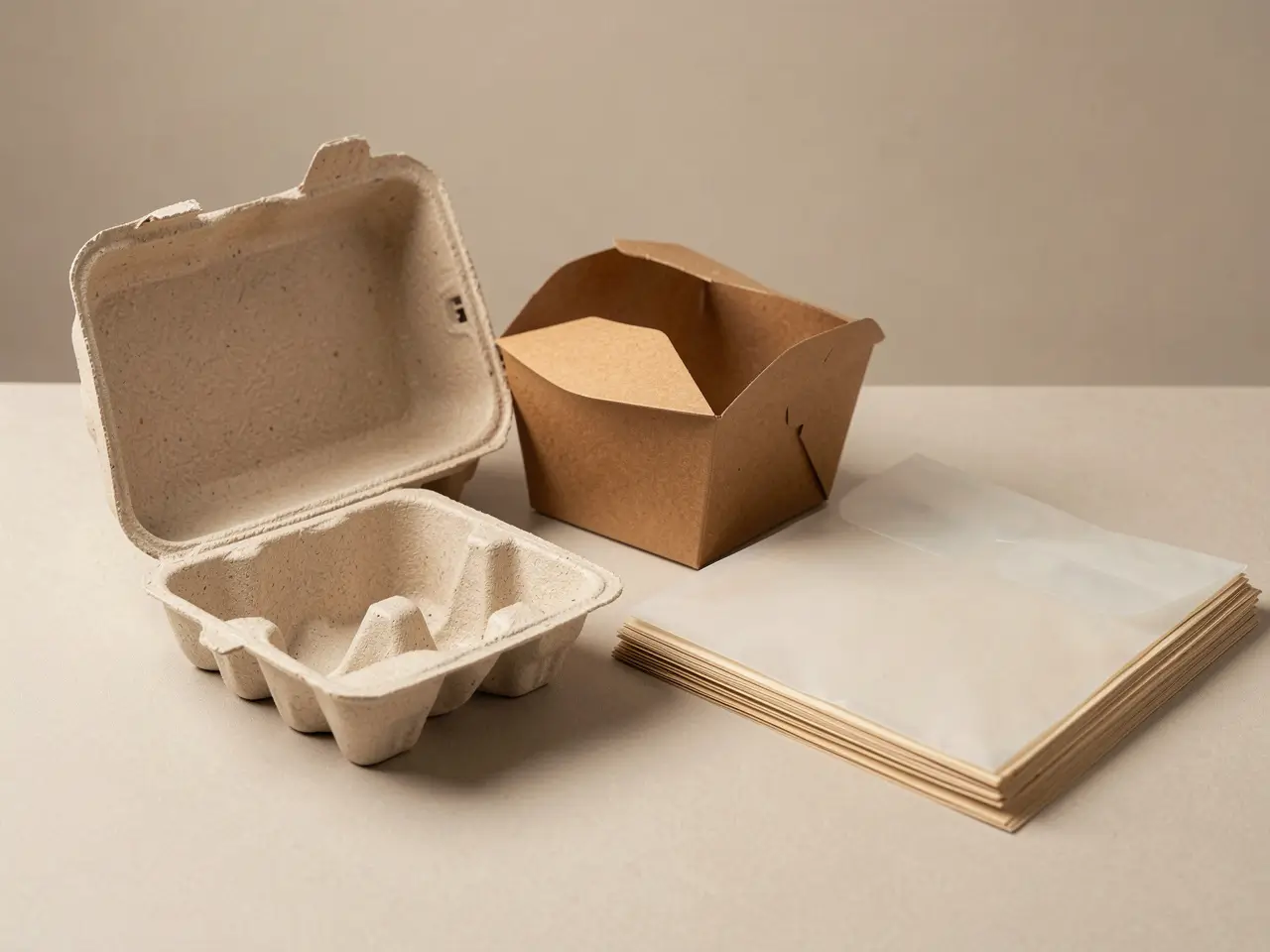
Key Development: Digital printing and bio-based adhesives are driving a 12% CAGR in digital label printing and a 40% reduction in carbon footprint for sustainable packaging.
Overview
The 38th China International Plastic and Rubber Industry Exhibition (CHINAPLAS 2026), held in Shanghai from April 15-18, 2026, concluded with a strong focus on sustainable packaging materials and digital transformation. The event highlighted key innovations from industry leaders including HP Inc., tesa SE, and Avery Dennison, showcasing advancements in digital printing, bio-based adhesives, and eco-friendly label materials. These developments underscore the packaging industry’s accelerating shift toward sustainability and efficiency, with Asia-Pacific leading demand growth.
Key Insight: Digital label printing is growing at a 12% CAGR, while sustainable materials are expected to account for 35% of new product launches by 2028, driven by innovations like HP Indigo 200K and tesa’s bio-based adhesives.
Key Industry Developments
CHINAPLAS 2026 featured several major product launches that are reshaping the packaging landscape. HP Inc. unveiled the Indigo 200K digital press, a game-changer for label converters. This press offers speeds up to 120 meters per minute for prime labels, with 1200 dpi resolution and Enhanced Image Quality. It supports a wide substrate range including BOPP, PE, PET, and metallized films from 12 to 150 microns. The press uses HP ElectroInk with 100% pigment-based formulation, enabling cost-effective short runs and versioning for beverage and personal care labels.
tesa SE introduced its new acClear and ecoLogo product lines, featuring 60% bio-based raw materials. These adhesives deliver performance equivalent to conventional acrylic adhesives and are designed for clear labels, filmic labels, and high-speed converting. They are ISCC PLUS mass balance certified and reduce carbon footprint by 40% compared to fossil-based adhesives.
Avery Dennison expanded its digital label portfolio with the ADvantage series. The ADvantage Digital Varnish offers scratch-resistant and chemical-resistant topcoat properties. The ADvantage Digital PP is a BOPP facestock optimized for inkjet and electrophotographic printing, while the ADvantage Digital PE targets squeeze tube and flexible packaging applications. These materials focus on food and beverage, household chemicals, and personal care segments.
Market Analysis
The Asia-Pacific label market is projected to grow at a CAGR of 6.2% from 2026 to 2030, with China accounting for 45% of regional demand. Digital label printing is experiencing robust growth at a 12% CAGR, driven by the need for faster turnaround, customization, and reduced waste. Sustainable materials adoption is accelerating, with 35% of new product launches expected to incorporate eco-friendly materials by 2028.
Key trends from CHINAPLAS 2026 include mono-material structures such as all-PE and all-PP laminates for easier recycling, water-based adhesives that reduce VOC emissions and improve worker safety, downgauging to thinner films (12-15 micron BOPP) while maintaining performance, and digital printing that reduces setup waste and enables on-demand production. These trends reflect a broader industry shift toward circular economy principles and regulatory compliance.
Technology and Sustainability Focus
Sustainability was a central theme at CHINAPLAS 2026, with multiple innovations targeting reduced environmental impact. HP’s Indigo 200K digital press reduces setup waste by enabling on-demand production, eliminating the need for plates and minimizing material waste. tesa’s bio-based adhesives with 60% renewable content and 40% lower carbon footprint represent a significant step toward decarbonizing the label industry. Avery Dennison’s ADvantage materials are designed for recyclability and compatibility with digital printing processes, further reducing waste.
Mono-material structures are gaining traction as they simplify recycling streams. Water-based adhesives are replacing solvent-based alternatives, lowering VOC emissions and improving workplace safety. Downgauging allows for thinner films that use less material without compromising performance, contributing to source reduction. Digital printing technologies enable shorter runs and versioning, reducing overproduction and inventory waste.
Outlook
Looking ahead, the packaging industry is expected to continue its rapid evolution toward digitalization and sustainability. Digital printing will become more prevalent as converters seek faster turnaround and greater customization. Bio-based materials will see increased adoption as brands commit to net-zero targets and consumers demand eco-friendly packaging. Performance will remain a priority, with innovations ensuring no compromise on adhesion, clarity, or durability.
For label buyers, these developments mean access to more sustainable and high-performance solutions. The integration of digital printing and bio-based adhesives into mainstream production will lower costs and improve flexibility. Regulatory pressures and consumer preferences will further accelerate the shift, making sustainable packaging a competitive necessity rather than a niche option.
Conclusion
CHINAPLAS 2026 demonstrated that the packaging industry is rapidly evolving toward digitalization, sustainability, and performance. Key innovations from HP, tesa, and Avery Dennison highlight the industry’s commitment to reducing environmental impact while maintaining high-quality output. With Asia-Pacific leading demand growth and digital printing expanding at a 12% CAGR, the future of packaging is clearly digital and sustainable. These trends will be integrated into label material offerings throughout 2026, ensuring access to the latest sustainable and high-performance solutions.
Sources
Related Product Pages
If you are evaluating this topic for a live packaging project, these product pages can help you compare structures, materials, and application fit more quickly.