
PET vs BOPP Packaging: What Buyers Should Know Before Choosing a Structure
A practical comparison of PET and BOPP packaging for buyers who need print quality, barrier performance, and the right material choice for retail or export packaging.
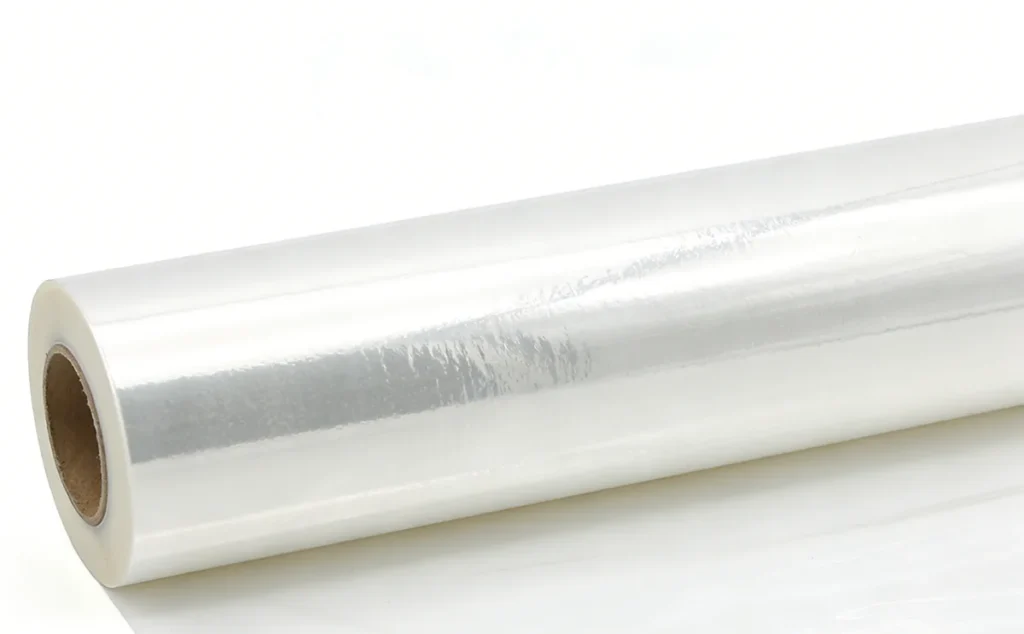
Short answer: PET usually gives stronger stiffness and better heat resistance, while BOPP usually gives strong moisture resistance, good clarity, and excellent printability. The right choice depends on product sensitivity, shelf life, and the finish you want on the shelf.
For B2B buyers, PET and BOPP are not interchangeable just because both are common in flexible packaging. The better structure is the one that fits the product, the filling line, the shelf-life target, and the look the brand wants to present. A coffee pouch, a snack pouch, and a label-facing retail pack may all need different trade-offs.
PET vs BOPP at a glance
| Factor | PET | BOPP |
|---|---|---|
| Stiffness | Higher | Moderate |
| Printability | Very good | Very good |
| Moisture resistance | Good | Very good |
| Heat resistance | Better | Lower than PET |
| Common use | Laminates, barrier packaging, retail packs | Dry food, snacks, labels, overwrap |
Where PET usually wins
PET is often selected when buyers want stronger structure, better dimensional stability, or more robust support in a laminated pouch. It is a solid choice for packaging films that need to perform under converting and filling pressure, especially where the pack must keep its shape on shelf. PET also works well when the brand wants a premium print surface and a more rigid feel.
In practice, PET is frequently used in coffee packaging, barrier laminates, and structures that need a strong outer layer. It is also useful when heat resistance matters more than the lowest possible material cost. If the project is built around shelf impact and dependable structure, PET deserves a close look.
Where BOPP usually wins
BOPP is a strong option when moisture resistance, clarity, and print performance matter. It is widely used in snack packaging, overwrap, labels, and dry-food applications because it can be visually clean and commercially efficient. Buyers often like BOPP because it gives a polished retail appearance without unnecessary weight.
If the product is dry, the shelf life target is manageable, and the pack needs to look sharp in retail, BOPP can be the practical choice. It is also a common discussion point for brands comparing packaging films in a sourcing project because it sits in a useful middle ground between appearance and cost control.
Buyer decision checklist
- Does the product need stronger stiffness or just good print and moisture resistance?
- Is the pack for coffee, snacks, dry food, or a more demanding barrier application?
- Do you need a premium shelf feel or a more cost-controlled retail structure?
- Will the pack be used as a single film or as part of a laminate?
- Does your destination market care more about appearance, cost, or recyclability direction?
Related pages
- Custom Stand Up Pouches
- Recyclable Packaging
- How to Choose a Flexible Packaging Supplier in China
- MOQ for Custom Packaging Explained
- Flexible Packaging Supplier for Germany
FAQ
{render_faq("https://xiyongpack.com/pet-vs-bopp-packaging-what-buyers-should-know-before-choosing-a-structure/", [ ("Is PET better than BOPP for packaging?", "Not always. PET is often better for stiffness and heat resistance, while BOPP is often better for moisture resistance and commercial efficiency."), ("Which material is better for snacks?", "BOPP is often a strong option for dry snacks because it performs well on print and moisture resistance."), ("Which material is better for coffee packaging?", "PET is often used in coffee laminates when the structure needs stronger support and a more premium pack feel."), ("Can PET and BOPP be used together?", "Yes. Many packaging structures use PET and BOPP in different layers depending on the performance target."), ])}Next sourcing steps
Use the article as a specification checklist, then send product use, size, thickness or gsm, quantity, destination country and required documents for review.