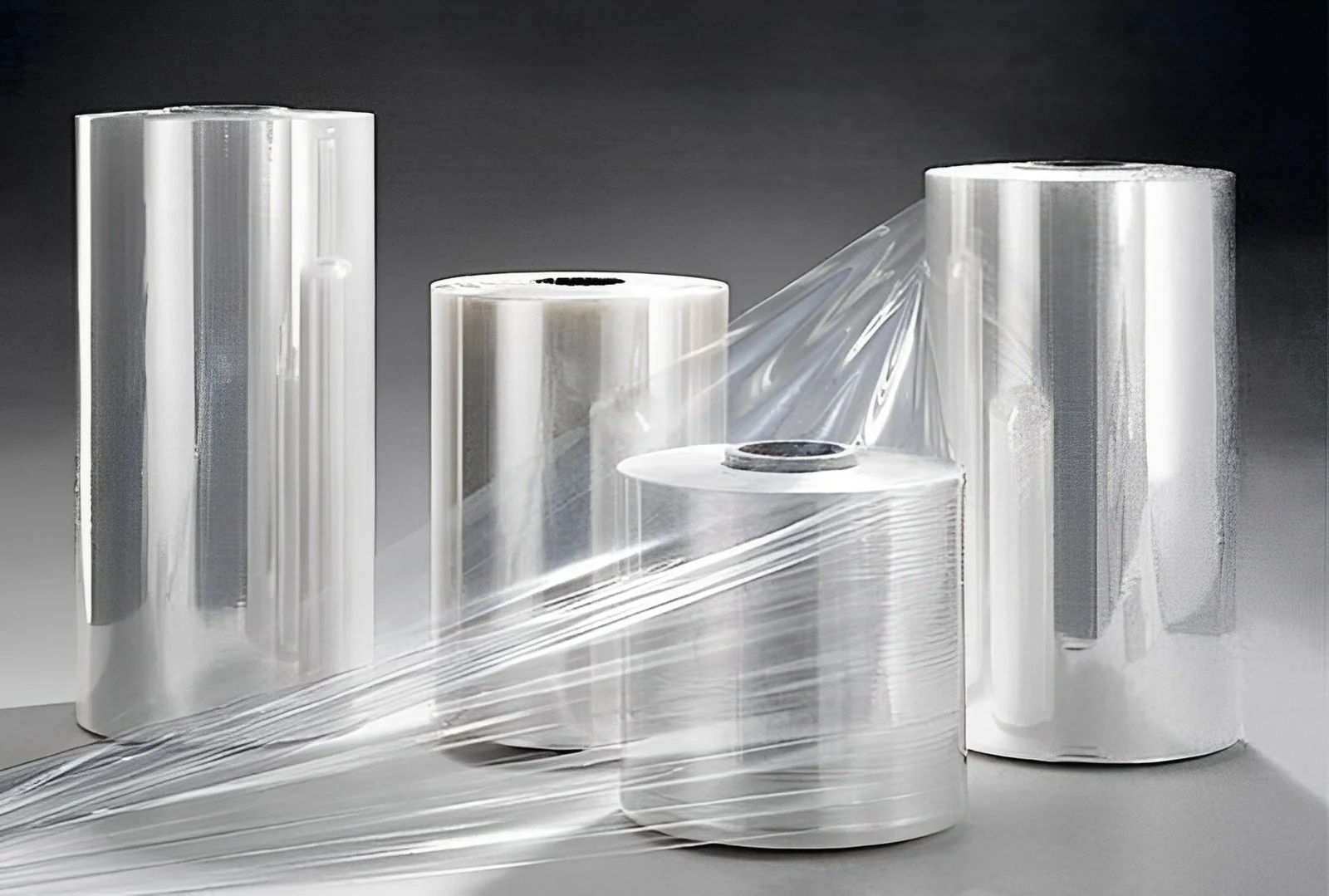
Packaging film material

BOPP Film Supplier For Packaging Converters And Label Manufacturers

BOPP film is selected by converters when a project needs clarity, stiffness, printability, moisture resistance, overwrap performance, label facestock compatibility or lamination support. XIYONG PACK treats BOPP as an industrial roll material: the buying discussion should confirm thickness, width, treatment, surface finish, roll diameter, core size, application and required documents before price comparison.

Buyer Specification Checklist

ThicknessConfirm micron thickness, tolerance expectation and whether the material is for printing, lamination, label face stock, overwrap or bag-making conversion.
Roll widthSend target width and slitting tolerance. Width changes can affect MOQ, trim waste, packing method and quotation logic.
Surface treatmentCorona treatment, print side and lamination side should be confirmed before samples are cut for converting tests.
Surface finishClear, matte, pearlized, white or heat-sealable options should be chosen by application, not only visual preference.
Core and diameterConfirm 3 inch or 6 inch core, outside diameter limit, winding direction and machine unwinding requirement.
DocumentsRequest available TDS, COA, SDS/MSDS or food-contact related documents by exact grade and order scope.

Where BOPP Film Fits In Industrial Packaging

BOPP film is commonly evaluated for dry food packaging, snack packaging, confectionery wrappers, label materials, tape base films, overwrap, stationery, textile packaging and laminated rollstock. The same product name can cover different performance requirements, so buyers should separate visual properties from converting properties.

For clear packaging, buyers usually review haze, gloss, stiffness and print appearance. For lamination, bond behavior, treatment level, heat resistance and dimensional stability become more important. For labels, surface smoothness, print compatibility and adhesive matching affect downstream performance.

How To Choose BOPP Film For A Purchase Order

Start with the end-use and converting process. A film used for reverse printing and lamination may need different treatment and thickness than a film used as a label face stock or overwrap. If the buyer only sends “BOPP film”, the supplier cannot reliably judge the required grade.

The safest specification path is: application, thickness, width, surface finish, treatment side, print or lamination method, core size, roll diameter, packing method, destination market and documents. This allows a technical review before sample dispatch.

Quality Checks Before Bulk Supply

Incoming and pre-shipment review should cover roll appearance, edge quality, telescoping risk, gauge consistency, surface cleanliness, treatment condition, winding tension, carton strength, label information and batch traceability. For printed or laminated structures, sample approval should include machine trial feedback from the converter.

BOPP film should be stored in a clean, dry warehouse away from direct heat and moisture. Buyers should confirm whether local storage, transit time and humidity could affect roll handling or printing consistency.

RFQ Details That Reduce Quotation Delay

Send material grade, thickness, width, roll diameter, core diameter, winding direction, target application, monthly usage, destination market, required documents and testing concerns. If a structure is still under evaluation, describe the product risk first: oxygen sensitivity, moisture pickup, aroma loss, oil resistance, heat sealing window, freezing condition or shelf-life target.

BOPP Film Comparison Notes For Buyers

Buyers often compare BOPP film with PET film, CPP film and PE film during material selection. BOPP usually gives better clarity and stiffness than many sealant films, but it is not normally selected as the main sealing layer unless a heat-sealable grade is specified. PET film is often chosen when dimensional stability, heat resistance or reverse printing performance has higher priority. CPP and PE are often reviewed when sealing behavior is the main concern.

For snack packaging and printed rollstock, a buyer may review BOPP as an outer print web or as part of a laminated structure. The correct choice depends on the filling line, seal temperature, required appearance, shelf-life target and cost target. A lower film price does not always reduce total cost if the roll causes printing, lamination or slitting instability.

Sample Approval And Repeat Order Control

Before a bulk BOPP order, converters should run sample rolls through the actual printing, coating, lamination, labeling or overwrap process. The approval record should include film grade, thickness, width, treatment side, roll direction, core diameter, outside diameter, carton packing and any test comments. This prevents later replenishment from drifting away from the approved material.

For repeat orders, XIYONG PACK recommends keeping a purchase file with the approved specification, sample date, packing method, destination market, required document list and QC concerns. When a buyer changes only width or roll diameter, the material may still need a short converting check because winding tension and slitting behavior can change.

Common BOPP RFQ Mistakes

Common RFQ gaps include missing treatment side, unclear width tolerance, no roll diameter limit, unclear application, and no document scope. Another frequent issue is using the same phrase, such as “clear BOPP film”, for different uses: labels, overwrap, lamination, bags or stationery. The supplier should not guess these conditions because each use can require a different grade or testing path.

A complete BOPP RFQ should include application, film type, thickness, width, surface finish, treatment side, roll diameter, core size, monthly usage, destination market, packing requirement and requested documents. This gives the technical team enough information to recommend a sample route and quotation logic.

Buyer search intent

BOPP Film Buyer Decision Guide

BOPP film buyers tend to search for supplier, manufacturer and packaging-use questions at the same time. This section brings those intents together by clarifying where BOPP fits, what must be confirmed before sampling and which supporting pages answer the next comparison question.

  • Use BOPP for label, overwrap, print-and-laminate or selected packaging structures where clarity and stiffness matter.
  • Before requesting a quote, confirm thickness, treated side, print route, roll width, core and whether the project needs sealable or non-sealable grades.
  • If the project is still comparing structures, move from this page into CPP, barrier or recyclable-film comparison pages instead of requesting a vague quote.

Related pages for the next buying step

Procurement FAQ

Is BOPP film the same as PET film?

No. BOPP is polypropylene-based and is often chosen for clarity, stiffness and moisture resistance. PET film is polyester-based and is often chosen for dimensional stability, heat resistance and lamination support.

Can BOPP film be used for food packaging?

It can be used in food packaging structures when the selected grade, lamination, ink system and document scope match the application. Buyers should request documents by exact material grade.

What should I send for a BOPP film quotation?

Send thickness, width, surface finish, treatment side, core diameter, roll diameter, application, monthly usage, destination market and required documents.

BOPP Film RFQ And Sample Checklist

Direct buyer answer: BOPP film buyers should define grade, thickness, width, surface treatment, sealability, haze, gloss, print or lamination route, and roll packing before requesting samples.

RFQ Specification Checklist

  • Film type: clear, matte, white, metallized, heat-sealable, label film, or lamination film.
  • Thickness, roll width, core diameter, OD, winding direction, and slitting tolerance.
  • Corona treatment, print method, lamination route, haze, gloss, and coefficient of friction target.
  • Heat seal requirement, stiffness target, barrier expectation, and application format.
  • Order quantity, destination port, pallet or carton packing, and storage condition.
  • Datasheet, sample roll, COA, SGS, RoHS, REACH, or food-contact related document requests.

Material Decision Table

OptionBest fitWhat to confirm
Clear BOPP filmGeneral flexible packaging, label face stock, and printed rollstock where clarity matters.Thickness, haze, gloss, corona level, print route, and roll width.
Matte or white BOPP filmPremium label and packaging surfaces that need a different visual finish or opacity.Opacity, finish, surface treatment, ink system, and lamination structure.
Heat-sealable BOPP filmPackaging structures where sealing behavior is part of the material decision.Seal initiation target, sealing window, COF, thickness, and packing-line condition.

Buyer FAQ

What should buyers confirm before ordering BOPP film?

Confirm film type, thickness, roll width, core diameter, surface treatment, haze, gloss, seal requirement, print or lamination route, quantity, and document needs.

Is BOPP film better for labels or flexible packaging?

BOPP can fit both labels and flexible packaging. The decision depends on grade, surface treatment, stiffness, clarity, sealability, adhesive system, and the converting route.

Can XIYONG PACK review a BOPP film structure before sampling?

Buyers can send the target application, film grade, thickness, width, print method, lamination structure, and quantity. The team can review the RFQ details before sample preparation.

Related Product And Factory Pages

Send the target specification, order quantity, destination country, and document requirements. The team can review the structure before sample or bulk order discussion.

Request Technical DatasheetRequest Sample RollGet MOQ & Lead TimeRequest Compliance Documents

Buyer Specification Planning

BOPP film is a practical material choice for labels, print-and-laminate structures and selected food-packaging formats where clarity, stiffness or moisture resistance matter.

Typical sourcing range: the values below are planning references. Final construction, tolerance, availability and documentation are confirmed against the approved sample and purchase specification.

Typical thickness12 to 60 microns
Usable width200 to 1,800 mm
Core inside diameter76 mm or 152 mm
Common roll outer diameter400 to 1,000 mm
Surface optionsClear, matte, white, pearlized, heat-sealable or grade-specific coated film

What to Confirm Before Sampling

  • Label, overwrap, surface-print, reverse-print or laminate use
  • Treated side, target surface energy and downstream ink or adhesive system
  • Required COF, roll direction, splice policy and machine-width limits

Quality, Price and Document Review

Quality review: The order review should cover gauge and width consistency, roll edges, surface treatment, COF where relevant, visual appearance and agreed splice controls.

Quotation factors: Finish, coating or seal layer, gauge, width mix, roll configuration, volume, packing and destination influence the quotation.

Application limit: Standard BOPP alone is not a substitute for a high-barrier structure when the packed product needs defined oxygen, aroma or light protection.

Technical data sheets, certificate-of-analysis formats and product or destination-specific declarations are reviewed against the selected grade and order requirement.

Related Buyer References

Sample and Quotation Request

Send your specification, quantity, destination, and required documents. The team will review MOQ, lead time, sample availability, and quotation details.

More project details
Reply within 1 business day. Samples and documents are reviewed by product grade.