
PET Film & Polyester Film for Industrial Packaging
PET film for lamination, label facestock, barrier packaging and industrial roll materials, built around thickness, surface treatment, roll width, heat stability, document review and export packing.
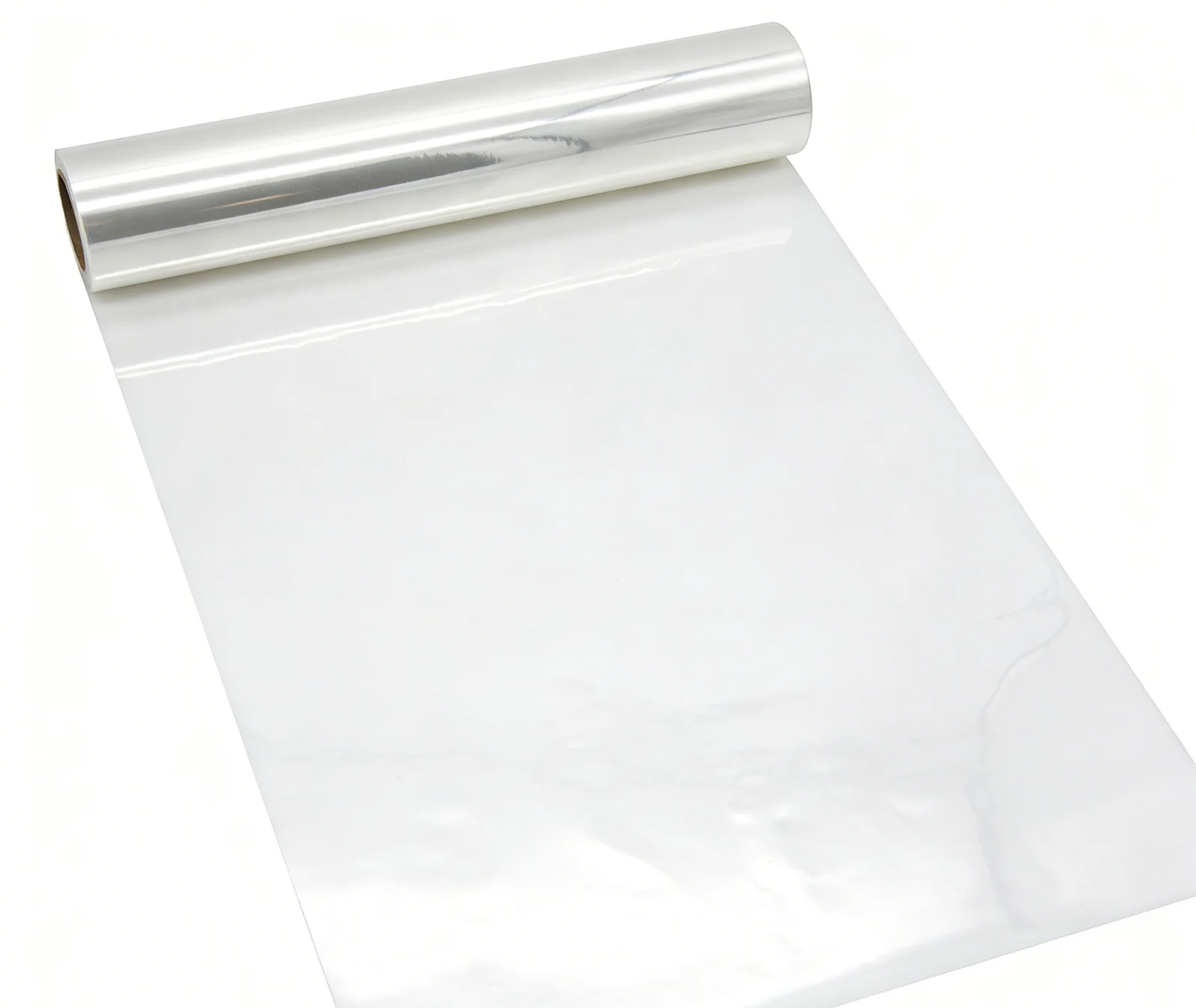
Product Overview
PET film, also called polyester film, is selected when a buyer needs stronger dimensional stability, higher stiffness, heat resistance or a reliable outer web for laminated packaging. XIYONG PACK reviews the application, target thickness, surface treatment, slit width, roll/core size, packing method and document needs before confirming the sample route.
Core Specifications
| Material | Biaxially oriented polyester film in clear, matte, white or metallized grades. |
|---|---|
| Typical thickness | About 8-250 um, with grade and tolerance reviewed by application. |
| Roll width | Custom slit width reviewed against converter machine width, roll weight and pallet plan. |
| Core and roll diameter | Core ID, roll OD, roll length and pallet pattern confirmed before production. |
| Surface options | Corona treatment, coating, matte finish, white grade or metallized surface according to print, lamination or barrier need. |
| Documents | Food-contact, RoHS or customer document packages can be checked by order requirement and public certificate scope. |
| MOQ and lead time | MOQ and timing depend on grade, thickness, slit width, surface, quantity and shipment plan. |
| Applications | Lamination, label facestock, barrier packaging, printed roll stock, industrial insulation and converter supply. |
Application Fit
Lamination web
Use PET when the outer layer needs stiffness, heat resistance, print clarity and stable converting behavior.
Label facestock
Clear, white or matte PET grades can support durable labels, barcode readability and a stable surface.
Barrier packaging
Metallized PET can be reviewed for projects that need stronger light, aroma or moisture barrier.
Industrial rolls
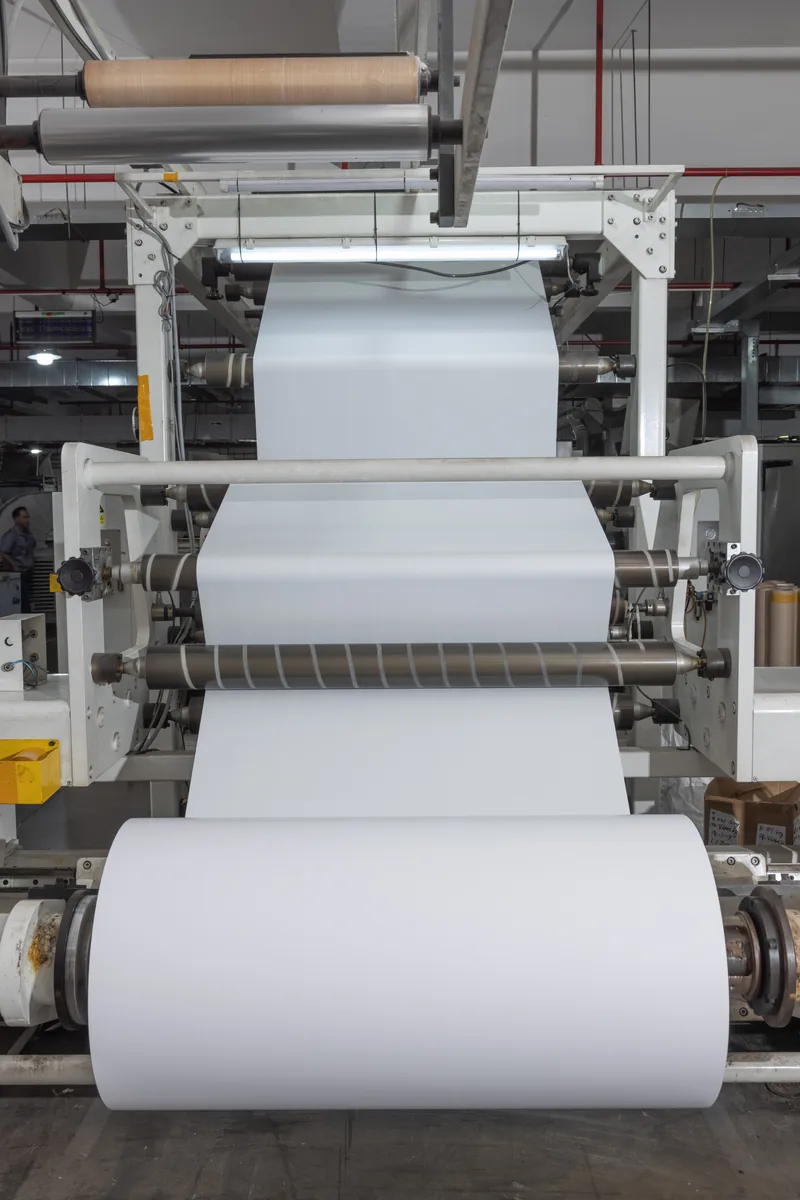
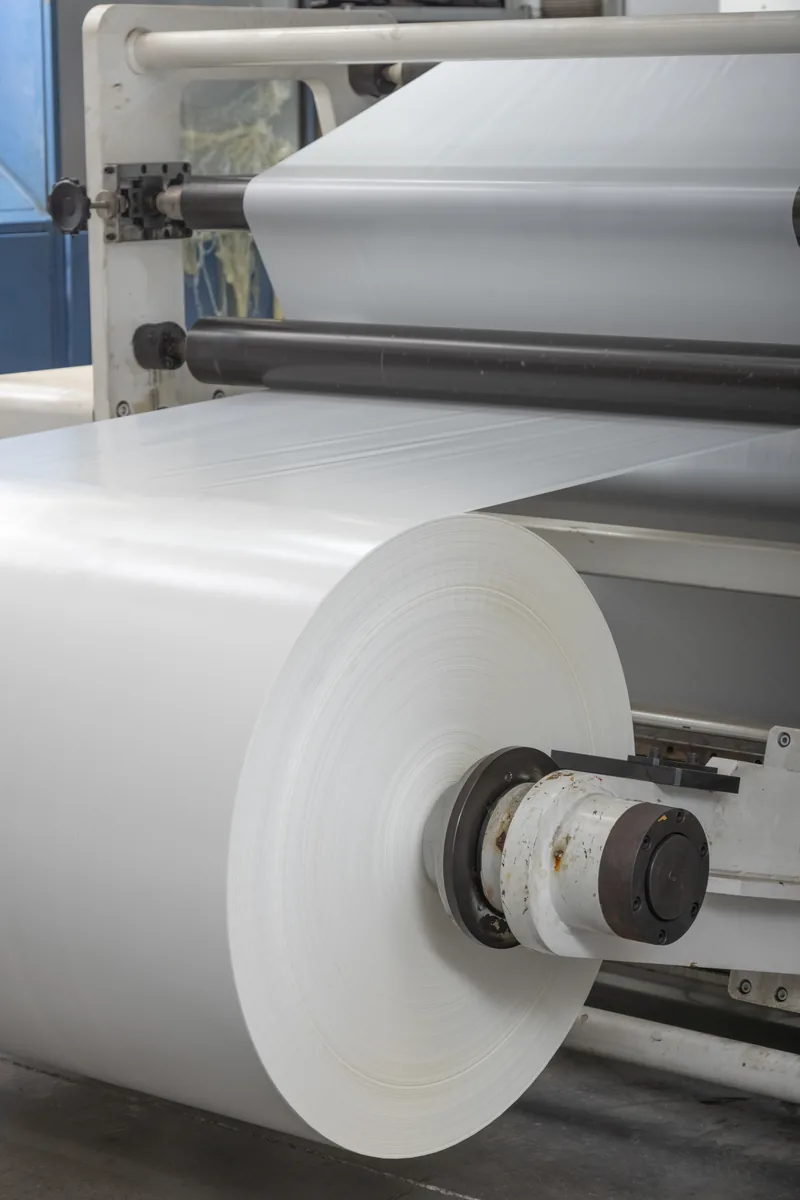
Roll width, core size, winding tension and packing method are checked against the buyer's converting process.
Product Images and Proof Points
Specification Control for Buyers
Surface treatment
Confirm corona value, coating need and print process before ordering, especially for adhesive labels and printed laminates.
Thermal stability
Share sealing, lamination, drying or storage temperature so the team can review heat resistance against the selected grade.
Roll handling
Define roll width, core ID, roll OD, roll weight, pallet size and container loading requirements before bulk production.
Related Products and Resources
FAQ
How should I choose PET film instead of BOPP film?
Choose PET film when the project needs better dimensional stability, higher stiffness, heat resistance or a stronger outer lamination web. Choose BOPP when the priority is lower density, high clarity and cost-efficient overwrap or label applications.
Can XIYONG provide a PET film sample roll?
Yes. Send thickness, width, grade, surface treatment, roll/core size, quantity, destination and document needs so the team can review an appropriate sample route.
What PET film specifications should be included in an RFQ?
Include application, grade, thickness, tolerance, roll width, core ID, roll diameter, surface treatment, print or lamination process, quantity, packing method and destination port.
Can PET film be customized?
Common customization includes thickness, slit width, corona treatment, matte or white grade, metallized surface, roll/core size, packing label and pallet method.
Which documents can be requested?
Food-contact, RoHS or customer document packages can be reviewed by application and order scope. Buyers should list required standards before sample approval.
Request PET Film Sample, Datasheet or Factory Quotation
Send material grade, thickness, width, roll/core size, quantity, destination and document requirements. XIYONG PACK will review sample, MOQ, lead time and datasheet options for the project.
Buyer Specification Planning
PET film is commonly selected as a printable or laminating outer web when a project needs clarity, stiffness and stable handling. The final grade is selected around the intended structure and converting line.
Typical sourcing range: the values below are planning references. Final construction, tolerance, availability and documentation are confirmed against the approved sample and purchase specification.
| Typical thickness | 12 to 250 microns |
|---|---|
| Usable width | 200 to 1,600 mm |
| Core inside diameter | 76 mm or 152 mm |
| Common roll outer diameter | 400 to 1,000 mm |
| Surface options | Plain, treated, matte, white or grade-specific coated film |
What to Confirm Before Sampling
- End use, laminate structure and intended print or coating process
- Thickness, usable width, core, outer diameter and winding direction
- Treated side, surface-energy requirement and sample approval method
Quality, Price and Document Review
Quality review: Typical checks include thickness and width tolerance, treated-side identification, surface condition, roll appearance, splice record and the inspection method agreed for the order.
Quotation factors: Grade, thickness, width mix, roll build, treatment, order quantity, packing and destination are all reviewed before quotation.
Application limit: PET film is not normally used as the only heat-seal layer. A sealing layer or suitable laminate structure must be selected for the packing process.
Technical data sheets, certificate-of-analysis formats and product or destination-specific declarations are reviewed against the selected grade and order requirement.
Related Buyer References
- PET film specification sheet
- PET vs BOPP film comparison
- PET film planning case
- industrial packaging applications
- sample and quotation process
- request a PET film quotation
Sample and Quotation Request
Send your specification, quantity, destination, and required documents. The team will review MOQ, lead time, sample availability, and quotation details.