
Flexible Packaging vs Rigid Packaging: A Practical B2B Buyer Comparison
Compare flexible packaging and rigid packaging by weight, logistics, barrier options, shelf display, sustainability direction, and buyer use cases.
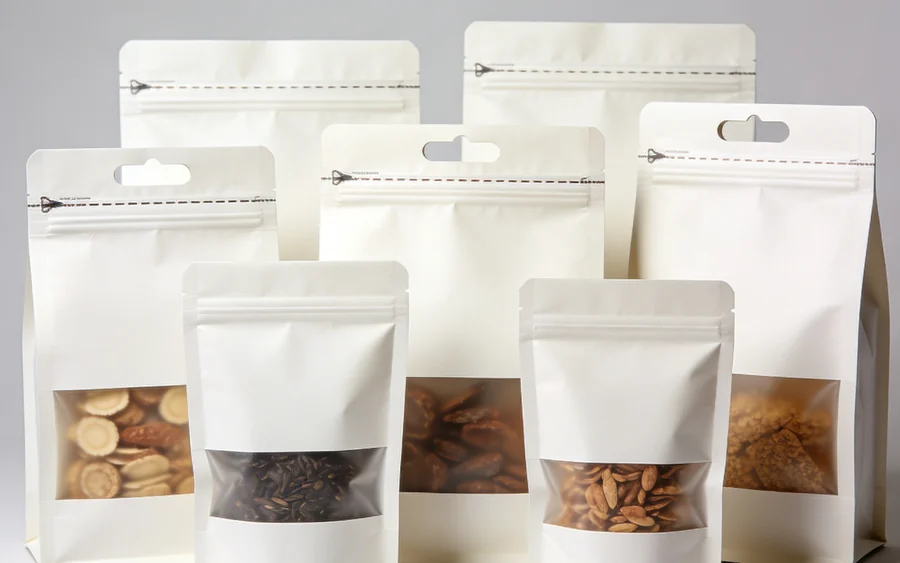
Short answer: Flexible packaging is usually lighter, more space-efficient, and easier to customize for printed retail packs, while rigid packaging often provides stronger shape protection and a familiar premium container feel. Buyers should choose based on product protection, logistics, shelf format, and filling method.
This guide is written for B2B packaging buyers comparing materials, suppliers, and regulatory requirements before ordering custom packaging from China. Use it as a practical briefing before quotation, sampling, and production.
Quick Comparison
| Factor | Option A / Issue | Option B / Buyer action |
|---|---|---|
| Shipping weight | Lower | Higher |
| Storage space | Efficient before filling | Requires more space |
| Shelf shape | Pouch, bag, roll stock, sachet | Bottle, jar, tub, can, tray |
| Barrier options | Highly customizable with laminates | Depends on container and closure |
| Best use | Coffee, snacks, pet treats, frozen food, refills | Liquids needing rigid shape, fragile products, premium containers |
Where flexible packaging wins
Flexible packaging can reduce transport weight, improve print area, and support many product formats with pouches, bags, roll stock, and spout pouches. It is especially useful when buyers need export efficiency and custom printed retail presentation.
Where rigid packaging wins
Rigid packaging can protect shape-sensitive products and may feel premium for certain food, cosmetic, or household categories. It can also be easier for some consumers to handle when the product is heavy or repeatedly used.
How to choose
Compare filling line, product fragility, barrier need, shelf display, shipping cost, and disposal expectations. Many brands use both formats in different SKUs.
Related Resources
- Stand Up Pouches
- Spout Pouches
- Kraft Paper vs Plastic Pouches
- How to Choose a Flexible Packaging Supplier in China
- Flexible Packaging Supplier for UK
FAQ
Is flexible packaging cheaper than rigid packaging?
It can be cheaper in logistics and material use, but final cost depends on structure, printing, MOQ, and filling process.
Is flexible packaging suitable for liquids?
Yes, liquid products can use spout pouches or high-barrier pouches when material and leak testing are validated.
Is rigid packaging more protective?
Rigid packaging often protects shape better, but flexible packaging can provide strong barrier and puncture resistance with the right structure.
Which is better for export?
Flexible packaging often reduces shipping weight and space, making it attractive for export-oriented projects.
Cost, Logistics, and Shelf Impact Comparison
Flexible packaging and rigid packaging solve different commercial problems. Flexible packaging usually wins when buyers need lower weight, lower shipping volume, faster shelf turnover, easy customization, and strong print coverage. Rigid packaging can win when the product needs shape protection, premium reuse perception, stackability, or a container that consumers keep after purchase.
For B2B procurement, the decision should not be based only on unit price. Buyers should compare landed cost, pallet efficiency, damage rate, filling speed, storage space, artwork change cost, and packaging waste. A pouch may cost less per unit and ship more efficiently, while a rigid jar may support a premium brand position or protect a fragile product better.
| Factor | Flexible Packaging | Rigid Packaging |
|---|---|---|
| Shipping efficiency | Usually lighter and more compact before filling | Often bulkier and more expensive to ship empty |
| Print area | Large printable surface for branding and instructions | Often needs label, sleeve, or direct printing |
| Product protection | Good barrier and seal options; less shape protection | Strong shape protection; barrier depends on material and closure |
| MOQ and artwork | Custom printing and lamination can drive MOQ | Molds, labels, closures, and decoration can drive setup cost |
| Sustainability discussion | Less material by weight, but recycling can be complex | Potentially easier to recycle by material, but heavier logistics footprint |
When Flexible Packaging Is the Better Choice
Flexible packaging is often better for coffee, snacks, frozen food, pet treats, supplements, refill packs, dry ingredients, and ecommerce-friendly retail packs. It is especially useful when the buyer needs many SKUs, seasonal artwork, strong shelf graphics, resealability, or lower transport weight. Stand up pouches, flat bottom pouches, rollstock, spout pouches, and zipper pouches are common flexible formats.
The strongest advantage is specification flexibility. Buyers can adjust thickness, barrier layer, finish, zipper, valve, window, gusset, and film structure without building a new rigid mold. This makes flexible packaging useful for brands testing new products or expanding into multiple markets.
When Rigid Packaging Is Still Better
Rigid packaging remains important for products that need physical protection, high compression resistance, precise dosing, hot-fill compatibility, premium shelf shape, or consumer reuse. Glass jars, plastic tubs, bottles, cans, and rigid trays can be the right choice when the container shape is part of the product experience. Rigid packaging can also help when retail display requires strong stacking.
Buyers should not force flexible packaging into an application where the product will be damaged. The better approach is to compare the full supply chain. If the product is fragile, sharp, high pressure, or requires a very stable opening, rigid packaging may reduce risk even if the unit cost is higher.
Decision Matrix for Buyers
- Choose flexible packaging when freight weight, print area, SKU flexibility, and material reduction are high priorities.
- Choose rigid packaging when structural protection, container shape, and reuse perception are high priorities.
- Use a hybrid system when a rigid primary pack needs flexible labels, shrink sleeves, sachets, or refill pouches.
- Ask suppliers to quote the whole packaging system, not only one component.
Specification Questions Before Switching
Before replacing rigid packaging with a flexible pouch, confirm fill weight, drop resistance, shelf life, oxygen barrier, moisture barrier, seal strength, storage temperature, filling method, and consumer opening experience. For liquid products, spout size, cap torque, leakage testing, and pouch stiffness are critical. For dry products, moisture barrier, zipper quality, and shelf stability matter more.
Related pages: stand up pouches, spout pouches, custom packaging, and recyclable packaging.
How to Calculate the True Landed Cost Difference
The true cost difference between flexible packaging and rigid packaging should include packaging unit cost, inbound freight, warehouse space, filling efficiency, damage rate, secondary packing, and disposal or compliance fees. Rigid containers can consume more warehouse space before filling. Flexible films and pouches can ship compactly, but they may need more careful carton protection after filling.
A buyer comparing a pouch with a jar should calculate how many empty units fit per carton and pallet, how many filled units fit per retail or shipping carton, and whether the packaging change affects labor or machine speed. If flexible packaging reduces inbound freight and storage space, the total savings can be larger than the unit price difference suggests.
| Cost Layer | Question to Ask | Why It Changes the Decision |
|---|---|---|
| Inbound freight | How much space do empty packs occupy? | Rigid packaging often ships more air before filling. |
| Filling line | Does the plant have pouch filling or rigid filling equipment? | Equipment mismatch can erase packaging savings. |
| Damage rate | Does the product need crush or shape protection? | Rigid packaging may reduce damage for fragile items. |
| Retail display | Does shelf impact depend on shape, print, or both? | Flexible packaging can print beautifully, while rigid shape may signal premium value. |
Hybrid Packaging Strategies
Many brands do not choose only flexible or rigid packaging. They use a hybrid system. A rigid bottle may use a shrink sleeve, pressure-sensitive label, or flexible refill pouch. A rigid tub may be supported by flexible sachets or sample packs. A brand may launch with rigid packaging for premium presentation and later add flexible refill packs to reduce material and shipping weight.
Hybrid strategies are useful when the consumer wants a durable container but the brand wants repeat purchases in lighter packaging. Refill pouches, spout pouches, and rollstock can support this model. Buyers should make sure the refill format is easy to pour, strong enough for transport, and clearly labeled to avoid consumer confusion.
FAQ for Packaging Format Selection
Is flexible packaging always more sustainable?
No. Flexible packaging often uses less material and ships efficiently, but recycling can be more complex. Rigid packaging may be easier to recycle in some streams but can have a higher transport footprint.
Can flexible packaging replace glass jars?
Sometimes. Dry goods, snacks, coffee, and refill products may move to pouches. Products that need strong shape protection, hot fill, or premium reusable containers may still need glass or rigid plastic.
What should buyers test before switching?
Test filling, sealing, drop resistance, shelf life, consumer opening, carton packing, and retail display. A format switch should be validated across the supply chain, not only on a desk mockup.
Next sourcing steps
Use the article as a specification checklist, then send product use, size, thickness or gsm, quantity, destination country and required documents for review.