
Pet Food Packaging Trends Shift Toward High-Barrier Films, Flexible Pouches, and Stronger Label Impact
Pet food packaging trends in 2026 center on flexible pouches, specialized barrier films, and labels that balance cost, shelf impact, and product information.
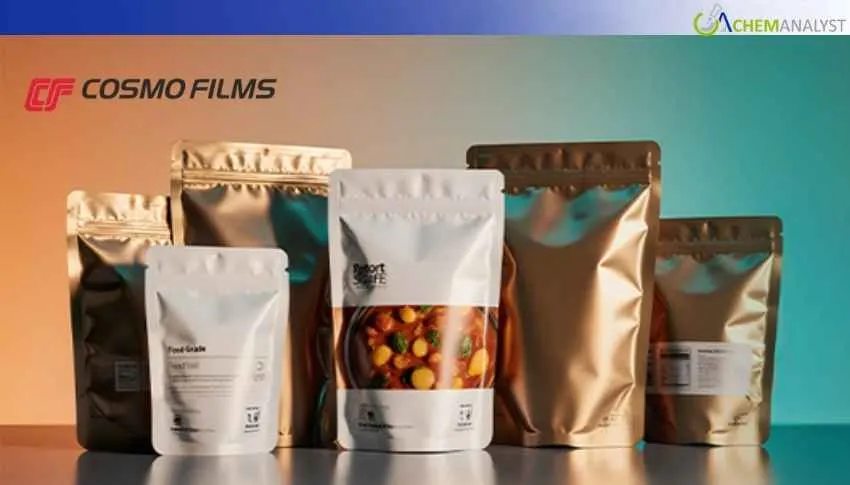
pet food packaging trends: Overview
Pet food packaging trends in 2026 are moving toward fresh-looking, flexible, and functional formats built around pouches, barrier films, and more strategic labeling. For buyers, the practical shift is clear: packaging is being judged less by format alone and more by how structure, print, shelf presence, and convenience features work together.
That direction is reinforced across the source set. PetfoodIndustry points to fresh, flexible, functional pet food formats, while a separate PetfoodIndustry report on labeling says cost pressure remains central but branding opportunities are increasingly shaping decisions. In parallel, Labels & Labeling and ChemAnalyst report that Cosmo Films has launched specialized packaging films designed specifically for pet food applications.
For converters and sourcing teams, this is not a cosmetic change. Pet food sits at the intersection of aroma retention, barrier performance, pack durability, consumer handling, and increasingly crowded shelf competition. That makes it one of the packaging segments where film selection, pouch style, and label design are directly tied to product positioning and supply-chain risk.
Key Industry Developments
The strongest market signal comes from the convergence of flexible packaging and product-positioning needs. PetfoodIndustry’s coverage of pet food packaging trends highlights momentum behind fresh, flexible, functional formats, which indicates that pet brands are prioritizing packaging that can communicate quality while also delivering practical performance. In business terms, flexible structures are gaining attention because they can combine visual appeal with handling convenience and product protection.
Labels are becoming more commercially strategic inside that mix. PetfoodIndustry’s labeling report frames the current conversation around expected costs and unexpected branding opportunities, an important distinction for procurement teams. Label spend is still scrutinized, but the label is also where brands can sharpen differentiation, communicate feeding information, and reinforce freshness or premium cues without changing the whole pack format.
Film development is moving in the same direction. Reports from Labels & Labeling and ChemAnalyst note that Cosmo Films has introduced specialized flexible packaging film solutions for pet food applications. Even without overextending the available details, the significance is clear: material suppliers see enough demand in pet food to develop application-specific film offerings, which usually signals more exacting performance requirements around barrier, machinability, printability, and pack integrity.
Market Analysis
For buyers comparing options, stand-up zipper pouches remain one of the most commercially relevant flexible formats around this trend set. Supporting market coverage from IndexBox links long-term growth in stand-up zipper pouches to e-commerce and sustainability-shaping demand, both highly relevant to pet food. The format speaks to convenience, resealability, and transport efficiency, all of which matter when packs are handled repeatedly after purchase or shipped through parcel networks.
BOPP also remains part of the conversation because the broader film market is being pushed by demand for durable, graphic-intensive packaging, according to another IndexBox item. That matters in pet food because shelf competition is intense and graphics carry a heavy commercial load, especially in dry food, treats, and premium subcategories. For converters, the implication is that material choices are increasingly evaluated through a dual lens: can the structure support both pack performance and high-quality visual presentation at scale?
Technology and Sustainability Focus
The technical lesson from these pet food packaging trends is that no single component should be specified in isolation. A pouch may need barrier performance for freshness, a closure for repeat use, film surfaces suitable for strong graphics, and a label strategy that can handle regulatory copy and SKU variation. When buyers split those decisions too narrowly, they often create downstream trade-offs in filling efficiency, shelf appearance, or total delivered cost.
This is where an integrated supplier conversation becomes more valuable. XIYONG Packaging Co., Ltd. operates across labels, flexible packaging films, pouches, and paper packaging, which aligns closely with how the pet food segment is currently evolving. For B2B sourcing teams, the relevant question is not simply whether a supplier can make a pouch or print a label, but whether it can help align pack format, substrate behavior, branding needs, and commercial constraints in one development cycle.
Outlook
Looking ahead, pet food packaging decisions are likely to become more segmented by product type and channel rather than moving in one uniform direction. Premium and fresh-positioned products will continue to pull demand toward formats that visually signal quality and preserve perceived freshness, while high-volume products will remain sensitive to labeling cost, material efficiency, and supply consistency. That combination favors suppliers that can offer format flexibility without losing production discipline.
The broader takeaway for converters, brand owners, and procurement managers is straightforward. Pet food packaging trends now center on balancing three pressures at once: protective performance, shelf communication, and operational efficiency. Companies that treat films, pouches, and labels as a connected packaging system will be better positioned to answer retailer demands, support brand differentiation, and manage specification changes with fewer surprises.
Conclusion
The most useful reading of pet food packaging trends in 2026 is not that one material or format has won outright, but that flexible packaging has become the category’s main innovation platform. Freshness-oriented structures, stand-up and resealable formats, specialized film development, and more brand-conscious labeling are moving together. For companies evaluating suppliers such as XIYONG Packaging Co., Ltd., the practical priority is to source packaging solutions that connect barrier needs, visual impact, convenience, and cost control from the start.
Sources
- Expected costs, unexpected branding opportunities dominate labeling conversation
- Cosmo Films launches packaging films for pet food
- Pet food packaging trends point to fresh, flexible, functional formats
- BOPP Film Market to 2035: Driven by E-Commerce Demand for Durable, Graphic-Intensive Packaging
- Stand Up Zipper Pouches Market Growth Outlook to 2035: E-Commerce and Sustainability Shape Demand - News and Statistics
Related Product Pages
If the trend is moving toward a new material or format, these product pages help buyers compare practical options without losing sight of performance and recyclability.
Next sourcing steps
Use the article as a specification checklist, then send product use, size, thickness or gsm, quantity, destination country and required documents for review.