
Image source: https://ueeshop.ly200-cdn.com/u_file/UPAX/UPAX674/2305/photo/b474a84c2e.jpg.
Introduction
Film labels are the right choice when your product needs better moisture resistance, scuff resistance, and visual durability than paper labels can usually provide. Buyers typically select film labels for bottles, jars, pouches, tubes, and rigid containers used in food, personal care, household, and industrial markets, especially where condensation, oils, squeezing, or frequent handling can damage standard paper constructions.
XIYONG Packaging Co., Ltd. supplies film labels as part of its broader packaging portfolio for global B2B buyers. For procurement teams, the practical questions are straightforward: which film material fits the pack, what adhesive works on the substrate, how the label will be printed and applied, and what tradeoffs affect cost, appearance, and line efficiency.
What Is Film Labels?
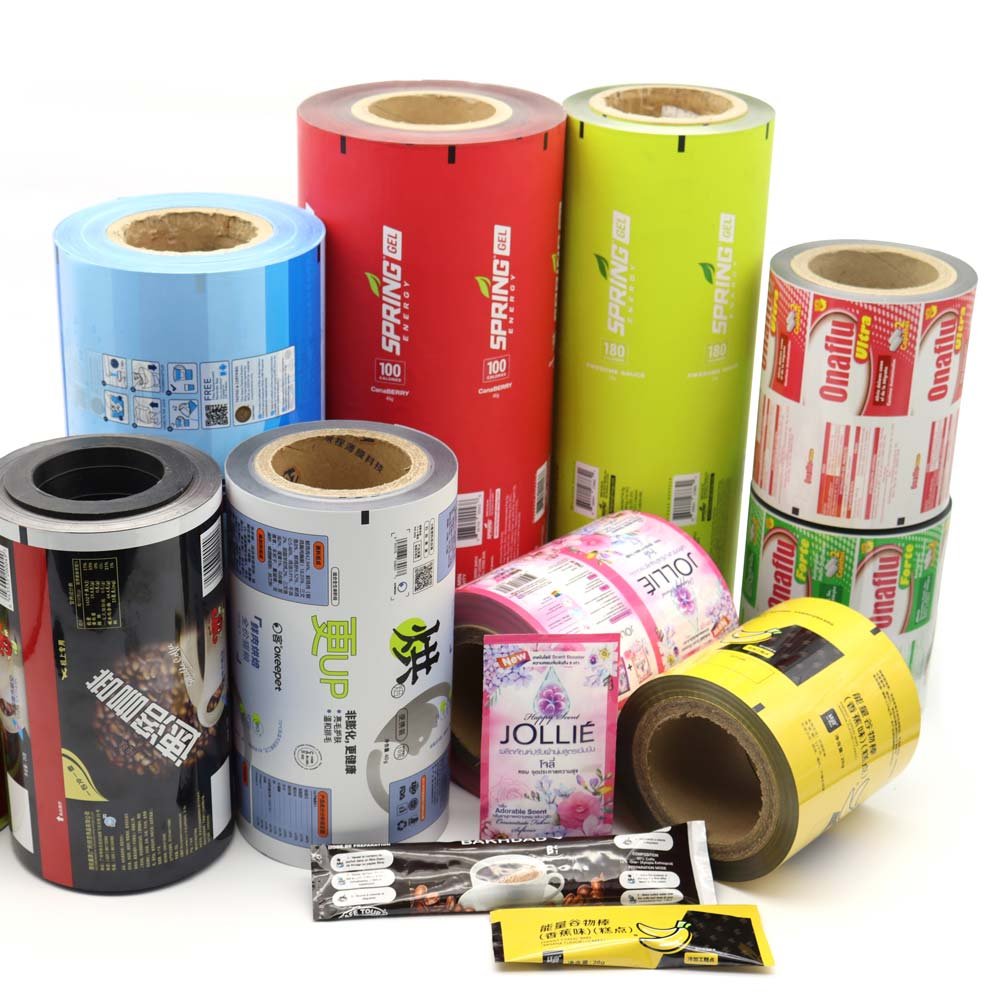
Film labels are pressure-sensitive or roll-form labels made from plastic facestocks such as BOPP, PE, PET, or PVC, used when packaging needs stronger resistance to water, abrasion, chemicals, or flexing than paper labels typically offer.
In commercial packaging, film labels are chosen because they hold graphics well while tolerating more demanding distribution and use conditions. They can be clear, white, metallic, glossy, or matte, and they support a wide range of decorative and functional requirements, from primary branding to variable product information.
Key Specifications for Film Labels
When sourcing film labels, buyers should confirm the full construction rather than only the face material. Performance depends on the combination of facestock, adhesive, liner, print process, and the conditions the package will face after application.
- Common facestocks: BOPP for cost-efficient all-round durability, PE for squeezable containers and conformability, PET for higher stiffness and heat resistance, PVC where specific shrink or specialty properties are required.
- Finish options: clear no-label-look, opaque white, silver or metallic appearance, gloss varnish, matte varnish, spot effects, and transparent windows depending on branding goals and container design.
- Adhesive choices: permanent, removable, freezer-grade, high-tack, or application-specific adhesives selected according to the package substrate, filling environment, storage temperature, and moisture exposure.
- Supply format: typically delivered in rolls for automatic labeling, with specifications such as roll diameter, core size, label pitch, web direction, die-cut shape, and dispensing orientation affecting machine compatibility.
Applications
Film labels are widely used where packaging must stay presentable through production, logistics, and shelf display. Beverage bottles, condiment containers, health and beauty packaging, cleaning product bottles, and flexible packs all commonly use film labels because they resist smudging, water exposure, and abrasion better than many paper options.
They are also commercially useful when brands want a premium visual effect without changing the primary container. Clear film can create a clean label-free appearance on transparent packs, while white or metallic films support stronger color density and shelf impact on opaque or rigid packaging.
- Food and beverage packaging, including bottled drinks, sauces, chilled products, and packaged dry goods where condensation or handling matters.
- Personal care and household products, including shampoo, lotion, detergent, and trigger-spray bottles that face water, oils, and repeated consumer contact.
- Industrial and specialty packaging where resistance to rubbing, chemicals, or warehouse handling is more important than the lower cost of basic paper labels.
Buying Considerations
The main buying mistake with film labels is specifying appearance before application conditions. A label that looks right on a sample can fail in production if the adhesive is not suited to HDPE, PET, glass, corrugated, or flexible film surfaces, or if the pack is filled cold, stored in humid rooms, or exposed to friction in transit.
Procurement teams should also review commercial details early. Order volume, artwork color count, special finishes, variable printing needs, and labeling line speed can all change the most efficient material and print plan. Film labels usually cost more than basic paper labels, so the best value comes from performance fit, not from selecting the cheapest structure.
- Check end-use conditions: refrigerated, frozen, wet-fill, hot-fill, oily contact, squeezable container use, or outdoor exposure can change both material and adhesive requirements.
- Confirm application setup: hand application and automatic labeling have different tolerances for roll configuration, release characteristics, and label stiffness.
- Review regulatory and artwork needs: barcodes, multilingual text, batch coding space, legibility on clear film, and color consistency should be locked before production approval.
Why XIYONG
XIYONG Packaging Co., Ltd. serves buyers who need film labels within a broader packaging sourcing context rather than as an isolated item. That matters for brands managing multiple SKUs across labels, pouches, films, and paper packaging, where consistency of materials discussion and supply coordination can reduce sourcing friction.
For B2B buyers, XIYONG Packaging Co., Ltd. is positioned as a practical manufacturing partner focused on packaging formats used in real commercial distribution. Film label projects typically benefit from clear communication on substrate, environment, print expectations, roll specifications, and delivery format before final production is set.
- Relevant product scope across labels, flexible packaging films, pouches, and paper packaging for buyers consolidating packaging sourcing.
- Factory-oriented support grounded in practical packaging specifications, not only graphic appearance.
- Suitable for export-focused B2B communication where material choice, application method, and order details need to be aligned early.
Conclusion
For buyers comparing film labels, the priority is simple: choose a construction that matches the package surface, filling conditions, distribution environment, and shelf presentation you actually need. XIYONG Packaging Co., Ltd. supports film labels as part of a broader packaging supply offering, helping B2B customers evaluate materials, print formats, and ordering requirements with commercial use in mind.
Related Product Pages
If you are planning a live packaging project, these product pages can help you compare structures, materials, and application fit more quickly.
FAQ
What are film labels best used for?
Film labels are best used for packaging that needs stronger resistance to moisture, scuffing, oils, or repeated handling. They are commonly selected for bottles, jars, tubes, pouches, and rigid containers in food, beverage, personal care, household, and industrial applications where paper labels may wear too quickly.
Which material is most common for film labels?
BOPP is one of the most common materials for film labels because it balances cost, printability, and durability well. PE is often chosen for squeezable containers, while PET is used when higher stiffness, dimensional stability, or heat resistance is required for the label application.
What should buyers confirm before ordering film labels?
Buyers should confirm the facestock, adhesive type, container substrate, storage conditions, and roll specifications before ordering film labels. It is also important to review application method, print finish, barcode readability, label orientation, and any cold-chain or wet-use conditions that could affect performance after application.