
Film Labels for Product Packaging: Materials, Performance, and Buying Guidance for B2B Buyers
Film labels give brands durable, moisture-resistant decoration for bottles, containers, and flexible packs. Compare materials, uses, and buying factors.
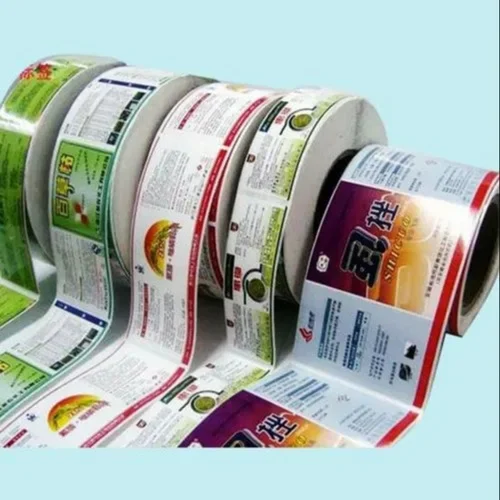
Introduction
Film labels are the right choice when your packaging needs better moisture resistance, scuff performance, squeezability, or longer shelf presentation than paper labels typically provide. For buyers sourcing bottles, jars, personal care packs, household products, or chilled goods, film labels can improve label durability, visual consistency, and machine performance when the face stock, adhesive, and finish are matched to the container and filling environment.
XIYONG Packaging Co., Ltd. supplies film labels as part of its broader packaging portfolio for global B2B buyers. The practical procurement task is to define the container material, application method, surface conditions, storage exposure, and artwork requirements early, because those factors determine whether BOPP, PE, PET, or another film construction will perform reliably in production and distribution.
What Is Film Labels?
Film labels are pressure-sensitive or otherwise converted labels made from polymer face materials such as BOPP, PE, or PET, designed to deliver durable branding and product information on packaged goods exposed to moisture, handling, abrasion, or squeeze conditions.
Compared with paper labels, film labels generally offer better resistance to water, oils, tearing, and scuffing. They are widely used on rigid packaging and some flexible formats where brands want a clean appearance, stronger shelf durability, or no-label-look aesthetics on transparent containers.
Key Specifications for Film Labels
When specifying film labels, buyers should focus on the full construction rather than the top material alone. Commercial performance depends on the interaction between face stock, adhesive, liner, print method, varnish or lamination, and the conditions of application and use.
- Common face materials: BOPP for cost-effective general labeling, PE for squeezable containers and conformability, and PET for higher stiffness, heat resistance, and premium appearance.
- Finish options: white, clear, or metallic films with gloss, matte, varnish, or lamination depending on brand image, abrasion needs, and barcode readability.
- Adhesive selection: permanent, removable, freezer-grade, or specialty adhesive chosen according to container substrate, filling temperature, moisture exposure, and end-use environment.
- Application and converting factors: roll direction, core size, label gap, dispensing speed, die-cut shape, and liner choice all affect line efficiency and waste levels.
Applications
Film labels are commonly selected for beverages, personal care, home care, food containers, health products, and industrial packs where labels may face condensation, refrigeration, oils, repeated handling, or wet environments. Clear film labels are often used when brands want the container itself to remain visible, while white or metallic films support stronger opacity and decorative effects.
For procurement teams, the commercial advantage is often reduced rework and fewer appearance complaints in distribution rather than a simple material upgrade. A film label that remains adhered and legible through filling, transport, retail display, and consumer use can protect both operational efficiency and brand presentation.
- Bottles and jars for beverages, sauces, supplements, cosmetics, and personal care products.
- Household and chemical packaging where moisture, friction, or product contact can challenge paper labels.
- Chilled, refrigerated, or bathroom-stored products that need better resistance to humidity and handling.
Buying Considerations
The main buying mistake with film labels is specifying appearance before performance. A label that looks excellent in a sample book can fail on a textured bottle, a curved squeeze container, or a cold-fill line if the adhesive and film stiffness are not aligned with real production conditions.
Buyers should also evaluate tradeoffs. Film labels usually outperform paper in wet-use durability, but material choice can affect cost, dispensing behavior, recyclability discussions, and decoration options. Clear briefs and line trials are especially important when switching from paper labels or changing container geometry.
- Confirm substrate and environment: glass, PET, HDPE, PP, metal, or other surfaces behave differently under heat, moisture, and pressure.
- Define performance targets: scuff resistance, squeezability, transparency, freezer exposure, chemical contact, and barcode or variable data needs.
- Review commercial details early: order quantity, repeat order consistency, lead time, artwork approval, and line trial requirements all affect total sourcing risk.
Why XIYONG
XIYONG Packaging Co., Ltd. serves B2B buyers across labels and broader packaging formats, which is useful when a sourcing team needs practical coordination between decoration, packaging structure, and application needs. For film labels, that means discussions can stay focused on material fit, print presentation, and production requirements rather than generic sales language.
For international buyers, a capable packaging supplier should help clarify specifications before mass production: label material, adhesive type, finish, dimensions, roll packing, and end-use conditions. XIYONG Packaging Co., Ltd. positions its film labels within a manufacturing portfolio that supports these commercial packaging conversations in a more integrated way.
- Relevant product scope across labels, flexible packaging films, pouches, and paper packaging.
- Practical B2B focus on customized material, print, and application requirements.
- Useful sourcing alignment for buyers managing multiple packaging components or SKUs.
Conclusion
For brands and packaging buyers, film labels are a practical choice when product presentation must hold up under moisture, handling, and real supply-chain use. The best film labels are specified from the application backward: container, environment, adhesive, finish, and line conditions. XIYONG Packaging Co., Ltd. offers film labels within a broader packaging manufacturing portfolio, giving buyers a grounded starting point for evaluating label structures that fit commercial production needs.
Related Product Pages
If you are planning a live packaging project, these product pages can help you compare structures, materials, and application fit more quickly.
FAQ
What are film labels best used for?
Film labels are best used for products that need better moisture resistance, durability, or shelf appearance than paper labels usually provide. They are commonly applied to bottles, jars, personal care containers, household packaging, and chilled products where condensation, squeezing, or repeated handling can damage conventional label constructions.
Which material is commonly used for film labels?
BOPP is one of the most common materials for film labels because it balances cost, printability, and general performance well. PE is often chosen for squeezable containers, while PET is used when higher stiffness, heat resistance, or a more premium visual effect is required.
What should buyers confirm before ordering film labels?
Buyers should confirm the container material, label size, application method, exposure conditions, adhesive requirement, and desired finish before ordering film labels. It is also important to review roll specifications, artwork details, and whether line trials are needed, especially when changing from paper labels or launching a new packaging format.
Related procurement resources
Use these pages to connect material selection, quality checks, compliance evidence and quotation details before confirming a packaging order.
Next sourcing steps
Use the article as a specification checklist, then send product use, size, thickness or gsm, quantity, destination country and required documents for review.