
Self-Adhesive Labels for B2B Packaging: Materials, Print Options, and Buying Considerations
Self-adhesive labels help brands add product identity, compliance data, and shelf appeal across bottles, boxes, pouches, and logistics packs.
Introduction
Self-adhesive labels are the practical choice when buyers need fast, scalable product identification without changing the base package structure. For procurement teams, the main question is usually which label material, adhesive, and finish will perform reliably on the actual pack surface, whether that surface is glass, PET, HDPE, paperboard, corrugated, or flexible film.
XIYONG Packaging Co., Ltd. supplies self-adhesive labels for commercial packaging uses where branding, variable information, barcode readability, and application efficiency all matter. The product line is relevant for food, beverage, personal care, household, industrial, promotional, and logistics labeling programs.
What Is Self-Adhesive Labels?
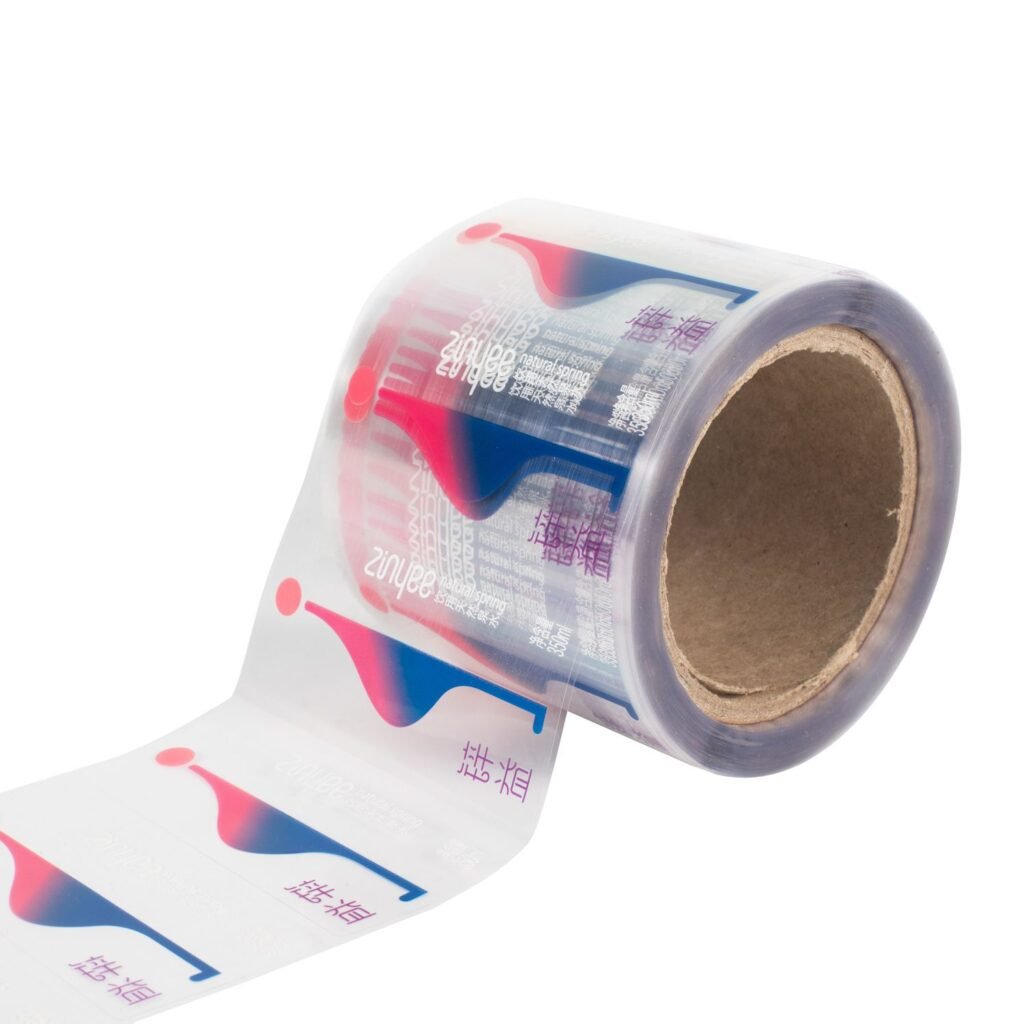
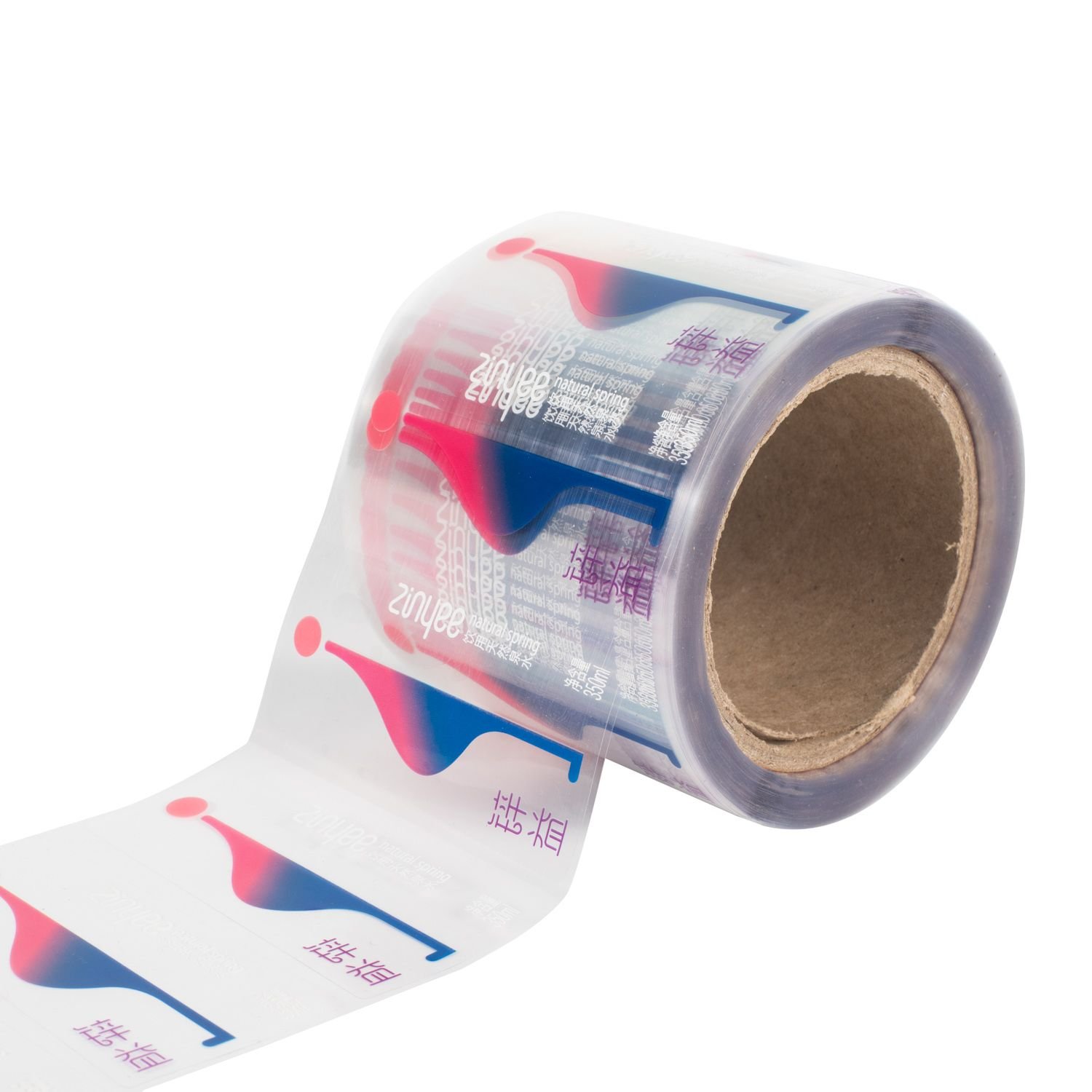
Self-adhesive labels are pressure-sensitive labels made with a printable face material, adhesive layer, and release liner. They are applied without water or heat and are commonly used for branding, instructions, traceability, and shipping identification.
In commercial packaging, self-adhesive labels are selected for speed, flexibility, and compatibility with many pack formats. They can be produced in paper or filmic constructions, supplied in rolls or sheets depending on application method, and finished with varnish, lamination, die-cutting, serial data, or tamper-evident features when required.
Key Specifications for Self-Adhesive Labels
Buyers evaluating self-adhesive labels typically compare construction details that affect print performance, dispensing efficiency, and end-use durability.
- Face materials: paper, coated paper, thermal paper, PP, PE, PET, and other filmic options chosen for printability, moisture resistance, stiffness, or conformability.
- Adhesive systems: permanent, removable, freezer-grade, and application-specific pressure-sensitive adhesives selected according to substrate, temperature exposure, and intended removal behavior.
- Supply format and converting: roll labels for automatic dispensing, sheet labels for manual use, plus die-cut shapes, clear labels, opaque constructions, and custom sizes.
- Print and finish options: flexographic or other commercial print methods, barcode zones, variable information fields, matte or gloss varnish, lamination, and protective finishes for abrasion or moisture exposure.
Applications
Self-adhesive labels are used when the package needs to carry identity, legal text, lot coding, multilingual content, promotional graphics, or shipping data without redesigning the full pack. They are common on rigid containers, cartons, corrugated cases, and selected flexible packaging applications where label application is operationally efficient.
The best-fit application depends on the surface, environment, and handling process. A label for a chilled bottle, for example, should not be specified the same way as a warehouse carton label or a cosmetic label applied to a squeezable PE tube.
- Retail product labeling for bottles, jars, cans, tubs, cartons, and pouches where branding and compliance information must coexist.
- Logistics and warehouse labeling for outer cases, shipping marks, barcodes, inventory control, and traceability workflows.
- Promotional and industrial uses including tamper seals, instruction labels, warning labels, private label programs, and short-run SKU variations.
Buying Considerations
The most common specification mistake is focusing on artwork before confirming the application conditions. Buyers should define the substrate, label size, application line speed, storage temperature, service temperature, moisture exposure, and whether the label must reposition cleanly or stay bonded for the full product life.
Commercially, self-adhesive labels can reduce time to market because they support SKU changes without retooling the entire package. The tradeoff is that a poor adhesive match, weak facestock choice, or unreadable barcode area can create waste, relabeling cost, line stoppage, and retail compliance issues.
- Confirm substrate and environment first: glass, PET, HDPE, corrugated, paperboard, and flexible films do not accept the same adhesive behavior.
- Ask for the right construction, not just the lowest unit price: moisture, oil, abrasion, refrigeration, and squeeze-panel movement can change the suitable material choice.
- Review dispensing method early: manual application, semi-automatic labeling, and high-speed lines require different roll direction, core size, spacing, and release performance.
Why XIYONG
XIYONG Packaging Co., Ltd. operates across labels, flexible packaging films, pouches, and paper packaging, which is commercially useful for buyers managing multiple packaging components. That broader packaging context helps align self-adhesive labels with the actual pack material and end-use environment rather than treating the label as an isolated print item.
For B2B buyers, the value is in clear specification alignment: material selection, adhesive behavior, print requirements, and supply format that fit the packaging process. XIYONG Packaging Co., Ltd. can support self-adhesive labels for varied product categories and order structures, from standard identification labels to more customized packaging label projects.
- Product coverage across labels and other packaging formats, useful for buyers sourcing coordinated packaging components.
- Commercial focus on practical label variables such as material, adhesive, finish, and application format.
- Suitable supplier profile for global B2B packaging buyers seeking self-adhesive labels tied to real packaging use cases.
Conclusion
For most packaging programs, the right self-adhesive labels are defined by use conditions, not just artwork. If buyers match face stock, adhesive, finish, and application format to the pack surface and supply chain, self-adhesive labels can deliver reliable branding, compliance, and operational efficiency. XIYONG Packaging Co., Ltd. offers this product line within a broader packaging manufacturing context that matters to procurement teams.
Related Product Pages
If you are planning a live packaging project, these product pages can help you compare structures, materials, and application fit more quickly.
FAQ
What materials are commonly used for self-adhesive labels?
Common materials for self-adhesive labels include paper, coated paper, PP, PE, PET, and thermal stocks. Paper is often chosen for cost efficiency and print quality, while film materials are preferred when buyers need better moisture resistance, durability, conformability, or cleaner visual presentation on premium packaging.
How do I choose the right adhesive for self-adhesive labels?
The right adhesive depends on the substrate and use environment first. Buyers should check whether the label will be applied to glass, PET, HDPE, corrugated, or flexible film, then confirm storage temperature, service temperature, moisture exposure, and whether the label must be removable, repositionable, or permanently bonded.
Are self-adhesive labels suitable for automatic labeling lines?
Yes, self-adhesive labels are widely used on automatic labeling lines when the roll format is specified correctly. Buyers should confirm roll direction, core size, outer diameter, gap, liner release performance, and application speed early, because these details directly affect line efficiency, misapplication rates, and changeover time.
Related procurement resources
Use these pages to connect material selection, quality checks, compliance evidence and quotation details before confirming a packaging order.
Next sourcing steps
Use the article as a specification checklist, then send product use, size, thickness or gsm, quantity, destination country and required documents for review.