
Packaging Films for B2B Supply: Materials, Converting Options, and Buying Priorities
Packaging films for brands and converters: compare materials, structures, printing options, and sourcing factors for reliable commercial packaging supply.
Introduction
Packaging films are used when a buyer needs printable, sealable, and machine-compatible material for wraps, sachets, pouches, overwraps, or laminates. The right choice depends on product sensitivity, filling line speed, barrier needs, seal range, and logistics conditions. XIYONG Packaging Co., Ltd. supplies packaging films for practical B2B applications where material structure and converting performance matter more than generic claims.
For procurement teams, the main question is not simply film price per kilogram or per square meter. It is whether the film will run consistently on the intended equipment, protect the packed product through storage and transport, and support the brand's print, pack size, and shelf-life targets without unnecessary material cost.
What Is Packaging Films?
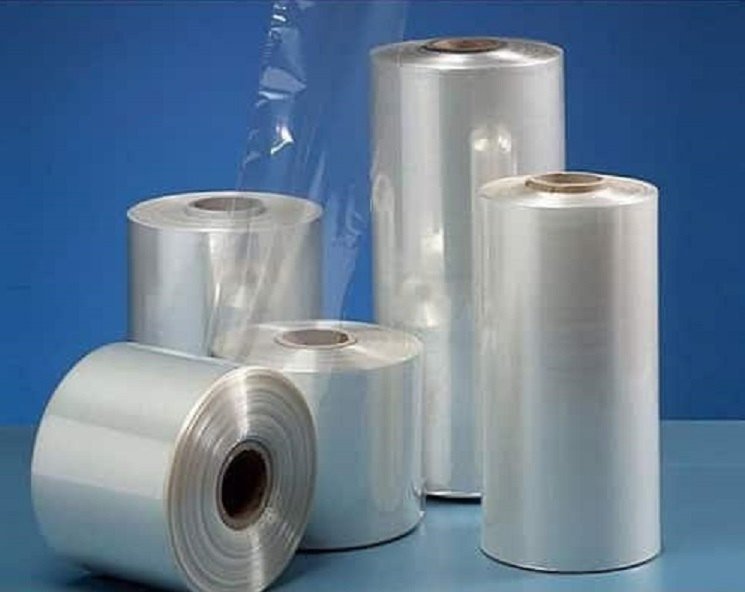
Packaging films are flexible plastic film materials used to wrap, protect, print, laminate, or convert into finished packaging such as pouches, sachets, rollstock, and overwraps. Common substrates include BOPP, PET, PE, CPP, and multi-layer barrier structures.
In commercial packaging, films are selected for a combination of functions: appearance, stiffness, heat seal behavior, puncture resistance, oxygen or moisture barrier, and converting efficiency. Single-web films may suit simple wrapping uses, while laminated structures are common when product protection and print performance need to work together.
Key Specifications for Packaging Films
When reviewing packaging films, buyers should compare structure, performance, and production fit rather than looking at thickness alone.
- Material options: BOPP for clarity and printability, PET for strength and dimensional stability, PE for sealability, CPP for heat-seal performance, and laminated combinations for broader barrier and mechanical needs.
- Structure and thickness: monolayer or multilayer constructions, typically specified by micron or gauge, based on pack format, product weight, handling risk, and machine requirements.
- Functional properties: heat-seal range, coefficient of friction, transparency or matte finish, puncture resistance, moisture barrier, aroma retention, and oxygen barrier where product protection is critical.
- Converting options: plain film, printed film, laminated rollstock, slit reels, and formats prepared for downstream pouch making, form-fill-seal packing, or overwrapping operations.
Applications
Packaging films are widely used across food, personal care, household, industrial, and promotional packaging. Typical uses include snack and confectionery wraps, dry food sachets, frozen and chilled product packs, detergent packaging, labels and lidding components, and secondary overwrap for retail presentation.
Application fit depends on the product's sensitivity and the packing process. A moisture-sensitive product may need stronger barrier performance, while a high-speed line may place greater emphasis on slip, seal consistency, and web handling. This is why experienced buyers review the film as part of the full packaging system, not as a standalone material.
- Printed rollstock for automatic form-fill-seal packaging of food, powders, granules, and single-use portions.
- Laminated films for pouches, sachets, and packs requiring stronger barrier, better graphics, or improved puncture performance.
- Overwrap and protective film applications where gloss, clarity, sealability, and pack appearance are commercial priorities.
Buying Considerations
The most common sourcing mistake with packaging films is selecting a structure from a price list before confirming product, line, and distribution requirements. Buyers should define fill product, target shelf life, sealing temperature window, pack dimensions, storage conditions, and shipping environment before finalizing material specification.
Commercially, small differences in film design can affect waste rates, seal integrity, and machine uptime. A lower-cost structure may become more expensive if it causes registration issues, poor seals, curl, telescoping, or product returns. Procurement and technical teams should align early on trial criteria, tolerances, and acceptable substitutions.
- Confirm the product need: barrier level, grease resistance, freezer performance, puncture resistance, or simple display wrap function.
- Check machine compatibility: sealing method, line speed, reel dimensions, unwind direction, core size, and print registration requirements.
- Review commercial details: order volume, repeat order consistency, lead time, artwork control, and whether the film is supplied plain, printed, laminated, or slit to specification.
Why XIYONG
XIYONG Packaging Co., Ltd. focuses on packaging categories used by global B2B buyers, including labels, flexible packaging films, pouches, and paper packaging. For buyers sourcing packaging films, this category focus matters because film performance is closely tied to downstream converting and final pack use.
XIYONG Packaging Co., Ltd. can support film supply discussions in practical terms: substrate choice, structure direction, print and lamination needs, and supply format for commercial packing operations. That makes the conversation more useful for procurement teams comparing options for real production, not just requesting a generic film quotation.
- Relevant category coverage across packaging films and related flexible packaging formats.
- B2B-oriented support for material selection, converting format, and application-specific supply requirements.
- Practical sourcing value for buyers who need films aligned with printing, lamination, pouch conversion, or packing line use.
Conclusion
Packaging films should be purchased as a performance specification, not a commodity shortcut. For buyers comparing structures, formats, and supply options, XIYONG Packaging Co., Ltd. provides packaging films within a broader flexible packaging offering that supports practical commercial decision-making.
Related Product Pages
If you are planning a live packaging project, these product pages can help you compare structures, materials, and application fit more quickly.
FAQ
What are the most common materials used in packaging films?
The most common packaging films are BOPP, PET, PE, and CPP, plus laminated combinations of these materials. Each material serves a different role: PET adds strength, PE improves sealability, BOPP supports appearance and printing, and multilayer structures are used when barrier or tougher handling performance is needed.
How do I choose the right packaging films for my product?
Choose packaging films by starting with product sensitivity, shelf-life target, and packing method. Then confirm barrier needs, seal performance, line speed, pack size, and transport risk. Buyers usually get better results when procurement, production, and packaging teams review the film specification together before placing volume orders.
Can packaging films be supplied for printing and pouch conversion?
Yes, packaging films can be supplied for printing, lamination, slitting, and downstream pouch conversion. Buyers should specify artwork requirements, reel dimensions, structure, sealing needs, and whether the material will run as rollstock or be converted into sachets, pouches, or other finished flexible packaging formats.
Related procurement resources
Use these pages to connect material selection, quality checks, compliance evidence and quotation details before confirming a packaging order.
Next sourcing steps
Use the article as a specification checklist, then send product use, size, thickness or gsm, quantity, destination country and required documents for review.