
BOPP Film for Packaging: Practical Buying Guide for Print, Lamination, and Label Applications
Practical BOPP film packaging guide covering print, lamination, label use, material comparisons and buyer RFQ checkpoints for converters and packaging teams.
Introduction
BOPP film is a strong choice when buyers need a packaging material that combines clarity, stiffness, printability, and moisture resistance at competitive commercial volumes. It is commonly used for labels, overwraps, laminates, and pouch structures, but performance depends on the exact grade, thickness, treatment level, and downstream converting method.
XIYONG Packaging Co., Ltd. supplies packaging products for global B2B buyers across labels, flexible packaging films, pouches, and paper packaging. For buyers evaluating BOPP film, the practical questions usually involve application fit, print compatibility, sealing needs, and how the film will perform in a multilayer structure rather than in isolation.
What Is BOPP Film?
BOPP film, or biaxially oriented polypropylene film, is a polypropylene-based plastic film stretched in both machine and transverse directions to improve strength, clarity, stiffness, and barrier performance for packaging and labeling uses.
In commercial packaging, BOPP film is selected because it offers a balanced mix of appearance, machinability, and cost efficiency. It is widely converted into pressure-sensitive labels, wraparound labels, printed laminates, and flexible packaging structures, although it is not the right choice for every heat-seal, puncture, or high-barrier requirement.
Key Specifications for BOPP Film
When comparing BOPP film options, buyers should focus on the specifications that affect converting efficiency, shelf presentation, and pack integrity in real production conditions.
- Thickness range: BOPP film is commonly supplied in multiple gauges depending on use, with thinner films often used for labels and overwrap and heavier gauges used where added stiffness or handling strength is needed.
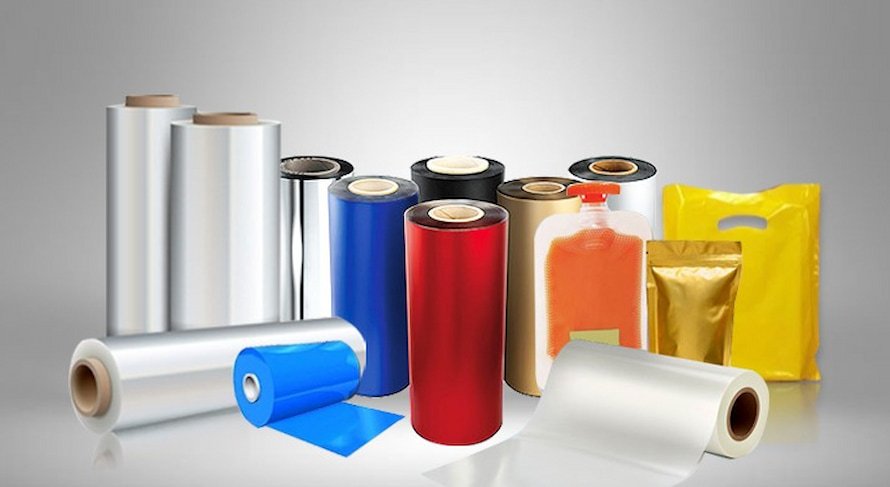
- Surface and appearance: clear, white, matte, pearlized, or metallized constructions may be chosen depending on print effect, opacity, and brand presentation goals.
- Treatment and printability: corona-treated surfaces are typically specified to support ink adhesion, lamination, coating, or adhesive anchorage during converting.
- Functional performance: key properties include tensile strength, moisture resistance, gloss, coefficient of friction, sealability where applicable, and compatibility with printing, slitting, pouch making, or labeling equipment.
Applications
BOPP film is used across both consumer and industrial packaging formats because it performs well in high-volume converting and presents clean graphics on shelf. In label applications, buyers often value its stiffness, dimensional stability, and printable surface for pressure-sensitive, wraparound, and in-mold label programs depending on the grade selected.
In flexible packaging, BOPP film frequently appears as one layer within a laminated structure rather than as a standalone answer. It can contribute print surface, gloss, moisture resistance, and running efficiency, while other layers are added when stronger oxygen barrier, seal integrity, or puncture resistance is required.
- Labels: pressure-sensitive labels, wraparound bottle labels, and other printed label constructions requiring good appearance and converting stability.
- Flexible packaging: laminated pouches, snack packaging structures, overwrap, and printed film applications where moisture resistance and visual appeal are important.
- Paper and board lamination: surface lamination for added gloss, scuff resistance, or presentation improvement in selected paper packaging formats.
Buying Considerations
The most common procurement mistake is specifying BOPP film by thickness alone. Buyers should align the film with the full packaging structure, including print method, adhesive or lamination system, filling environment, sealing process, and the physical demands of transport and shelf life.
Commercially, it is also important to confirm roll dimensions, core size, treatment requirements, and whether the film will run on existing converting lines without unnecessary adjustment. A lower-cost film can become more expensive if it creates printing inconsistency, blocking, sealing issues, or slower machine speeds.
- Confirm the end use first: label face stock, laminate layer, overwrap, or pouch component each requires different film properties.
- Check downstream compatibility: printing method, lamination chemistry, slitting tolerance, and sealing performance should be reviewed before order confirmation.
- Evaluate tradeoffs clearly: BOPP film offers useful moisture resistance and stiffness, but other materials may be better where very high oxygen barrier, extreme toughness, or specialized seal performance is critical.
Why XIYONG
XIYONG Packaging Co., Ltd. serves buyers across multiple packaging categories, which matters when BOPP film is part of a wider packaging decision rather than a single-material purchase. That broader packaging perspective helps procurement teams compare film requirements against label, pouch, and laminated pack needs more practically.
For B2B buyers, the value is not generic product language but clearer alignment between film selection and commercial application. XIYONG Packaging Co., Ltd. can support sourcing discussions around structure, use case, and converting fit so buyers can reduce mismatch risk before production-scale ordering.
- Packaging category coverage across films, labels, pouches, and paper packaging for more application-based discussions.
- B2B-focused supply approach suited to procurement, packaging development, and brand sourcing teams.
- Practical support on product fit, structure considerations, and order requirements for export-oriented packaging buyers.
Conclusion
BOPP film remains a core packaging material because it delivers a practical combination of clarity, stiffness, moisture resistance, and converting efficiency. For buyers sourcing BOPP film, the best results come from specifying the full application context and working with XIYONG Packaging Co., Ltd. on the grade, finish, and converting requirements that fit the final package.
Related Product Pages
If you are planning a live packaging project, these product pages can help you compare structures, materials, and application fit more quickly.
Topic Cluster Links
Related Industries
Related FAQ
Related Downloads
Related Guides
Related Comparisons
Related News
Related Case Study
Technical Evidence
CTA
Buyer search intent
Where To Go After This BOPP Guide
Informational guides perform better when they help the reader make the next commercial decision. This section links the guide into the main money pages and comparison pages so the post supports the full BOPP topic cluster instead of standing alone.
- Use this guide to understand BOPP fit, then move to the main product page when the project needs supplier, sample or quotation discussion.
- If the project is still comparing structures, continue into CPP vs BOPP, barrier-film or recyclable-film pages before the RFQ is submitted.
- When the requirements are already clear, go directly to RFQ with thickness, width, finish, quantity and destination.
Related pages for the next buying step
FAQ
What is BOPP film mainly used for in packaging?
BOPP film is mainly used for labels, overwrap, and laminated flexible packaging. Buyers choose it when they need good print presentation, stiffness, gloss or matte appearance, and moisture resistance, especially in consumer packaging where machine runnability and shelf appearance both matter.
Is BOPP film suitable for direct heat sealing?
Yes, some BOPP film grades are suitable for heat sealing, but not all BOPP film is designed for that function. Buyers should confirm whether they need a sealable grade, a printable non-sealable grade, or a laminate layer, because seal range and seal strength vary by structure.
How should buyers specify BOPP film for an inquiry?
Buyers should specify end use, thickness, appearance, treatment requirement, roll width, roll length, core size, and converting process first. It also helps to share whether the BOPP film will be printed, laminated, slit, or used in labels or pouches, because those details affect grade selection.
Next sourcing steps
Use the article as a specification checklist, then send product use, size, thickness or gsm, quantity, destination country and required documents for review.