
Barrier Film for Packaging: Materials, Uses, and Buying Factors for B2B Buyers
Barrier film helps protect products from oxygen, moisture, aroma loss, and contamination. See materials, uses, and sourcing factors for B2B packaging buyers.
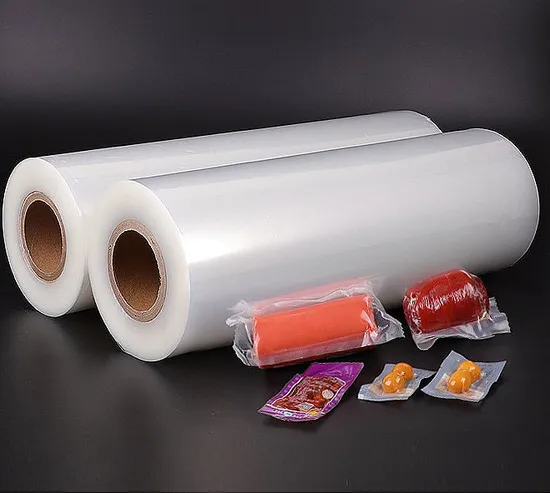
Introduction
Barrier film is used when a product needs measurable protection from oxygen, moisture, aroma loss, grease, or external contamination during storage and distribution. For buyers, the main decision is not simply whether to use barrier film, but which structure fits the product, filling process, shelf-life target, and pack format without adding unnecessary cost.
XIYONG Packaging Co., Ltd. supplies packaging products across flexible packaging films, pouches, labels, and paper packaging, making barrier film a practical category for brands and procurement teams that need material compatibility across multiple packaging formats. The buying process should focus on barrier level, sealing performance, printability, and converting requirements before price comparison.
What Is Barrier Film?
Barrier film is a packaging film engineered to reduce transmission of oxygen, water vapor, light, aroma, or oils, helping preserve product quality and extend usable shelf life in flexible packaging applications.
Common barrier film structures use materials such as PET, BOPP, PE, CPP, nylon, EVOH, aluminum foil, or metallized layers in laminated or co-extruded constructions. The right specification depends on what must be blocked, how the pack is filled, and whether the film will run as rollstock, sachets, pouches, or lidding.
Key Specifications for Barrier Film
When specifying barrier film, buyers usually compare performance in four practical areas: barrier properties, structure, converting compatibility, and pack-use conditions.
- Material structures: PET/PE, PET/CPP, BOPP/PE, NY/PE, PET/AL/PE, and EVOH-based multilayer films are common depending on puncture resistance, sealing, and barrier targets.
- Barrier metrics: oxygen transmission rate and water vapor transmission rate are core measures because they directly affect shelf life for foods, powders, liquids, and sensitive consumer products.
- Functional properties: heat-seal window, coefficient of friction, stiffness, puncture resistance, and machinability matter for form-fill-seal efficiency and leak control.
- End-use conditions: hot fill, vacuum packaging, frozen storage, retort, or high-humidity distribution can change the required film structure and sealant layer selection.
Applications
Barrier film is widely used in food and beverage packaging because shelf life is often limited by oxygen pickup, moisture exchange, aroma loss, or grease migration. Snack foods, coffee, dry powders, sauces, frozen foods, and ready-to-pack products often rely on barrier structures to maintain product consistency through transport and retail storage.
Outside food, barrier film is also relevant for personal care, household, industrial, and healthcare-adjacent packaging where product stability or contamination control matters. In these categories, buyers often prioritize seal integrity, chemical resistance, and compatibility with pouch or sachet converting.
- Food packaging: snacks, coffee, tea, spices, bakery items, frozen foods, sauces, powders, and vacuum-packed products.
- Consumer goods: detergents, wipes, refills, personal care sachets, and products sensitive to odor transfer or moisture exposure.
- Industrial and specialty uses: components, powders, and materials that require cleaner handling, puncture resistance, or controlled barrier performance.
Buying Considerations
The first buying question is what the product must be protected from and for how long. Oxygen-sensitive products may need EVOH, metallized film, or foil-based structures, while moisture-sensitive items may need stronger water vapor protection and dependable seals more than extreme oxygen barrier.
The second question is operational: how the film will run on the line and what pack format it supports. A barrier film that tests well in theory can still create waste if it seals inconsistently, curls during converting, slows machine speed, or fails under drop, compression, or puncture stress in distribution.
- Match barrier level to actual shelf-life need; over-specifying foil or high-barrier layers can raise cost and reduce flexibility without commercial benefit.
- Confirm process fit early, including lamination type, sealing temperature range, pouch format, filling conditions, and printing requirements.
- Review tradeoffs across barrier, transparency, stiffness, recyclability pathway, and pack appearance before finalizing a structure.
Why XIYONG
XIYONG Packaging Co., Ltd. serves B2B buyers across multiple packaging categories, which is useful when a project includes not only barrier film but also related pouch, label, or paper packaging requirements. This supports more consistent specification discussions across the wider packaging system rather than treating film selection in isolation.
For procurement teams, the value is in clear communication on structure, use case, and converting needs. A practical supplier conversation should cover product type, pack size, filling method, shelf-life target, and performance constraints so the barrier film recommendation is commercially realistic.
- Product scope across flexible packaging films, pouches, labels, and paper packaging for coordinated sourcing discussions.
- B2B-oriented focus on material structure, application fit, and commercial packaging use rather than generic retail messaging.
- Support for global buyers seeking China-based manufacturing options in established packaging product categories.
Conclusion
Barrier film is a specification decision, not a commodity shortcut. The right barrier film for a B2B packaging project is the one that protects the product, runs reliably, and fits the required pouch or film format at a sensible cost. XIYONG Packaging Co., Ltd. is positioned to support buyers evaluating barrier film within broader flexible packaging programs.
Related Product Pages
If you are planning a live packaging project, these product pages can help you compare structures, materials, and application fit more quickly.
Topic Cluster Links
Related Industries
Related FAQ
Related Downloads
Related Guides
Related Comparisons
Related News
Related Case Study
Technical Evidence
CTA
FAQ
What is barrier film used for in packaging?
Barrier film is used to protect packaged products from oxygen, moisture, aroma loss, grease, light, or contamination. In practice, buyers choose it to support shelf life, product stability, and distribution performance in formats such as pouches, sachets, rollstock, and lidding applications.
Which materials are commonly used in barrier film structures?
Common materials include PET, BOPP, PE, CPP, nylon, EVOH, aluminum foil, and metallized films. The exact combination depends on the barrier target, seal performance, puncture resistance, transparency needs, and whether the packaging will be used for dry goods, liquids, frozen items, or vacuum-packed products.
How should a buyer choose the right barrier film?
Start with the product's sensitivity and required shelf life. Then review filling conditions, sealing method, pack format, mechanical stress, and visual requirements. The best barrier film is the structure that meets protection and production needs together, rather than the one with the most aggressive barrier on paper.
Next sourcing steps
Use the article as a specification checklist, then send product use, size, thickness or gsm, quantity, destination country and required documents for review.