
PET Film for Packaging: What B2B Buyers Need to Check Before Ordering
PET Film is widely used for labels, laminates, pouches, and print packaging. Learn key specs, uses, and buying factors from XIYONG Packaging Co., Ltd.
Introduction
If you are sourcing PET Film for packaging, the main question is simple: will the film match your converting process, product protection needs, and commercial target. PET Film is commonly selected because it offers good clarity, stiffness, heat resistance, and printability for labels, laminated pouches, and flexible packaging structures, but the right grade depends on thickness, surface treatment, barrier needs, and whether the film is used alone or in a multilayer construction.
XIYONG Packaging Co., Ltd. supplies packaging materials for global B2B buyers across labels, flexible packaging films, pouches, and paper packaging. For PET Film projects, buyers typically need practical guidance on structure selection, application fit, and order specifications rather than broad material theory.
What Is PET Film?
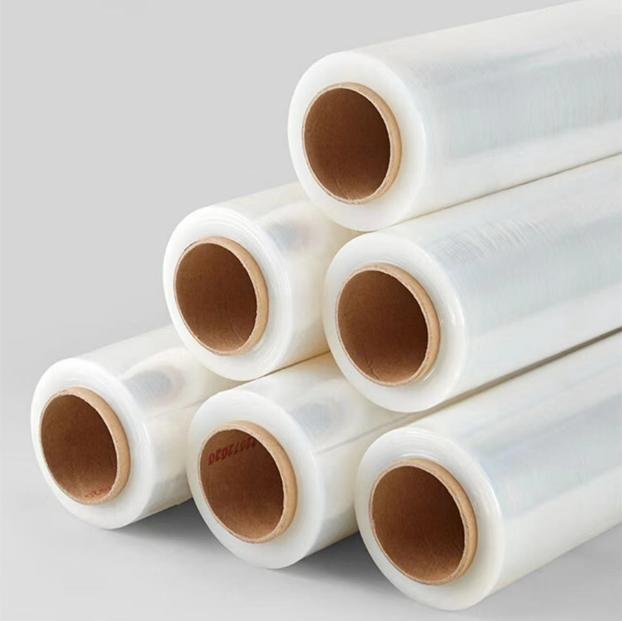
PET Film is a polyester packaging film made from polyethylene terephthalate, used for printing, laminating, labeling, and protective packaging where clarity, strength, dimensional stability, and heat resistance are important.
In commercial packaging, PET Film is often used as a print web or outer layer in laminates rather than as a stand-alone package. Buyers may source clear, metallized, coated, or treated PET Film depending on whether the priority is shelf appearance, ink adhesion, barrier improvement, or performance during lamination and pouch making.
Key Specifications for PET Film
When evaluating PET Film, procurement teams should align the specification sheet with the actual converting line and final pack requirement. These are the details that usually affect cost, runnability, and pack performance most directly.
- Material and finish: clear PET Film, metallized PET Film, or coated PET Film depending on print, barrier, and appearance needs.
- Thickness range: commonly selected in microns for packaging applications, with thinner films used to manage cost and thicker films used for stiffness, handling, or protection.
- Surface treatment: corona or other treatment levels matter for ink adhesion, coating, and lamination bond strength.
- End use structure: confirm whether the PET Film will be used for labels, lidding, laminate outer webs, or combined with PE, CPP, BOPP, aluminum foil, or paper.
Applications
PET Film is widely used in flexible packaging because it handles printing well and stays dimensionally stable under typical converting conditions. In many laminated pouch structures, PET serves as the outer layer, protecting graphics and supporting pack stiffness while another layer provides sealing or barrier performance.
It is also common in pressure-sensitive labels, wrap-around labels, window applications, and decorative packaging where gloss and transparency matter. Metallized PET Film is often chosen when brands need a metallic look or improved light and gas barrier compared with plain clear film.
- Printed outer web for stand-up pouches, flat pouches, sachets, and rollstock laminates.
- Label constructions for beverage, personal care, home care, and industrial product packaging.
- Metallized or specialty film layers for snack, dry food, pharmaceutical-adjacent, and consumer goods packaging where presentation or added barrier is required.
Buying Considerations
PET Film selection should start with the finished pack structure, not a generic material request. A buyer asking only for PET Film may still receive multiple viable options, because performance changes significantly based on thickness, treatment level, metallization, adhesive system, and the sealing layer paired with it.
Tradeoffs matter. PET Film offers strong print and handling performance, but it is not usually the sealing layer in flexible packaging and may need to be laminated to PE or CPP for sealability. If barrier is critical, clear PET alone may be insufficient, which is why many buyers compare metallized PET, foil laminates, or coated structures before final approval.
- Confirm packaging use case: label stock, laminate outer layer, high-clarity display pack, or metallized barrier application.
- Match technical requirements to converting method: rotogravure or flexographic printing, solvent or solventless lamination, pouch making temperature, and required seal structure.
- Define commercial terms early: roll width, core size, winding direction, quantity, trial volume, and tolerance expectations.
Why XIYONG
XIYONG Packaging Co., Ltd. works across multiple packaging formats, which is relevant for PET Film buyers who need material decisions tied to finished packaging outcomes. That broader product context helps buyers discuss film choice in relation to labels, flexible packaging films, pouches, and paper-based pack components instead of purchasing film in isolation.
For international B2B sourcing, the practical value is specification clarity. XIYONG Packaging Co., Ltd. can support discussions around application, structure, and order requirements so buyers can reduce avoidable mismatch between quoted film and actual converting or packaging use.
- Product scope across labels, flexible packaging films, pouches, and paper packaging for more application-based material discussion.
- Commercially relevant communication for buyers comparing structure options, print requirements, and packaging formats.
- Support for specification alignment on material type, use case, and order details before bulk purchasing.
Conclusion
PET Film remains a practical choice for many packaging programs because it combines printability, appearance, strength, and thermal stability in one widely used substrate. The key for buyers is to source PET Film against the real package structure, barrier target, and converting method. XIYONG Packaging Co., Ltd. supports B2B buyers who need PET Film decisions grounded in actual packaging use, not generic material descriptions.
Related Product Pages
If you are planning a live packaging project, these product pages can help you compare structures, materials, and application fit more quickly.
Topic Cluster Links
Related Industries
Related FAQ
Related Downloads
Related Guides
Related Comparisons
Related News
Related Case Study
Technical Evidence
CTA
FAQ
What is PET Film mainly used for in packaging?
PET Film is mainly used as a print and support layer in packaging structures. It is common in labels, laminated pouches, sachets, rollstock, and decorative packs because it offers clarity, stiffness, and stable print performance, while another layer such as PE or CPP typically provides heat sealing.
How do buyers choose the right PET Film grade?
Buyers choose the right PET Film grade by matching the film to the end-use structure and converting process. Key checks include thickness, clear or metallized finish, surface treatment for ink or adhesive adhesion, required barrier level, and compatibility with lamination, pouch making, or label application conditions.
Is PET Film a good barrier material by itself?
PET Film provides moderate barrier performance, but it is usually not enough by itself for high-barrier packaging. Clear PET can support many standard packaging applications, while metallized PET, coated PET, or multilayer laminates are often selected when oxygen, moisture, light, or aroma protection is more critical.
Next sourcing steps
Use the article as a specification checklist, then send product use, size, thickness or gsm, quantity, destination country and required documents for review.