
BOPP Film for Packaging: What Buyers Need to Check Before Sourcing
BOPP film is widely used for labels, overwraps, lamination, and pouch structures. Learn the key specs, applications, and sourcing points buyers should review.
Introduction
BOPP film is a practical choice when buyers need a lightweight, printable, moisture-resistant packaging film for labels, overwraps, lamination, and flexible packs. The key sourcing question is not simply whether BOPP film fits the pack, but which grade, thickness, treatment, and sealing performance match the converting line, product barrier needs, and final retail presentation.
XIYONG Packaging Co., Ltd. supplies packaging materials across labels, flexible packaging films, pouches, and paper packaging, so B2B buyers can evaluate BOPP film in the context of real converting and packaging use. For procurement teams, that means focusing on application fit, machine performance, structure compatibility, and order consistency rather than broad product claims.
What Is BOPP Film?
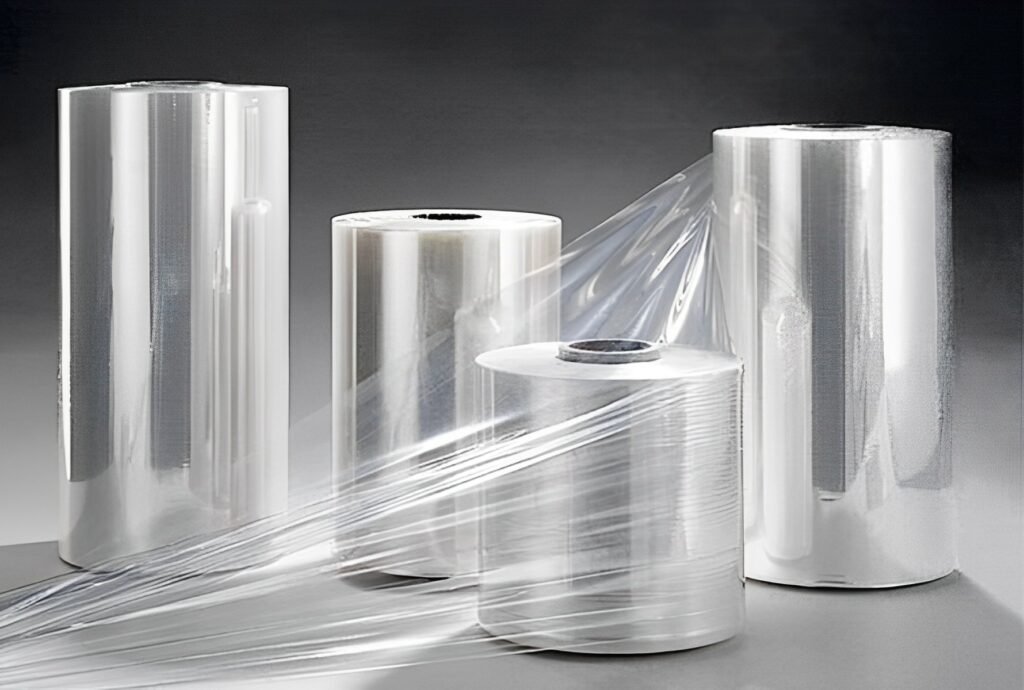
BOPP film, or biaxially oriented polypropylene film, is a polypropylene-based plastic film stretched in both machine and transverse directions to improve clarity, stiffness, strength, and print performance for packaging and labeling uses.
In commercial packaging, BOPP film is commonly selected for its balanced cost-to-performance profile. It can be supplied in grades such as plain, heat-sealable, matte, pearlized, metallized, or coated, depending on whether the buyer needs visual appeal, sealability, machinability, or added barrier performance.
Key Specifications for BOPP Film
When reviewing BOPP film with a supplier, buyers should ask for specifications tied to the intended converting process and end use, not just a generic film description.
- Material and grade: standard BOPP, heat-sealable BOPP, matte BOPP, pearlized BOPP, metallized BOPP, or coated variants for printing, lamination, or barrier needs.
- Thickness range: application-dependent gauges often vary from lighter films for labels and overwraps to heavier films for lamination or pack structures; thickness affects stiffness, yield, and perceived quality.
- Surface treatment and printability: corona-treated surfaces are commonly required for flexographic, gravure, or other printing processes, and treatment level matters for ink adhesion and downstream converting stability.
- Sealing and barrier performance: buyers should confirm seal initiation temperature, coefficient of friction, moisture resistance, opacity or gloss targets, and whether oxygen or aroma barrier must be achieved through multi-layer structures.
Applications
BOPP film is widely used across food and non-food packaging because it combines good appearance with efficient converting performance. In many projects, it serves as a printable web, an overwrap film, or one layer in a laminated flexible packaging structure.
For brand owners, the commercial appeal of BOPP film often comes from shelf presentation and cost efficiency. For converters, the priority is usually runnability: consistent thickness, surface treatment, winding quality, and seal behavior can have a direct effect on downtime, scrap, and line speed.
- Pressure-sensitive labels and wrap-around labels requiring clarity, gloss, stiffness, and print reception.
- Food overwraps and retail packs for snacks, bakery items, confectionery, tea, and dry goods where moisture resistance and appearance matter.
- Laminated pouch and sachet structures where BOPP film is combined with other materials to balance printability, sealability, and barrier requirements.
Buying Considerations
BOPP film is not a one-grade-fits-all material. A film that performs well for a glossy label may be unsuitable for a high-speed pouch line, especially if seal range, slip level, or lamination bond strength are not aligned with the application.
Buyers should also be realistic about tradeoffs. Standard BOPP film offers good moisture resistance and strong visual appeal, but it does not automatically provide the oxygen, aroma, or puncture performance needed for every product, which is why many packs use laminated structures rather than monomaterial film alone.
- Define the end use clearly: label, overwrap, single-web packaging, or laminate layer, because the required grade changes with the process.
- Check converting compatibility: printing method, adhesive or extrusion lamination, sealing equipment, line speed, and roll dimensions all affect film selection.
- Review commercial details early: minimum order quantity, lead time, trial quantity, roll width tolerance, and consistency between production batches can influence total packaging cost.
Why XIYONG
XIYONG Packaging Co., Ltd. serves global B2B buyers across multiple packaging categories, which is useful when BOPP film needs to work within a broader packaging system rather than as a standalone material. Buyers can discuss film use in relation to labels, pouches, or laminated packaging structures instead of sourcing in isolation.
For procurement and packaging teams, that kind of category overlap helps keep specifications practical. The conversation can stay focused on film grade, converting route, application fit, and order requirements that affect commercial performance in production.
- Product focus aligned with real packaging uses across films, labels, pouches, and paper packaging.
- Suitable for B2B sourcing discussions centered on application requirements, converting needs, and commercial practicality.
- Positioned to support buyers evaluating BOPP film as part of a complete packaging structure, not just a commodity roll stock purchase.
Conclusion
For buyers sourcing BOPP film, the best decision comes from matching film grade and specification to the actual packaging job. XIYONG Packaging Co., Ltd. can support B2B discussions around BOPP film for labels, overwraps, lamination, and flexible packaging where material fit, converting performance, and commercial consistency matter most.
Related Product Pages
If you are planning a live packaging project, these product pages can help you compare structures, materials, and application fit more quickly.
Topic Cluster Links
Related Industries
Related FAQ
Related Downloads
Related Guides
Related Comparisons
Related News
Related Case Study
Technical Evidence
CTA
FAQ
What is BOPP film mainly used for in packaging?
BOPP film is mainly used for labels, overwraps, printed packaging, and laminated flexible pack structures. Buyers choose it for its clarity, stiffness, moisture resistance, and good print performance, but the exact grade depends on whether the film must seal, laminate, or provide a specific shelf appearance.
Is BOPP film suitable for food packaging?
Yes, BOPP film is widely used in food packaging, especially for snacks, bakery items, confectionery, tea, and dry goods. The important point for buyers is to confirm the exact film grade, structure, and barrier requirement, since some food applications need laminated layers for better oxygen or aroma protection.
What should buyers specify when ordering BOPP film?
Buyers should specify the application first, then confirm film grade, thickness, width, surface treatment, roll dimensions, sealing needs, and printing or lamination method. It is also practical to review minimum order quantity, lead time, and performance expectations on the converting line before placing volume orders.
Next sourcing steps
Use the article as a specification checklist, then send product use, size, thickness or gsm, quantity, destination country and required documents for review.