
Retort Pouch Packaging Gains Ground as Food Brands Push for Shelf-Stable, Lightweight Formats
Retort pouch packaging is gaining momentum as food brands seek shelf-stable, lightweight formats with strong barrier performance and better logistics efficiency.
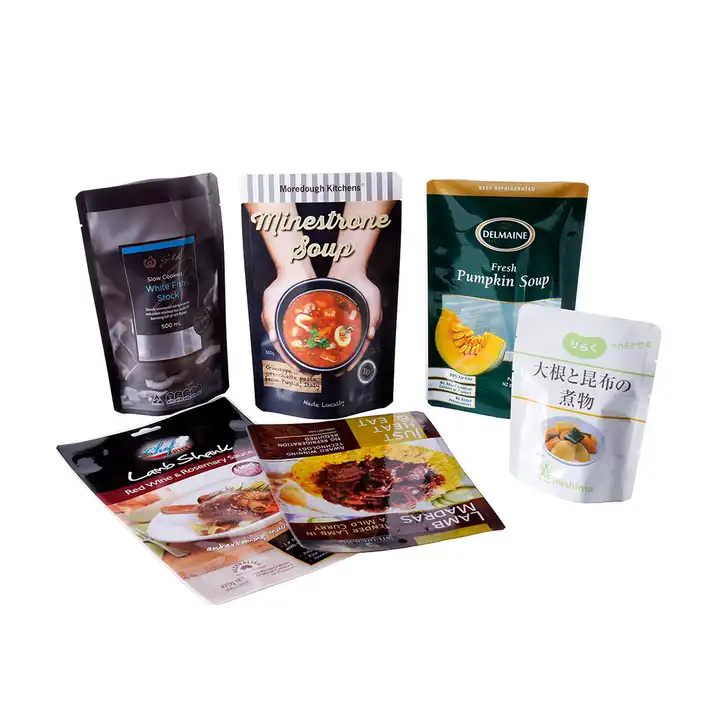

retort pouch packaging: Overview
Retort pouch packaging is a heat-resistant flexible pack designed to withstand thermal sterilization while protecting shelf-stable food. Demand is rising because brands want lower pack weight than cans or jars, strong barrier performance, efficient transport, and convenient pouch formats for products such as sauces, tomato paste, ready meals, and wet foods.
That demand is now visible across both market forecasts and pack-format activity. Industry reports cited in 2026 project continued expansion for retort packaging through the next decade, while packaging trend coverage shows more food brands using stand-up and pouch-based formats to modernize shelf presence, reduce logistics weight, and improve convenience without giving up ambient shelf life.
Key Industry Developments
The clearest signal comes from market intelligence. Fortune Business Insights and Precedence Research both published 2026 outlooks pointing to sustained growth in retort packaging, with Precedence Research stating the market could reach USD 9.04 billion by 2035. While methodologies differ, the direction is consistent: sterilizable flexible formats are attracting more food packaging spend as brands balance shelf life, freight efficiency, and retail differentiation.
A second signal is format adoption in adjacent food applications. Packaging World's 2026 coverage of a stand-up pouch for tomato paste shows how brands are extending pouch logic into categories long associated with rigid packs or simple sachets. Even when every stand-up pouch is not a retort pack, the broader move matters: it conditions retailers, co-packers, and consumers to accept flexible pouch formats in core pantry and meal-prep categories.
Europe's 2026 pouch packaging trend coverage in The National Law Review reinforces the same direction. The regional discussion around pouch formats suggests buyers are no longer evaluating pouches only as a marketing refresh; they are considering them as a structural packaging choice linked to transport efficiency, format convenience, and evolving sustainability expectations. For XIYONG Packaging Co., Ltd. and its B2B customer base, that keeps flexible packaging films, pouches, and printed labeling closely tied to the next wave of food packaging decisions.
Market Analysis
For procurement teams, retort pouch packaging changes the cost model rather than simply lowering material use. Lightweight flexible packs can reduce freight and warehousing burdens compared with heavier rigid alternatives, but they also demand tighter control over film specification, seal integrity, and converting consistency. That means sourcing conversations should move beyond unit price toward barrier targets, sterilization conditions, filling line compatibility, and repeatability across production lots.
Material selection is the commercial center of the format. Buyers evaluating PET, BOPP, CPP, and other barrier film combinations need to match structure to product acidity, fat content, fill process, target shelf life, and abuse conditions in distribution. As pouch demand broadens, related features such as reclosable formats and spouted dispensing also matter in some food categories, a trend supported by separate 2026 market coverage on zipper packaging and by Aptar's work with Cheer Pack North America on leak-free spouted pouch dispensing. The message is practical: pouch adoption is maturing from a simple pack switch into a more segmented format strategy.
Technology and Sustainability Focus
Retort pouch packaging places unusual pressure on converting quality because sterilization performance depends on the total structure, not one layer alone. Buyers should ask suppliers about heat resistance, sealant behavior, puncture resistance, oxygen and moisture barrier requirements, and print durability after thermal processing. In many food applications, the pouch, lidding area, easy-open feature, and any added fitment must perform as one system under heat and pressure.
Printing and labeling also become more strategic as retort formats scale. XIYONG Packaging Co., Ltd.'s product relevance extends beyond pouches into printed films and labels, because shelf-stable food packs still need legible branding, variable coding, logistics identification, and in some cases temperature or handling cues. Brand owners shifting into pouches should review whether graphics will be reverse-printed on film, whether separate labels are needed for SKU flexibility, and how outer case labeling and logistics labels will support warehouse and export operations.
Outlook
The next phase of growth is likely to reward converters and buyers that can simplify qualification. Food brands want the commercial benefits of retort pouch packaging, but they also want shorter development cycles, fewer line-change surprises, and less exposure to supply disruption. That increases the value of suppliers able to support film and pouch specification decisions early, especially for export-oriented food programs where shelf life and transport resilience are critical.
Sustainability will continue to shape the conversation, but buyers should treat it as a design constraint rather than a slogan. Lightweighting supports transport efficiency, yet recyclability questions remain highly structure-dependent in flexible packaging. The practical near-term opportunity is to specify only the barrier and performance actually needed, avoid overengineering, and align pouch design, labeling, and secondary packaging with the destination market's compliance and waste-handling reality.
Conclusion
Retort pouch packaging is moving into a stronger mainstream position because it answers a clear food-industry need: shelf-stable packaging with lower transport weight, modern shelf presence, and flexible format design. The 2026 signals from market forecasts, stand-up pouch adoption, and broader European pouch trends all point in the same direction. For buyers working with XIYONG Packaging Co., Ltd., the most important decisions now sit in material structure, barrier performance, seal reliability, print and labeling strategy, and supplier readiness. In short, retort pouch packaging is no longer just an alternative format; it is becoming a core procurement category in flexible food packaging.
Sources
- Retort Packaging Market Size, Share | Industry Report [2034]
- Retort Packaging Market Size to Hit USD 9.04 Billion By 2035
- Kraft Heinz's Stand-u Pouch for Tomato Paste, Aldi Uses Thermochromic Label for Wine Temperature, and Z2 Performance's Easy-tear Sachet
- Top 15 Flexible Packaging Companies in the World
- Reclosable Zipper Packaging Market Size, Share | Growth [2034]
Related Product Pages
If the trend is moving toward a new material or format, these product pages help buyers compare practical options without losing sight of performance and recyclability.
Next sourcing steps
Use the article as a specification checklist, then send product use, size, thickness or gsm, quantity, destination country and required documents for review.