
Barrier Film for Packaging: Materials, Performance, and Buying Guidance for B2B Buyers
Barrier film helps protect packaged products from oxygen, moisture, light, and aroma loss. Review materials, uses, and sourcing points for B2B packaging buyers.
Introduction
Barrier film is used when a product needs protection from oxygen, moisture, aroma transfer, grease, or light during storage and distribution. For buyers, the main decision is not simply whether to use barrier film, but which structure fits the product, shelf-life target, filling process, and pack format without adding unnecessary cost or complexity.
XIYONG Packaging Co., Ltd. supplies packaging solutions across flexible packaging categories, and barrier film is a practical product line for brands and converters that need dependable protection performance in pouches, sachets, rollstock, and laminated packaging formats. The buying focus should stay on material structure, barrier level, sealability, print compatibility, and end-use conditions.
What Is Barrier Film?
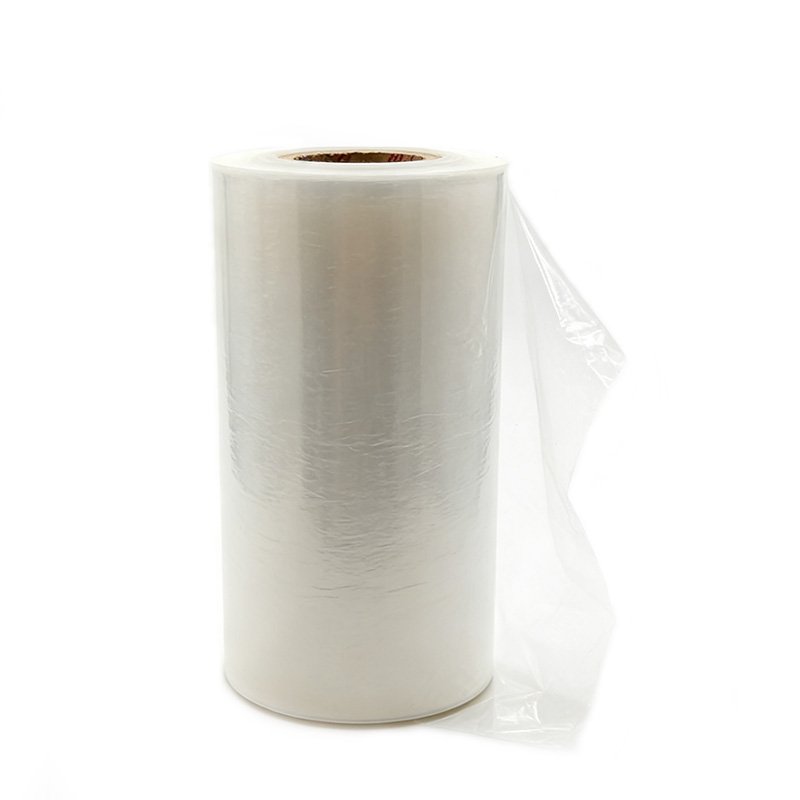
Barrier film is a packaging film structure engineered to reduce the transmission of oxygen, water vapor, aroma, oil, or light. It is commonly made from multilayer combinations such as PET, BOPP, PE, CPP, nylon, EVOH, metallized film, or aluminum foil.
In practice, barrier film is selected by balancing protection and processability. A dry snack may need moisture and oxygen control, while a liquid or retort application may also require puncture resistance, heat stability, and stronger seals. That is why the film structure matters more than the generic term alone.
Key Specifications for Barrier Film
When evaluating barrier film, procurement and packaging teams usually compare these specifications first:
- Material structure: common options include PET/PE, BOPP/CPP, PET/VMPET/PE, PET/AL/PE, PA/PE, and EVOH-based multilayer films, each with different barrier, stiffness, and cost profiles.
- Barrier performance: oxygen transmission rate and water vapor transmission rate are core metrics because they directly affect shelf life, flavor retention, and moisture control.
- Sealing and conversion: buyers should confirm heat-seal range, coefficient of friction, lamination suitability, printing surface, and machine compatibility for pouch making or form-fill-seal lines.
- End-use resistance: puncture strength, flex-crack resistance, oil resistance, light protection, and temperature tolerance matter for frozen, hot-fill, vacuum, or high-speed distribution environments.
Applications
Barrier film is widely used in food packaging because oxygen and moisture control directly affect freshness, texture, and product stability. Typical uses include snacks, coffee, tea, sauces, powdered products, dried foods, frozen items, and vacuum-packed products where product protection is commercially tied to shelf life and complaint reduction.
Outside food, barrier film also serves personal care, household, and industrial packaging where aroma retention, contamination protection, or chemical resistance is needed. In these cases, the film must be evaluated not only for barrier values but also for filling conditions, transport handling, and packaging appearance.
- Food packaging: stand-up pouches, flat pouches, lidding, rollstock, vacuum packs, and sachets for dry, oily, powdered, or aroma-sensitive products.
- Consumer goods: packaging for wipes, detergents, refills, and personal care items where leak resistance and product stability are important.
- Industrial and specialty use: barrier structures for products needing protection from humidity, odor transfer, grease, or external contamination during storage and shipment.
Buying Considerations
The best barrier film specification starts with the packed product and the required shelf life, not with a default material preference. Buyers should define whether the real risk is oxygen ingress, moisture pickup, aroma loss, grease migration, pinholing, or light exposure, then match the structure to those risks.
Commercially, over-specifying barrier can raise cost and complicate converting, while under-specifying can shorten shelf life and increase waste. XIYONG Packaging Co., Ltd. can support buyers more effectively when the inquiry includes product type, pack size, filling method, storage conditions, and target markets.
- Define the barrier target clearly: oxygen, moisture, aroma, grease, UV/light, or a combination, and relate it to the required shelf life and distribution route.
- Check process fit: sealing temperature window, pouch format, printing requirements, lamination method, and whether the film must run on existing filling equipment.
- Review tradeoffs early: foil and metallized structures can improve barrier, while clear structures may support product visibility; higher barrier may also affect cost, flexibility, and recyclability pathways.
Why XIYONG
XIYONG Packaging Co., Ltd. operates in labels, flexible packaging films, pouches, and paper packaging, which is useful for buyers sourcing barrier film as part of a broader packaging program. That cross-category focus can help align film selection with the final pack format rather than treating film as an isolated material purchase.
For B2B buyers, the practical value is clear communication around structure, application, and supply requirements. XIYONG Packaging Co., Ltd. is positioned to work with importers, brand owners, and packaging buyers who need barrier film options matched to commercial use cases, order planning, and downstream converting needs.
- Relevant packaging scope across flexible films, pouches, labels, and paper packaging for more coordinated sourcing discussions.
- Commercially practical product positioning focused on packaging applications, material structures, and buyer requirements rather than generic claims.
- Suitable for global B2B inquiries where packaging teams need application-based guidance on barrier film selection and supply planning.
Conclusion
Barrier film is a functional packaging decision that directly affects shelf life, product stability, machine performance, and total pack cost. Buyers comparing barrier film options should focus on the actual protection need, material structure, and process fit. XIYONG Packaging Co., Ltd. offers barrier film within a broader packaging portfolio that supports practical sourcing conversations for flexible packaging projects.
Related Product Pages
If you are planning a live packaging project, these product pages can help you compare structures, materials, and application fit more quickly.
Topic Cluster Links
Related Industries
Related FAQ
Related Downloads
Related Guides
Related Comparisons
Related News
Related Case Study
Technical Evidence
CTA
FAQ
What is the main purpose of barrier film in packaging?
The main purpose of barrier film is to protect the packaged product from oxygen, moisture, aroma loss, grease, or light exposure. For buyers, that means better shelf-life control and more stable product quality, provided the film structure is matched correctly to the product, filling process, and storage conditions.
Which materials are commonly used in barrier film structures?
Common barrier film materials include PET, BOPP, PE, CPP, nylon, EVOH, metallized films such as VMPET, and aluminum foil. Each material contributes different properties, so the final structure is usually chosen based on required barrier level, sealability, stiffness, puncture resistance, and budget.
How should a buyer choose the right barrier film?
A buyer should choose barrier film by starting with product sensitivity and shelf-life target. Then review oxygen and moisture needs, pouch or rollstock format, sealing conditions, printing requirements, transport risks, and cost tradeoffs before confirming the most suitable multilayer structure with the supplier.
Next sourcing steps
Use the article as a specification checklist, then send product use, size, thickness or gsm, quantity, destination country and required documents for review.