
Thermal Paper for POS, Labels, and Tickets: What B2B Buyers Need to Specify
Thermal paper is used for POS receipts, labels, and tickets. Learn key grades, specifications, and buying factors for reliable commercial supply.
Introduction
Thermal paper is the right choice when you need fast, ink-free printing for receipts, tickets, tags, or selected label applications. For B2B buyers, the key decision is not simply roll size; it is matching the paper grade, sensitivity, image durability, and converted format to the printer type, storage conditions, and end use.
XIYONG Packaging Co., Ltd. supplies packaging and print-related materials for global B2B buyers, including thermal paper formats used in retail, logistics, hospitality, banking, and transport. A practical sourcing review should cover base paper weight, coating performance, roll dimensions, core size, winding direction, and shelf-life expectations before placing volume orders.
What Is Thermal Paper?
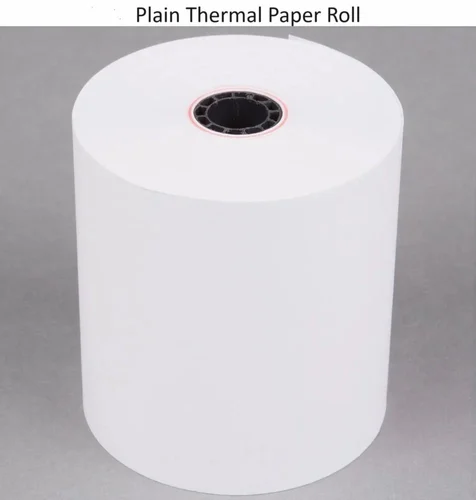
Thermal paper is a paper substrate coated with heat-sensitive chemicals that form an image when exposed to a thermal printhead. It is commonly converted into rolls, fanfold packs, or sheets for POS receipts, tickets, tags, and some barcode label applications.
Most commercial thermal paper uses a base paper with a thermal coating layer and, in many grades, a protective topcoat. Direct thermal printing does not require ribbon, toner, or ink, which simplifies operation and lowers consumable complexity. The tradeoff is that image stability can be affected by heat, light, abrasion, plasticizers, oils, and storage conditions.
Key Specifications for Thermal Paper
For thermal paper procurement, buyers usually need to lock down the following specifications before asking for price or sampling:
- Format and dimensions: roll width, roll length, outer diameter, core size, sheet size, fanfold dimensions, and winding direction for printer compatibility.
- Paper construction: base paper weight commonly in the 48-80 gsm range depending on receipt, ticket, or tag use, plus thermal coating and optional topcoat.
- Print performance: thermal sensitivity, print darkness, barcode readability, image life, resistance to smudge, scratch, moisture, oils, and handling friction.
- Commercial and logistics details: pack count, inner and outer packing, carton strength, palletization, storage conditions, and order quantities for stable supply planning.
Applications
Thermal paper is widely used where high print speed and simple printer operation matter more than long archival life. In retail and service environments, it remains a standard material for POS receipts, queue numbers, payment slips, and transaction records.
In logistics and transport, direct thermal formats are also used for short-life labels, tickets, and tags when the print only needs to remain readable through a limited distribution or usage period. Buyers should separate short-term operational labeling from long-term identification, because thermal paper is not the best fit for every durability requirement.
- POS receipt rolls for supermarkets, restaurants, convenience stores, pharmacies, and payment terminals.
- Ticketing and queuing formats for parking, cinemas, transport, hospitals, banks, and visitor management.
- Tags and selected direct thermal labels for logistics, warehousing, shipping, weighing, and short-cycle product identification.
Buying Considerations
The first buying checkpoint is printer compatibility. A thermal paper roll that matches width but fails on core diameter, roll OD, winding direction, or sensitivity can cause feeding issues, weak image density, or printhead performance problems. Procurement teams should request printer model matching during quotation and sample approval.
The second checkpoint is required image life under real conditions. Receipt paper for quick consumer use has a different requirement from transport tickets or warehouse labels. Storage heat, humidity, sunlight exposure, contact with PVC films or plasticizers, and frequent handling can all shorten readability, so grade selection should reflect actual use rather than a generic receipt specification.
- Confirm whether standard, top-coated, or specialty thermal paper is needed based on abrasion resistance, barcode scanning reliability, and environmental exposure.
- Ask for sample rolls or sheets tested on the actual printer model, especially for high-speed POS systems, kiosks, ATMs, scales, or ticket dispensers.
- Define storage and transit expectations clearly; thermal paper generally performs best when stored cool, dry, and away from direct heat and light.
Why XIYONG
XIYONG Packaging Co., Ltd. serves B2B buyers across multiple packaging categories, which is useful when thermal paper is part of a wider sourcing program that may also include labels, flexible packaging, pouches, or paper packaging. That broader packaging focus helps buyers coordinate format, packing, and shipment requirements across product lines.
For thermal paper projects, procurement teams typically need clear communication on dimensions, application, packing method, and order planning. XIYONG Packaging Co., Ltd. can support that process by aligning practical product specifications with commercial supply requirements, helping buyers reduce avoidable errors at the sampling and ordering stage.
- B2B-oriented communication around format, application, and packaging details before mass ordering.
- Support for customized converted formats such as rolls, sheets, or related print-use packaging requirements where relevant.
- A packaging manufacturing background that fits buyers managing multiple packaging SKUs from one supply base.
Conclusion
Thermal paper is a practical, cost-efficient material for receipts, tickets, and short-life print applications, but only when the specification matches the printer and the real operating environment. Buyers evaluating thermal paper should focus on format, coating grade, sensitivity, image life, and storage conditions first. XIYONG Packaging Co., Ltd. supports B2B sourcing with a packaging-focused approach that keeps thermal paper decisions commercially grounded and specification-led.
Related Product Pages
If you are planning a live packaging project, these product pages can help you compare structures, materials, and application fit more quickly.
Topic Cluster Links
Related Industries
Related FAQ
Related Downloads
Related Guides
Related Comparisons
Related News
Related Case Study
Technical Evidence
CTA
FAQ
What is the difference between thermal paper and normal paper?
Thermal paper has a heat-sensitive coating that creates an image when it passes under a thermal printhead, while normal paper needs ink, toner, or ribbon to print. For buyers, that means simpler printer operation and faster output, but also more sensitivity to heat, light, and certain chemicals.
How do I choose the right thermal paper roll for my printer?
Start with the printer model and exact roll specification. Buyers should confirm width, roll length, outer diameter, core size, winding direction, and required sensitivity, then test samples on the actual machine. A roll that looks dimensionally close can still cause feeding problems or weak print quality.
Is thermal paper suitable for long-term barcode or archive use?
Usually no, not for demanding long-term use. Thermal paper works well for short- to medium-life receipts, tickets, and some logistics labels, but image durability depends heavily on storage and handling conditions. If the code or record must remain readable for extended periods, buyers should review more durable material options.
Next sourcing steps
Use the article as a specification checklist, then send product use, size, thickness or gsm, quantity, destination country and required documents for review.