
PET Film for Packaging: Key Specifications, Uses, and Buying Considerations for B2B Buyers
PET Film is a core packaging material for printing, lamination, and barrier structures. Review key specifications, uses, and sourcing factors for buyers.
Introduction
PET Film is used in packaging when buyers need a stable, printable, and durable film for laminates, labels, pouches, and protective outer layers. For most procurement teams, the key question is not whether to use PET Film, but which grade, thickness, surface treatment, and converting compatibility will meet performance targets without adding unnecessary cost.
XIYONG Packaging Co., Ltd. supplies packaging materials for global B2B buyers across labels, flexible packaging films, pouches, and paper packaging. Within that context, PET Film is a practical product line for brands and converters that need dependable appearance, mechanical strength, and compatibility with common printing and lamination processes.
What Is PET Film?
PET Film is a polyester-based plastic film, typically made from polyethylene terephthalate, used in packaging for its clarity, strength, dimensional stability, heat resistance, and suitability for printing, coating, metallizing, and lamination.
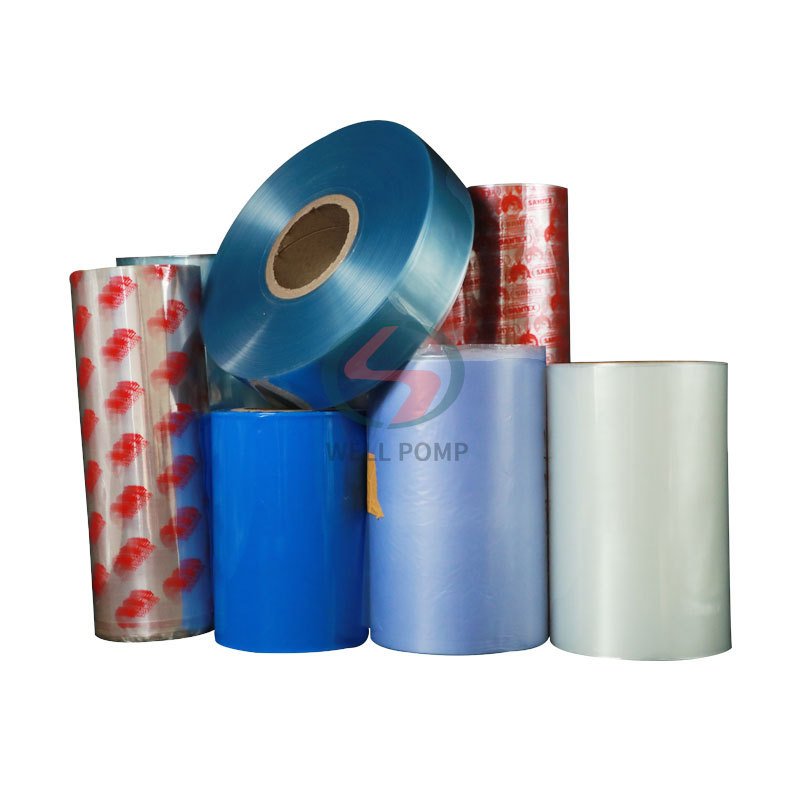
In commercial packaging, PET Film often serves as the outer web in multilayer structures because it holds print well and resists stretching during converting. It can be supplied in clear, matte, treated, or metallized forms depending on the application, shelf appearance, and barrier target.
Key Specifications for PET Film
When evaluating PET Film for packaging, buyers typically compare these technical and commercial variables before approving a structure or requesting trial rolls.
- Material base: polyethylene terephthalate polyester film, commonly available in clear, matte, heat-resistant, chemically treated, or metallized versions for different converting needs.
- Thickness range: packaging applications often use PET Film in thin to mid gauges, with final selection driven by stiffness, print register, laminate design, handling, and total pack cost.
- Surface performance: corona or other surface treatment may be required to improve ink, adhesive, coating, or metallization adhesion in printing and lamination lines.
- End-use compatibility: buyers should confirm sealant-layer pairing, oxygen and moisture barrier targets, product contact needs, and machine conditions before specifying a PET Film grade.
Applications
PET Film is widely used in flexible packaging because it combines visual quality with process stability. It is common in laminated food pouches, personal care packaging, household product packs, and label constructions where clean print and puncture resistance matter.
It is also used where a package needs a stronger outer layer than some lower-cost films can provide. In many laminates, PET Film works with PE, CPP, or metallized layers to balance appearance, sealability, barrier, and line performance.
- Printed outer layers for stand-up pouches, sachets, and rollstock laminates.
- Label facestocks and overlamination uses where clarity, durability, or scuff resistance are required.
- Metallized or laminated structures for snacks, dry goods, powdered products, and selected non-food packaging.
Buying Considerations
The main buying decision with PET Film is matching film grade to the full packaging structure, not treating the film as an isolated commodity. A film that prints well may still fail commercially if it laminates poorly, curls on press, or adds unnecessary stiffness for the pack format.
Procurement teams should also review practical supply points: roll width, core size, thickness tolerance, treatment level, slip properties, and consistency between orders. These details directly affect waste, machine uptime, and whether a converter can run the material efficiently.
- Check converting method first: gravure, flexographic, digital, lamination, pouch making, and label application can each influence the right PET Film specification.
- Confirm tradeoffs clearly: PET Film offers strength and print quality, but sealing usually depends on another layer such as PE or CPP in multilayer packaging.
- Review logistics and order planning: lead time, roll format, trial quantity, and repeat-order consistency matter as much as nominal material price in B2B sourcing.
Why XIYONG
XIYONG Packaging Co., Ltd. operates across multiple packaging categories, which is useful for buyers who need PET Film within a broader packaging program rather than as a standalone material purchase. That product context supports more practical discussions around structure design, print use, and downstream converting requirements.
For international buyers, a supplier conversation is more productive when it centers on application details, not generic claims. XIYONG Packaging Co., Ltd. can work from the buyer's packaging format, material stack, and use case to help align PET Film choices with actual production and commercial needs.
- Product coverage across labels, flexible packaging films, pouches, and paper packaging.
- Application-oriented support for matching PET Film to printing, lamination, and end-use requirements.
- Suitable sourcing partner for buyers seeking coordinated packaging material discussions with a China-based manufacturer.
Conclusion
For B2B packaging buyers, PET Film remains a practical choice when the job requires print stability, appearance, strength, and compatibility with laminated packaging structures. The best PET Film specification is the one that fits the complete pack design, converting process, and commercial target. XIYONG Packaging Co., Ltd. supports buyers looking for PET Film within real packaging applications, from labels to flexible packaging formats.
Related Product Pages
If you are planning a live packaging project, these product pages can help you compare structures, materials, and application fit more quickly.
Topic Cluster Links
Related Industries
Related FAQ
Related Downloads
Related Guides
Related Comparisons
Related News
Related Case Study
Technical Evidence
CTA
FAQ
What is PET Film used for in packaging?
PET Film is mainly used as a strong, printable outer layer in packaging structures. Buyers choose it for laminated pouches, rollstock, labels, and protective films when they need clarity, stiffness, good print performance, and dependable converting behavior across printing and lamination processes.
Is PET Film a good barrier material by itself?
PET Film provides useful performance, but it is often not the only barrier layer in demanding packaging. In many commercial structures, buyers combine PET Film with metallized layers, PE, CPP, or other materials to achieve the required oxygen, moisture, sealability, and shelf-life targets.
What should buyers confirm before ordering PET Film?
Buyers should confirm thickness, surface treatment, roll dimensions, print method, lamination process, and final package structure before ordering PET Film. It is also important to review whether the film will be clear, matte, or metallized, and how it must perform during converting, filling, and transport.
Next sourcing steps
Use the article as a specification checklist, then send product use, size, thickness or gsm, quantity, destination country and required documents for review.