
PET Film for Packaging: A Practical Buying Guide for Labels, Laminates, and Pouches
PET Film for packaging buyers: compare grades, thickness, finishes, and converting considerations for labels, pouches, lidding, and paper laminates.
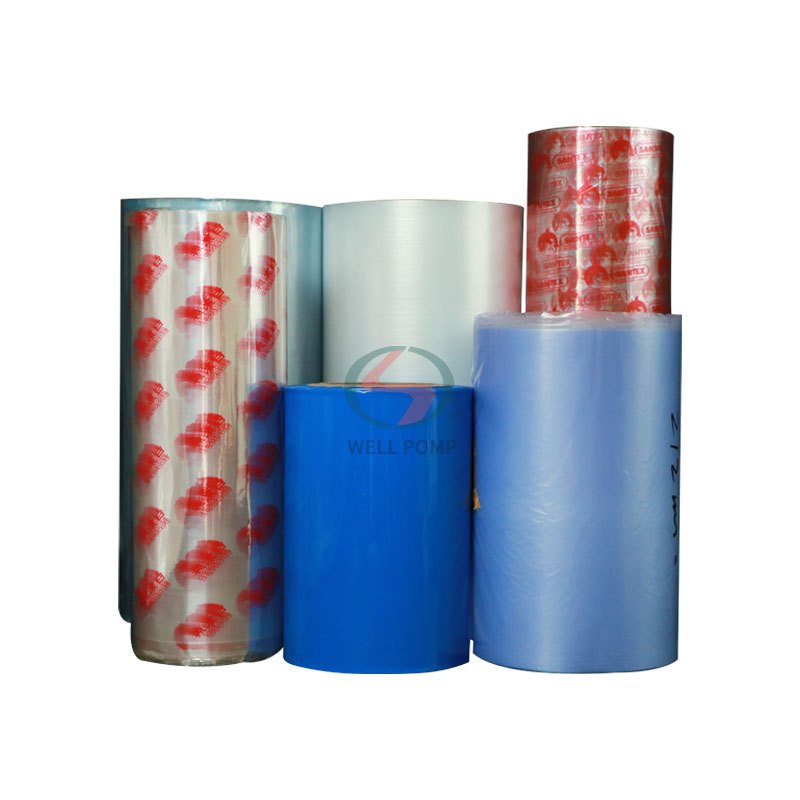
Direct Answer: How to Specify PET Film for Packaging
PET film should be specified against the finished package and converting route, not as a barrier claim in isolation. A useful RFQ identifies the end use, film construction, printable or treated side, and roll-handling requirements so the converter can validate a sample before production.
| RFQ field | What to confirm |
|---|---|
| End use | Label, flexible laminate, pouch, lidding, or paper-lamination application and the product?s handling environment. |
| Film construction | Required PET grade, confirmed thickness range, clear or metallized finish, and the role PET plays in the full laminate. |
| Converting route | Printing method, treated or printable side, lamination or coating process, and the required downstream bond or seal validation. |
| Roll delivery | Width, outer diameter, core size, winding direction, splice policy, and sample-trial requirements. |
For a product-level starting point, see PET film material options; use this guide to prepare the package and converting details that make those options comparable.
Introduction
PET Film is a practical choice when buyers need a stable, printable packaging substrate for labels, flexible packaging laminates, pouches, lidding, and paper packaging. The right grade depends on the required thickness, surface treatment, heat resistance, clarity, barrier target, and downstream converting method.
For procurement teams, PET Film should be evaluated as part of the finished package structure. A clear PET layer may provide stiffness, gloss, and print support, while metallized PET, coatings, polyethylene, aluminum foil, or sealant films may be needed to achieve specific light, oxygen, moisture, or sealing requirements.
What Is PET Film?
PET Film is a polyester packaging film made from polyethylene terephthalate, supplied as clear, white, metallized, coated, or laminated structures for labels, flexible packaging, lidding, and paper-packaging applications.
In packaging conversion, PET is valued for its strength, dimensional stability, optical clarity, and resistance to many handling and processing conditions. It can be printed, laminated, coated, metallized, slit, and formed into multilayer constructions, subject to the selected grade and converting process.
Key Specifications for PET Film
A useful PET Film specification should define the material construction and the conditions it must withstand in printing, laminating, slitting, filling, transport, and end use. Buyers should request data against the actual packaging application rather than relying on a generic film description.
- Thickness: Common packaging PET Film gauges include approximately 12 to 75 microns, with the suitable range determined by stiffness, handling, laminate design, and application requirements.
- Finish and appearance: Clear, matte, white, metallized, and coated PET options support different shelf appearance, opacity, printability, and light-barrier objectives.
- Surface treatment: Corona treatment, primer, coating, or other printable surfaces may be specified according to ink system, adhesive chemistry, and lamination process.
- Roll format: Confirm roll width, core diameter, maximum outer diameter, winding direction, splice policy, and slitting tolerances before placing a production order.
Applications
PET Film is widely used as a face stock or structural layer in pressure-sensitive labels, shrink-sleeve-related applications where applicable grades are selected, and high-gloss decorative packaging. Its dimensional stability can help converters maintain registration during printing and lamination.
In flexible packaging, PET commonly serves as an outer print web in duplex or triplex laminates. It may be combined with materials such as polyethylene, polypropylene, aluminum foil, nylon, or metallized films to balance graphics, barrier, puncture resistance, and heat-sealing performance.
- Printed outer webs for food, beverage, personal care, household, and industrial flexible packaging.
- Laminated pouch structures, sachets, stand-up pouches, and rollstock where a stable print carrier is required.
- Paper packaging laminates and decorative label constructions requiring gloss, stiffness, moisture resistance, or a protective surface layer.
Buying Considerations
Start with the pack function: identify whether PET Film is needed primarily for print quality, stiffness, heat resistance, appearance, protection, or a combination of these factors. The answer determines whether clear PET, matte PET, metallized PET, coated PET, or a multilayer laminate is the appropriate direction.
Barrier claims require particular care. Standard PET Film has useful inherent properties, but demanding shelf-life targets usually require a designed barrier structure and validation against the packed product, filling method, storage conditions, and distribution environment.
- Match film thickness and stiffness to the package format, machine handling, label application method, and expected transportation conditions.
- Confirm compatibility with the intended printing method, including gravure, flexographic, digital, or other converter-specific processes, plus ink and adhesive systems.
- Specify commercial details early: order quantity, approved artwork or sample standard, roll dimensions, lead time, delivery terms, and required quality documentation.
Why XIYONG
XIYONG Packaging Co., Ltd. supports B2B packaging buyers across labels, flexible packaging films, pouches, and paper packaging. This product range helps buyers discuss PET Film in relation to the complete packaging format rather than as an isolated material.
A productive project discussion with XIYONG Packaging Co., Ltd. begins with the end application, package structure, printing requirements, dimensions, and commercial volume. Providing these details early makes it easier to align film selection, converting expectations, and order specifications.
- Packaging-focused product scope covering PET Film alongside labels, flexible packaging, pouches, and paper packaging.
- Application-led discussions for buyers comparing film appearance, structure, print requirements, and converting needs.
- Commercial coordination based on defined material specifications, packaging format, order quantity, and delivery requirements.
Conclusion
PET Film remains a versatile packaging substrate for buyers who need reliable print support, clarity, stiffness, and dimensional stability. To specify PET Film effectively, define the final package structure, barrier needs, converting process, roll requirements, and commercial order conditions with XIYONG Packaging Co., Ltd. before production.
Related Product Pages
If you are planning a live packaging project, these product pages can help you compare structures, materials, and application fit more quickly.
Topic Cluster Links
Related Industries
Related FAQ
Related Downloads
Related Guides
Related Comparisons
Related News
Related Case Study
Technical Evidence
CTA
FAQ
What is PET Film used for in packaging?
PET Film is used for printed flexible packaging laminates, labels, pouch structures, lidding components, and paper-packaging laminates. It is commonly selected for clarity, gloss, stiffness, dimensional stability, and print support. The final application determines whether it is used alone or combined with sealant and barrier layers.
Is PET Film a high-barrier packaging material?
PET Film can contribute to package protection, but it is not automatically a complete high-barrier solution. Barrier performance depends on the full structure, including metallization, coatings, foil, and companion films. Buyers should validate oxygen, moisture, aroma, and light requirements against the finished laminate and packed product.
What information should I provide when requesting PET Film?
Provide the intended packaging application, film thickness, finish, roll width, core size, printing method, lamination or sealing process, and estimated order quantity. It is also useful to state product-contact needs, shelf-life objectives, delivery destination, and any required testing or documentation for the target market.
Next sourcing steps
Use the article as a specification checklist, then send product use, size, thickness or gsm, quantity, destination country and required documents for review.