
BOPP Film for Labels and Lamination: Converter Selection Guide
BOPP film guide for label converters and laminators: compare treated side, thickness, print method, winding, core size, and validation before sampling.
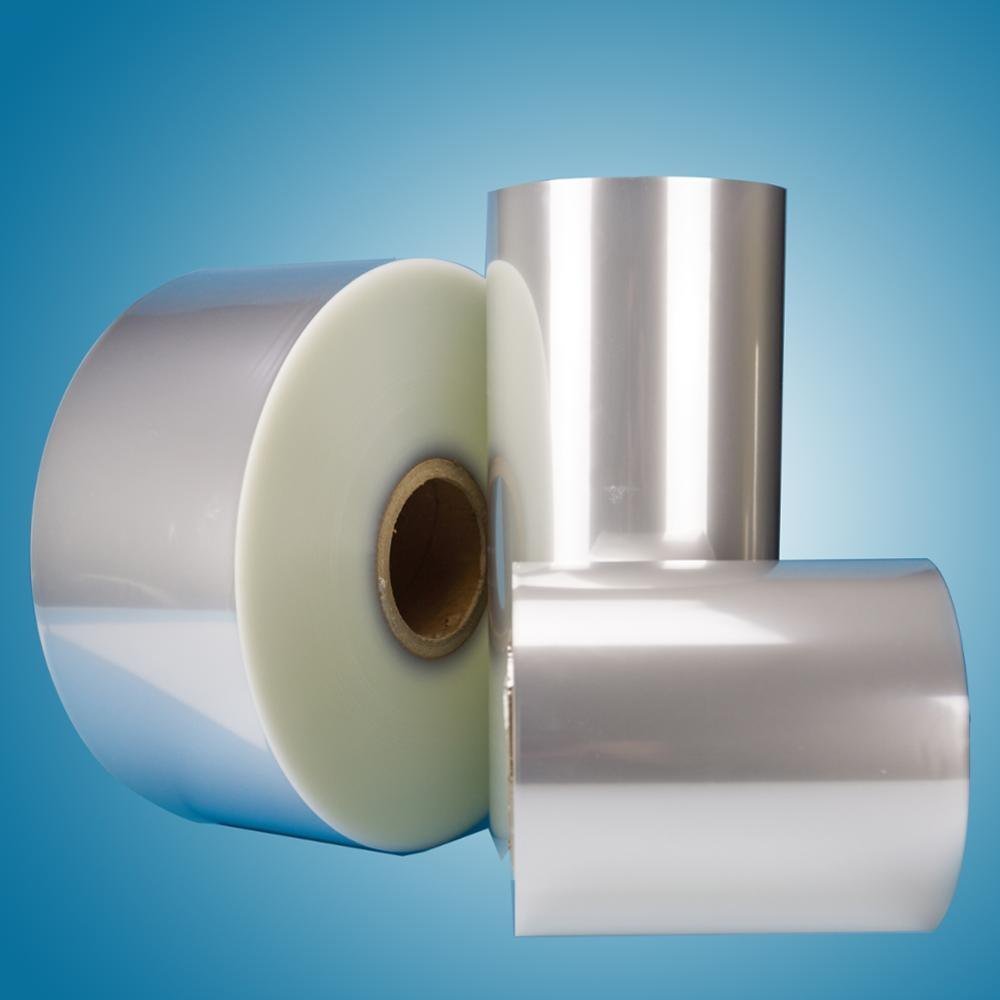
Direct Answer: BOPP Film for Labels and Lamination
For label facestock and lamination projects, BOPP film should be selected from the converting route first?not from a generic packaging description. Confirm whether the film is the printable face, a laminate layer, an overwrap, or part of a finished label construction; then match surface treatment, print or adhesive system, roll geometry, and downstream testing to that role.
| Converting route | Confirm before sampling | Why it matters |
|---|---|---|
| Label printing or label facestock | Surface finish, treated side, print method, adhesive and release-liner compatibility | These choices affect ink anchorage, die-cutting, dispensing, and finished-label appearance. |
| Dry-bond or extrusion lamination | Film grade, treatment level, adhesive or extrusion route, winding direction, and bond-test plan | The same BOPP appearance can behave differently in lamination and during later slitting or sealing. |
| Converter roll supply | Thickness, width, roll OD, core ID, splice policy, and monthly usage | Roll geometry and handling tolerances determine whether the material runs reliably on the intended line. |
This page focuses on labels and lamination. For a broader comparison of BOPP in packaging structures, use the BOPP packaging guide; for manufacturer, grade, sample, and RFQ information, review the BOPP film material page.
Introduction
BOPP Film is a practical choice when a buyer needs a light, printable, moisture-resistant polypropylene film for labels, overwrap, lamination, or flexible packaging structures. The main buying question is not whether BOPP is common, but which grade, thickness, surface treatment, and roll specification will run correctly on printing, coating, laminating, or packing equipment.
XIYONG Packaging Co., Ltd. supplies packaging buyers across labels, flexible packaging films, pouches, and paper packaging. For BOPP Film, the commercial value is in controlling fit-for-use details: clarity or opacity, matte or gloss finish, dyne level, sealing requirements, coefficient of friction, and compatibility with downstream converting.
What Is BOPP Film?
BOPP Film is a biaxially oriented polypropylene film made by stretching polypropylene resin in both machine and transverse directions to improve clarity, stiffness, tensile strength, and dimensional stability for packaging and label applications.
Common BOPP Film formats include transparent film, matte film, pearlized white film, metallized film, heat-sealable film, and treated film for printing or lamination. It is widely used where brands need a clean appearance, good moisture resistance, low film weight, and efficient roll-fed processing.
Key Specifications for BOPP Film
When specifying BOPP Film, procurement teams should confirm the converting process first. A film that works for pressure-sensitive labels may not be suitable for heat-seal packaging, and a film designed for reverse printing may need different treatment from a simple wrap film.
- Material and structure: polypropylene-based BOPP, available as plain, treated, heat-sealable, matte, pearlized, or metallized film depending on the packaging structure.
- Thickness and gauge: commonly specified in microns, with selection driven by stiffness, yield, label dispensing, pouch lamination, overwrap performance, and unit cost.
- Surface treatment: corona-treated or chemically treated surfaces may be required for ink adhesion, adhesive anchorage, coating, or lamination bonding.
- Roll format: confirm roll width, outer diameter, core size, winding direction, joint tolerance, and packing method before mass production.
- Performance checks: buyers should review COF, haze, gloss, opacity, tensile strength, shrink behavior, heat-seal range, and dyne level where relevant.
Applications
In labels, BOPP Film is used for wraparound labels, pressure-sensitive labels, and in-mold label structures where moisture resistance and dimensional stability matter. Clear BOPP can support no-label-look designs, while white or pearlized BOPP gives stronger opacity for branded decoration.
In flexible packaging, BOPP often works as a print web or outer layer in laminated structures with CPP, PE, PET, aluminum foil, or metallized substrates. It can improve pack stiffness and appearance, but buyers should not treat it as a universal barrier film without checking oxygen, aroma, light, and seal requirements.
- Food and snack packaging, including printed laminates for dry goods, confectionery, bakery items, and lightweight retail packs.
- Beverage, household, and personal care labels where moisture resistance, clarity, gloss, or wraparound performance is important.
- Retail overwrap, stationery packaging, textile packaging, tape film, and promotional packaging where appearance and roll-fed efficiency affect cost.
Buying Considerations
The most common purchasing mistake is specifying only thickness and price. For BOPP Film, the buyer should also define print method, ink system, adhesive or lamination process, packaging machine speed, required slip level, storage conditions, and whether heat sealing is part of the structure.
There are tradeoffs. High clarity may not provide the opacity needed for shelf blocking. Metallized BOPP can improve light barrier and visual impact, but it changes recyclability discussions and may require tighter handling. Heat-sealable BOPP can simplify structures, but the sealing window must match the packing line.
- Ask for application-based sampling, not only a catalog grade, especially when testing inks, adhesives, coating, or automatic packing equipment.
- Confirm food-contact, migration, or regulatory documentation requirements according to the destination market and packed product category.
- Align commercial terms around MOQ, lead time, artwork or cylinder readiness, roll packing, export carton or pallet format, and inspection criteria.
- Define acceptance tolerances for width, thickness, roll joints, surface defects, dyne level, winding tension, and appearance before repeat orders.
Why XIYONG
XIYONG Packaging Co., Ltd. is positioned for B2B buyers who need packaging materials matched to real converting and filling conditions. Its broader work across labels, flexible films, pouches, and paper packaging helps buyers discuss BOPP Film as part of a complete packaging structure rather than an isolated roll material.
For international procurement teams, the useful conversation is specific: application, structure, artwork process, target market, roll dimensions, and machine conditions. XIYONG Packaging Co., Ltd. can support that discussion by aligning BOPP Film selection with the buyer's packaging format and commercial requirements.
- Category fit across labels, flexible packaging films, pouches, and paper packaging for buyers managing multiple packaging components.
- Practical specification discussions covering film type, surface treatment, roll format, print or lamination use, and downstream processing needs.
- B2B export-oriented communication for brand owners, converters, distributors, and procurement teams sourcing packaging from China.
Conclusion
BOPP Film is a strong option when packaging buyers need a printable, lightweight, moisture-resistant film for labels, lamination, wrap, or flexible packaging. The best result comes from specifying the film around the actual converting line, product requirements, and retail presentation. XIYONG Packaging Co., Ltd. helps buyers frame those decisions in commercial terms: grade, finish, treatment, roll format, testing needs, and repeat-order consistency.
Related Product Pages
If you are planning a live packaging project, these product pages can help you compare structures, materials, and application fit more quickly.
Topic Cluster Links
Related Industries
Related FAQ
Related Downloads
Related Guides
Related Comparisons
Related News
Related Case Study
Technical Evidence
CTA
FAQ
What is BOPP Film used for in packaging?
BOPP Film is used for labels, flexible packaging laminates, overwrap, tape, and retail packaging. Buyers choose it for clarity, gloss, stiffness, moisture resistance, and efficient roll-fed converting. The exact grade should match the printing method, lamination structure, sealing requirement, and final packed product.
How should buyers specify BOPP Film for printing or lamination?
Buyers should specify BOPP Film by application, thickness, surface treatment, dyne level, roll width, core size, winding direction, COF, and required finish. For printing or lamination, ink system, adhesive type, bonding target, drying conditions, and downstream machine speed should be confirmed before bulk ordering.
Is BOPP Film suitable for food packaging?
BOPP Film can be suitable for food packaging when the selected grade and full packaging structure meet the product and market requirements. Buyers should confirm food-contact documentation, migration requirements, barrier needs, sealing method, and storage conditions before approving a specification for direct or indirect food use.
Next sourcing steps
Use the article as a specification checklist, then send product use, size, thickness or gsm, quantity, destination country and required documents for review.