
BOPP Film for Packaging: Practical Buying Guide for Labels, Wraps, and Flexible Converting
BOPP film is a widely used packaging material for labels, overwraps, and laminations. Learn key specs, uses, and sourcing points from XIYONG Packaging Co., Ltd.
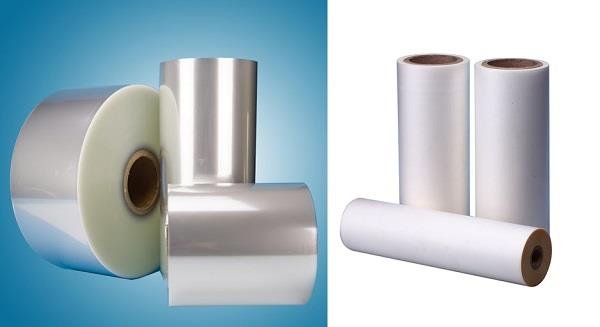
Introduction
BOPP film is a practical choice when buyers need a packaging material that combines clarity, stiffness, printability, and efficient converting for labels, overwraps, and flexible packaging structures. If your main question is whether BOPP film fits your product, the answer is usually yes for dry goods, retail wraps, pressure-sensitive labels, and laminated pouch constructions where good appearance and line efficiency matter.
XIYONG Packaging Co., Ltd. supplies packaging products for global B2B buyers across labels, flexible packaging films, pouches, and paper packaging. For procurement teams reviewing BOPP film, the important issues are not just price per kilogram, but thickness consistency, surface treatment, sealing behavior, and compatibility with the intended printing or laminating process.
What Is BOPP Film?
BOPP film, or biaxially oriented polypropylene film, is a polypropylene-based packaging film stretched in both machine and transverse directions to improve clarity, stiffness, tensile strength, and converting performance.
In commercial packaging, BOPP film is commonly specified as transparent, matte, white, pearlized, heat-sealable, or coating-ready depending on the end use. It is widely used in labels, food overwraps, lamination webs, and pouch structures because it offers a useful balance of appearance, machinability, and material efficiency.
Key Specifications for BOPP Film
When sourcing BOPP film, buyers should align technical specifications with the actual packaging process and shelf requirements. The following points usually determine whether the film performs well in production and in market.
- Material and finish: clear BOPP, matte BOPP, white BOPP, pearlized BOPP, or heat-sealable BOPP depending on print effect, barrier goals, and pack appearance.
- Typical thickness range: often specified from about 15 to 60 microns for many packaging and label uses, with exact gauge selected based on stiffness, dead-fold needs, and converting method.
- Surface treatment: corona-treated or coating-ready surfaces are important for ink adhesion, lamination bond strength, and consistent print results in flexographic, gravure, or other converting lines.
- Performance factors: gloss, haze, coefficient of friction, tensile strength, seal initiation behavior, and dimensional stability all affect run speed, pack presentation, and waste rates.
Applications
BOPP film is used across several packaging formats because it converts efficiently and presents well on shelf. In labels, it is valued for clean print surfaces and moisture resistance; in overwraps and flow wrap structures, it provides stiffness, gloss, and good machine handling.
For flexible packaging, BOPP film is often used as a print web or laminate layer rather than as a single-material answer for every product. Buyers should note the tradeoff: standard BOPP offers good moisture resistance, but oxygen barrier and high-seal-demand applications may require coated, metallized, or multi-layer structures.
- Pressure-sensitive labels, wrap-around labels, and in-mold or decorative labeling-related converting applications.
- Bakery, confectionery, snack, tea, and dry food overwrap or flow-wrap structures where appearance and machinability are priorities.
- Laminated pouch and bag constructions paired with other films to support print, stiffness, moisture resistance, or shelf presentation.
Buying Considerations
The right BOPP film specification depends on what the film must do first: print, seal, laminate, or present the product. A film that looks attractive in sample form may still fail commercially if the surface energy is wrong for inks, the gauge drifts during converting, or the seal window does not match the packing line.
Procurement teams should also review the broader commercial setup, including roll dimensions, core size, winding direction, order volume, and destination logistics. These details affect waste, press compatibility, and landed cost just as much as the nominal film price.
- Confirm the end use clearly: label face stock, overwrap, heat-seal web, or lamination layer, because each use changes the correct film grade.
- Match film properties to the process: printing method, lamination adhesive system, sealing temperature range, and line speed should be discussed before ordering.
- Request practical production details: micron tolerance, roll width, roll length, treatment level, slip or anti-block needs, and packaging conditions during shipment.
Why XIYONG
XIYONG Packaging Co., Ltd. serves B2B buyers across multiple packaging categories, which is useful when a project involves more than one component such as films, labels, pouches, or paper packaging. That broader packaging view can help buyers compare BOPP film choices against the final pack structure rather than evaluating film in isolation.
For sourcing conversations, XIYONG Packaging Co., Ltd. can support a specification-led approach focused on application, structure, and order practicality. That is typically more valuable to buyers than generic product promotion, especially when packaging performance must be balanced with cost, print quality, and converting efficiency.
- Product focus aligned with real packaging categories including flexible packaging films, labels, pouches, and paper packaging.
- Commercial discussion can be centered on application fit, material structure, and supply requirements rather than broad marketing claims.
- Suitable for global B2B buyers who need coordinated packaging sourcing from a China-based packaging manufacturer.
Conclusion
BOPP film remains one of the most commercially useful packaging materials for buyers who need clarity, stiffness, print performance, and converting efficiency in labels, overwraps, and flexible structures. When evaluating BOPP film, the most reliable path is to define the end use, confirm the critical specifications, and work with XIYONG Packaging Co., Ltd. on a requirement-based sourcing discussion.
Related Product Pages
If you are planning a live packaging project, these product pages can help you compare structures, materials, and application fit more quickly.
Topic Cluster Links
Related Industries
Related FAQ
Related Downloads
Related Guides
Related Comparisons
Related News
Related Case Study
Technical Evidence
CTA
FAQ
What is BOPP film mainly used for in packaging?
BOPP film is mainly used for labels, overwraps, flow-wrap applications, and laminated flexible packaging. Buyers choose it because it offers strong visual appeal, good stiffness, moisture resistance, and efficient machine performance, especially in dry food, retail, and consumer goods packaging where print and shelf presentation matter.
How do I choose the right BOPP film grade for my product?
Choose the BOPP film grade based on the job the film must perform first. If the film must print well, focus on surface treatment and appearance; if it must seal, review seal range and sealing layer; if it must laminate, confirm bond compatibility, thickness, and downstream pouch or wrap requirements.
Is BOPP film suitable for all flexible packaging applications?
No, BOPP film is not suitable for every flexible packaging application on its own. It performs well in many dry product and presentation-focused formats, but higher barrier, retort, or demanding seal applications often require coated, metallized, or multi-material structures to meet product protection and process needs.
Next sourcing steps
Use the article as a specification checklist, then send product use, size, thickness or gsm, quantity, destination country and required documents for review.