
BOPP Film for Packaging: Grades, Applications, and Buying Considerations
BOPP film for labels, overwraps, and flexible packaging: compare grades, thicknesses, surface treatments, and sourcing factors before ordering.
Introduction
BOPP film is a practical choice for buyers needing a clear, stiff, moisture-resistant polypropylene film for labels, overwraps, laminates, and selected flexible packaging formats. The right BOPP film depends on whether the job requires printing, adhesive lamination, heat sealing, metallization, or a combination of these functions. XIYONG Packaging Co., Ltd. helps B2B buyers assess BOPP film requirements within broader label and flexible packaging projects.
For procurement teams, the commercial question is not simply whether to specify polypropylene film. It is whether the chosen thickness, surface treatment, winding format, and functional grade will run reliably on the intended printing, laminating, pouch-making, or wrapping equipment. Defining those details before quotation reduces conversion risk and prevents avoidable material mismatches.
What Is BOPP Film?
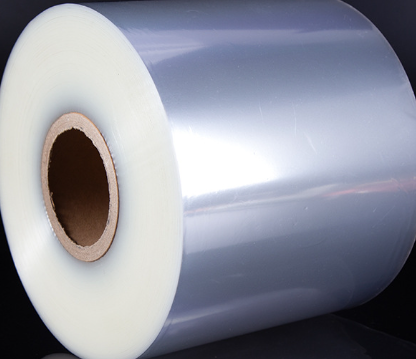
BOPP film is biaxially oriented polypropylene film, made by stretching polypropylene in both machine and transverse directions to improve clarity, stiffness, strength, and dimensional stability for packaging conversion.
BOPP is available in clear, white opaque, matte, pearlized, metallized, and heat-sealable formats, among others. It is frequently used as a single-web label material or as one layer in a laminated flexible packaging structure, where other materials may provide additional sealability or barrier performance.
Key Specifications for BOPP Film
A technically useful BOPP film specification should identify the film construction as well as the intended converting process. Buyers should request data relevant to the actual packaging line rather than relying on a generic material description.
- Film type and appearance: clear, matte, white opaque, pearlized, metallized, or heat-sealable BOPP, with the required gloss, opacity, and visual effect.
- Thickness and yield: specify micron thickness or gauge, along with the allowable tolerance needed for printing registration, laminating consistency, and finished-pack handling.
- Surface treatment: identify corona-treated, coated, or untreated surfaces and state which side will receive ink, adhesive, lacquer, cold seal, or metallization.
- Functional requirements: confirm coefficient of friction, seal initiation range where applicable, slip level, stiffness, moisture resistance, and any required barrier contribution.
Applications
BOPP film is widely used where visual presentation, stiffness, and moisture resistance matter. Clear grades are common in pressure-sensitive labels and transparent overwraps, while white, matte, and pearlized grades give brands a different shelf appearance without moving away from a polypropylene-based substrate.
In flexible packaging, BOPP often serves as the outer printable web or as a functional inner web in a laminate. A snack pack, for example, may use printed BOPP with a metallized film or another barrier layer, depending on required product protection, sealing method, and shelf-life target.
- Pressure-sensitive labels for food, beverage, personal care, household, and industrial products.
- Overwraps for confectionery, tobacco-related packaging, stationery, and consumer goods where clarity and stiffness support presentation.
- Laminated webs for snacks, bakery products, dry foods, and other flexible packaging applications requiring print performance and controlled moisture protection.
Buying Considerations
BOPP film is not automatically a complete packaging solution. Standard BOPP has useful moisture resistance, but it may need metallization, coating, lamination, or another substrate when oxygen barrier, aroma retention, puncture resistance, or low-temperature sealing is critical.
Buyers should also distinguish material performance from converting performance. Ink adhesion, lamination bond strength, web handling, static control, and seal results depend on the selected grade, surface treatment, adhesives, inks, equipment settings, and storage conditions.
- Provide the finished application, pack structure, product type, filling process, sealing method, and expected distribution conditions with the RFQ.
- Confirm roll width, core size, winding direction, splice policy, roll length or diameter limits, and whether the film must run on high-speed equipment.
- Request samples or trial material for new structures, particularly when changing from PET, CPP, PE, paper, or an existing BOPP grade.
Why XIYONG
XIYONG Packaging Co., Ltd. works across labels, flexible packaging films, pouches, and paper packaging, which is useful when BOPP film must function within a wider packaging specification. Buyers can discuss film selection alongside printing, laminate structure, label construction, and final pack format rather than treating the web as an isolated material.
A productive inquiry to XIYONG Packaging Co., Ltd. starts with practical conversion information: the product being packed, artwork requirements, film appearance, dimensions, target structure, and delivery needs. This gives both buyer and supplier a clearer basis for evaluating whether a BOPP film option is appropriate.
- Packaging-category perspective across labels, flexible films, pouches, and paper packaging.
- Commercial discussions centered on application requirements, construction details, and converting compatibility.
- Support for buyers who need to align film selection with a finished packaging format and sourcing brief.
Conclusion
BOPP film remains a versatile packaging material for buyers who need clarity, stiffness, printable surfaces, and moisture resistance across labels, overwraps, and laminates. XIYONG Packaging Co., Ltd. can evaluate BOPP film requirements in the context of the complete packaging specification, helping buyers define the grade, treatment, and construction needed for the intended application.
Related Product Pages
If you are planning a live packaging project, these product pages can help you compare structures, materials, and application fit more quickly.
Topic Cluster Links
Related Industries
Related FAQ
Related Downloads
Related Guides
Related Comparisons
Related News
Related Case Study
Technical Evidence
CTA
FAQ
What is BOPP film used for in packaging?
BOPP film is used for labels, transparent overwraps, decorative wraps, and laminated flexible packaging. Its clarity, stiffness, and moisture resistance make it useful for consumer-packaged goods, but the final application determines whether it needs a heat-sealable grade, metallization, coating, or a second substrate.
Is BOPP film suitable for food packaging?
Yes, BOPP film is commonly used in food packaging structures, especially for snacks, bakery products, confectionery, and dry goods. Suitability depends on the complete pack design, including the selected grade, inks, adhesives, sealing layer, barrier requirements, and applicable food-contact requirements for the destination market.
What information should I provide when requesting BOPP film?
Provide the end use, film appearance, thickness target, print method, lamination or sealing process, roll dimensions, and expected order volume. Buyers should also identify product sensitivity to moisture, oxygen, aroma loss, or puncture, because these factors determine whether standard BOPP film alone is sufficient.
Next sourcing steps
Use the article as a specification checklist, then send product use, size, thickness or gsm, quantity, destination country and required documents for review.