
EVOH Barrier Film in Flexible Packaging: When Buyers Should Use It
A material science guide to EVOH barrier film in flexible packaging, oxygen barrier performance, recyclable structures, food packaging, and buyer trade-offs.
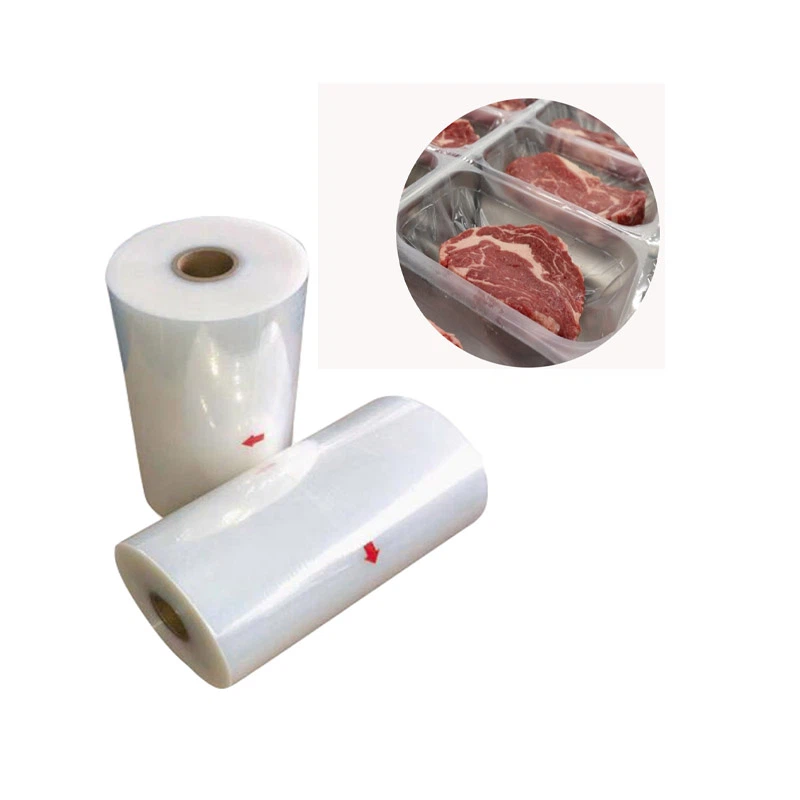
Short answer: EVOH barrier film is used in flexible packaging when buyers need strong oxygen barrier in a thinner structure. It can support selected food, coffee, pet food, and recyclable-direction packaging designs when moisture sensitivity and recycling guidance are considered.
This buyer guide is written for sourcing teams comparing custom packaging structures, MOQ, quality control, and supplier evidence before placing an order with a flexible packaging manufacturer.
Quick Comparison
| Factor | Buyer Meaning |
|---|---|
| Main benefit | Strong oxygen barrier for sensitive products. |
| Common use | Food packaging, high-barrier pouches, thermoforming, and recyclable-direction structures. |
| Design caution | EVOH barrier can be affected by moisture and must be protected in the structure. |
| Recycling note | EVOH may be accepted in limited percentages in some recycling design guidance, but local rules vary. |
| Buyer action | Request structure details, barrier data, and sample testing before production. |
Why EVOH is used
EVOH helps slow oxygen transmission, which can protect flavor, aroma, color, and shelf life. It is often discussed when buyers want barrier performance without relying only on foil.
Where EVOH fits
EVOH may be considered for food packaging, coffee trials, pet food, frozen food, and mono-material recyclable-direction projects where oxygen barrier is a key requirement.
What to validate
Buyers should validate oxygen barrier, moisture exposure, seal performance, laminate design, filling conditions, and destination-market recycling guidance.
Related Resources
- Mono Material Pouches
- Recyclable Packaging
- Mono Material Packaging Trends 2026
- PET vs BOPP Packaging
- Flexible Packaging Supplier for Germany
FAQ
What is EVOH barrier film?
EVOH is an ethylene vinyl alcohol barrier material used to reduce oxygen transmission in packaging structures.
Is EVOH suitable for recyclable packaging?
It can be used in some recyclable-direction structures, but acceptance depends on percentage, design guidance, and local recycling systems.
Does EVOH block moisture?
EVOH is mainly an oxygen barrier and can be sensitive to moisture, so it must be designed into the structure carefully.
When should buyers use EVOH?
Use EVOH when oxygen barrier is important and the structure can meet sealing, moisture, and market requirements.
EVOH Barrier Film Specification Details Buyers Should Compare
EVOH barrier film is used when ordinary PE, PP, or basic PET/PE structures do not provide enough oxygen control for the product. EVOH is valued because it can deliver very low oxygen transmission when the layer is protected inside a laminate or coextruded structure. For buyers, the important question is not simply whether the package contains EVOH. The important question is how much barrier is needed, where the EVOH layer sits, how humidity affects performance, and whether the structure still runs reliably on the filling line.
A typical EVOH packaging discussion should include product type, expected shelf life, target oxygen transmission rate, moisture exposure, pasteurization or retort conditions if relevant, and whether the package will be chilled, frozen, or stored at ambient temperature. The same EVOH layer can perform differently when exposed to humidity, so packaging engineers often protect EVOH between polyolefin, PET, PA, or other layers.
| Buyer Question | Why It Matters | Practical Note |
|---|---|---|
| What OTR is required? | Oxygen transmission drives shelf life for many food and healthcare products. | Do not over-specify. A very high barrier can increase cost without improving commercial results. |
| Will the product face humidity? | EVOH barrier performance is moisture-sensitive. | Use protective layers and validate performance under realistic storage conditions. |
| Is the pack recyclable? | Some mono-material designs can include limited EVOH, but rules vary. | Check the accepted guideline for the target market before making recyclability claims. |
| What sealing layer is needed? | The outer barrier does not solve heat seal performance. | PE, PP, or specialty sealant choice still controls seal strength and packing speed. |
When EVOH Is Worth the Added Cost
EVOH is most useful for oxygen-sensitive products such as processed food, meat, cheese, sauces, pet food, coffee-related formats, high-value ingredients, and selected healthcare packaging. It is less useful when the product mainly needs moisture resistance, puncture resistance, or simple shelf display. Buyers should compare EVOH with metallized film, aluminum foil, nylon-containing structures, and high-barrier coatings before deciding.
The business case usually becomes stronger when product value is high, shelf-life loss is expensive, distribution is long, or the buyer needs to reduce preservatives while maintaining protection. The case is weaker when the product has a short shelf life, is not oxygen-sensitive, or sells through a fast-turnover channel.
Common EVOH Structures
Flexible packaging suppliers may recommend coextruded PE/EVOH/PE, PP/EVOH/PP, PET/EVOH/PE, PA/EVOH/PE, or multi-layer laminates depending on application. A pouch for seafood may need puncture resistance and low-temperature toughness. A sauce pouch may need strong sealant and leakage control. A dry ingredient pouch may need a balance of moisture and oxygen barrier. EVOH is one part of the structure, not the whole specification.
- Food pouches: review OTR, WVTR, sealing temperature, migration or food-contact documentation, and filling method.
- Pet food packaging: review grease resistance, odor control, puncture resistance, and zipper strength.
- Frozen packaging: review low-temperature flexibility, seal strength, and drop resistance.
- Recyclable structures: confirm mono-material direction and the allowed EVOH percentage for the intended market.
Procurement Checklist for EVOH Barrier Film
Before requesting a quote, buyers should prepare the product category, package size, fill weight, shelf-life target, storage temperature, destination market, printing method, annual volume, and any target OTR or WVTR. If the target barrier is unknown, share the current packaging structure and pain point. XIYONG PACK can compare practical options and explain whether EVOH, metallized film, aluminum foil, or another structure is more suitable.
Related pages: BOPP film, food packaging, frozen food packaging, and recyclable packaging.
How Buyers Should Test EVOH Barrier Film Before Approval
Before approving EVOH barrier film, buyers should test more than appearance and print quality. A useful approval process checks oxygen barrier assumptions, seal strength, lamination quality, filling-line behavior, and packed product performance after storage. If the product is chilled, frozen, oily, acidic, powder-based, or moisture-sensitive, the test should copy real handling conditions as closely as possible.
Start with a small sample run. Fill the product at the intended weight, seal it with the production sealing parameters, pack it in the planned carton, and store it under the expected temperature and humidity. Check seal leaks, delamination, odor change, color change, pack swelling, pinholes, and transport damage. For higher-value launches, buyers can request third-party OTR or WVTR testing on the proposed structure.
| Test Area | What to Check | Why It Matters |
|---|---|---|
| Seal strength | Top seal, side seal, bottom gusset, zipper area | A high barrier film still fails if the seal is weak. |
| Barrier validation | OTR, WVTR, aroma retention, product shelf-life result | Confirms whether EVOH is needed and whether the layer is protected. |
| Machinability | COF, roll flatness, static, registration, sealing window | Prevents stoppages on automatic packing lines. |
| Storage simulation | Humidity, temperature, stacking, carton compression | Shows how the finished pack behaves in the real supply chain. |
Common Mistakes in EVOH Packaging Procurement
The first mistake is asking for EVOH without defining the shelf-life problem. The second is assuming EVOH automatically makes a package premium or recyclable. The third is ignoring humidity. EVOH is powerful, but it must be placed and protected correctly. Buyers should also avoid comparing quotes unless the structures, thicknesses, and test assumptions are the same.
A clear RFQ should state the target product, shelf life, pack size, storage route, annual quantity, target market, and current material structure if one exists. If the buyer is replacing aluminum foil, the supplier should explain the barrier difference. If the buyer is replacing PET/PE, the supplier should explain the cost and performance gain. This makes the quotation useful for both technical and purchasing teams.
FAQ for EVOH Barrier Film Buyers
Is EVOH better than aluminum foil?
EVOH is not universally better than aluminum foil. Aluminum foil gives extremely high light, oxygen, and moisture barrier, while EVOH is often used when buyers need strong oxygen control with a different appearance, flexibility, or recyclability direction.
Can EVOH film be transparent?
Yes, EVOH can be used in transparent or semi-transparent structures, depending on the other layers. This is one reason buyers consider EVOH when they want barrier protection without a fully opaque foil appearance.
What information should I send for an EVOH quote?
Send product type, target shelf life, package size, storage condition, filling method, current structure, order quantity, and any target OTR or food-contact documentation requirements.
Next sourcing steps
Use the article as a specification checklist, then send product use, size, thickness or gsm, quantity, destination country and required documents for review.