
Film Labels for B2B Packaging: Materials, Print Options, and Buying Considerations
Film labels offer durable, moisture-resistant decoration for packaged goods. Learn materials, uses, and buying factors from XIYONG Packaging Co., Ltd.
Introduction
Film labels are used when buyers need labels that hold up better than standard paper against moisture, abrasion, oils, refrigeration, or handling stress. For procurement teams, the practical question is usually which film label material and adhesive combination fits the container, filling process, storage conditions, and print requirements without creating unnecessary cost.
XIYONG Packaging Co., Ltd. supplies film labels for brands and packaging buyers that need a more durable labeling format across food, beverage, personal care, household, industrial, and promotional packaging. The main buying variables are usually material selection, finish, adhesive type, print compatibility, and how the label performs during application and distribution.
What Is Film Labels?
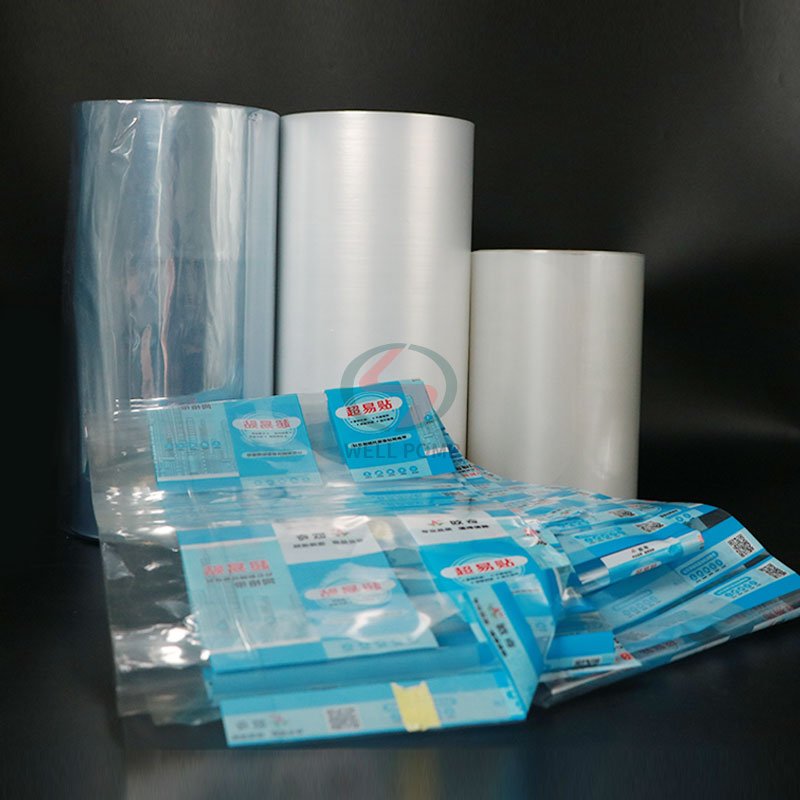
Film labels are pressure-sensitive or printed label constructions made with polymer face materials such as BOPP, PE, or PET instead of paper, typically selected for better water resistance, durability, conformability, or shelf appearance.
Compared with paper labels, film labels are often chosen for wet environments, squeezable containers, refrigerated products, or packaging that faces frequent rubbing during transport and retail handling. They can also support clear-on-clear branding, glossy presentation, and stronger resistance to tearing in many applications.
Key Specifications for Film Labels
When specifying film labels, buyers should review the full construction rather than the face material alone. Commercial performance depends on the interaction between film type, thickness, adhesive, liner, print process, and end-use conditions.
- Common face materials: BOPP for general consumer labeling, PE for squeezable or contoured containers, and PET for higher dimensional stability, heat resistance, or premium appearance.
- Finish options: clear, white, metallized, gloss, or matte surfaces depending on branding goals, opacity needs, and whether a no-label look is required.
- Adhesive choices: permanent, removable, freezer-grade, or application-specific systems selected based on substrate type, temperature exposure, and expected label life.
- Construction factors: film gauge, liner format, roll direction, core size, and application method should align with labeling equipment and transport conditions.
Applications
Film labels are widely used across packaged goods where moisture resistance and visual consistency matter. Typical formats include bottle labels, jar labels, container labels, wrap labels, promotional stickers, and durable information labels for products exposed to handling or humid conditions.
In commercial terms, film labels are often selected when brands want longer shelf impact with fewer failures from wrinkling, edge lift, or water damage. They are especially practical for products moving through cold chain, bathroom use, kitchen use, or high-contact retail environments.
- Food and beverage packaging, including chilled bottles, condiment containers, and moisture-exposed packs.
- Personal care and household products, especially shampoos, detergents, lotions, and cleaning products used in wet areas.
- Industrial and logistics applications requiring stronger scuff resistance or durable product identification.
Buying Considerations
The most important buying consideration for film labels is fit with the actual package and use environment. A label that looks right on a sample sheet may perform poorly if the container surface energy, squeeze behavior, filling temperature, or storage condition was not considered at specification stage.
Buyers should also weigh cost against function. Film labels generally provide stronger resistance than paper, but not every product needs PET or a premium clear construction. Matching the material to the commercial use case is usually the best route to controlling total packaging cost.
- Confirm the container material and shape, including HDPE, PET, glass, PP, or flexible surfaces, because adhesion and conformability can vary significantly.
- Review service conditions such as refrigeration, condensation, oil contact, chemical exposure, or repeated squeezing before approving material and adhesive.
- Align artwork, opacity, finish, and print method with shelf goals while checking machine application requirements, lead time, and order volume.
Why XIYONG
XIYONG Packaging Co., Ltd. operates across labels, flexible packaging films, pouches, and paper packaging, which is relevant for buyers managing more than one packaging component. That broader category experience can help procurement teams compare label choices within the full packaging system rather than in isolation.
For B2B buyers, the value is in practical specification support and production alignment. Film labels are rarely a one-variable purchase, so clear communication on material structure, application method, and commercial requirements is essential before final approval.
- Product focus rooted in real packaging categories, including labels and related packaging formats used by global B2B buyers.
- Material and format flexibility to support different label appearances, durability needs, and application conditions.
- Commercial approach suited to procurement review, where specifications, order requirements, and end-use performance need to be discussed clearly.
Conclusion
For buyers evaluating film labels, the right decision comes from matching material, adhesive, finish, and application conditions to the real pack environment. XIYONG Packaging Co., Ltd. supports film labels as a practical packaging solution for brands that need durability, consistent presentation, and commercially grounded specification choices.
Related Product Pages
If you are planning a live packaging project, these product pages can help you compare structures, materials, and application fit more quickly.
FAQ
What are film labels best used for?
Film labels are best used for packaging that faces moisture, abrasion, squeezing, or cold storage. They are commonly selected for beverages, personal care, household chemicals, and durable retail packs because they generally resist water damage and handling wear better than standard paper labels.
Which material is usually better for film labels: BOPP, PE, or PET?
The best material depends on the package and use case. BOPP is often chosen for general bottle and container labeling, PE suits flexible or squeezable containers, and PET is preferred when higher stiffness, dimensional stability, or heat resistance is required.
What should buyers confirm before ordering film labels?
Buyers should confirm container material, surface shape, storage temperature, exposure to moisture or chemicals, label size, roll specifications, and application method first. Those details affect adhesive choice, material performance, and machine compatibility, which are usually the main sources of labeling issues after production.
Related procurement resources
Use these pages to connect material selection, quality checks, compliance evidence and quotation details before confirming a packaging order.
Next sourcing steps
Use the article as a specification checklist, then send product use, size, thickness or gsm, quantity, destination country and required documents for review.