
Leak-Proof Spouted Pouch Packaging Moves Up the Buying Agenda for Liquid and Semi-Liquid Formats
Leak-proof spouted pouch packaging is becoming a sourcing priority as buyers push for stronger closure performance, convenience, and lower leakage risk.
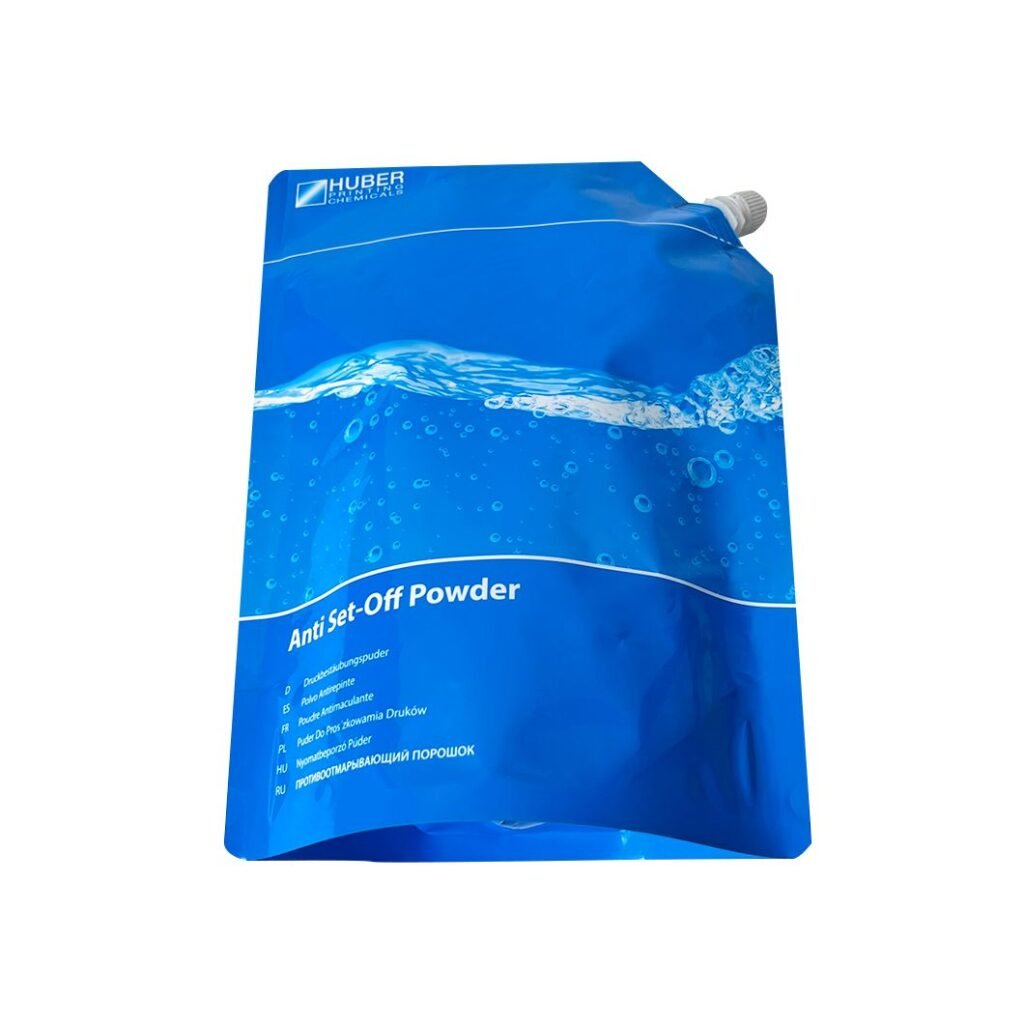

leak-proof spouted pouch packaging: Overview
Leak-proof spouted pouch packaging is becoming a procurement priority because buyers of liquid and semi-liquid products need stronger protection against leakage, better dispensing convenience, and more confidence when replacing rigid bottles or jars. In 2026, the market focus has moved from pouch adoption alone to fitment and closure performance under filling, shipping, and consumer use conditions.
That shift is visible in July 2026 source activity. Aptar and Cheer Pack North America highlighted leak-free spouted pouch dispensing as a product-development focus, while broader 2026 Europe pouch-trend coverage shows continued market attention on pouch functionality, sustainability, and application expansion. Together, those signals suggest that procurement teams now see leakage prevention as a core commercial requirement rather than a technical detail.
Key Industry Developments
The most important development is not that one supplier launched or partnered, but that leak prevention has become central to pouch format selection. When a closure specialist and a pouch-system supplier publicly center a leak-free dispensing message, it reflects pressure from brand owners, fillers, and retailers to reduce failure risk in products that are squeezed, shipped, stacked, and repeatedly opened. For buyers, that means spouted pouches are no longer a simple flexible-packaging substitution; they are a performance system combining pouch film, fitment, cap, sealing process, and filling conditions.
The National Law Review's coverage of top Europe pouch packaging trends in 2026 helps place this in a wider market context. Europe remains an important indicator for how pouch demand evolves across sustainability, convenience, and format conversion, and those trends matter globally because they influence converter investment, retail expectations, and specification standards. As pouches move into more demanding food, household, and personal-care applications, leakage risk becomes more commercially visible across freight claims, shelf presentation, and consumer acceptance.
This is especially relevant for XIYONG Packaging Co., Ltd.'s core categories of flexible packaging films, pouches, and printed packaging. Buyers sourcing PET, BOPP, CPP, and barrier film structures for spouted applications increasingly need suppliers that can discuss not only graphics and pouch shape, but also seal behavior, fitment integration, and pack durability through the logistics chain. The article trendline is clear: the pouch market is maturing from a lightweighting story into a reliability story.
Market Analysis
For procurement teams, leak-proof spouted pouch packaging changes the specification checklist. Buyers should evaluate product viscosity, filling temperature, closure reclose performance, drop and compression stress during transport, and whether the fitment area creates a weak point in an otherwise robust barrier pouch. A low-cost pouch that leaks around the cap, spout weld, or seal area can erase any unit-cost advantage through product loss, customer complaints, and retailer penalties.
The format shift also affects adjacent packaging decisions, including labels and secondary identification. As more liquid pouches enter retail and distribution channels, converters and brand owners need print surfaces and labeling approaches that remain readable on curved, flexible packs and survive handling. That creates opportunities across printed pouches, film selection, and logistics labels, while also raising the need for accurate variable information, batch coding, and shipping identification in mixed-format supply chains.
Technology and Sustainability Focus
Leak-proof spouted pouch packaging is a pouch format designed for liquids or semi-liquids in which the pouch body, spout fitment, and closure are engineered to prevent product escape during filling, transport, storage, and repeated dispensing. In practice, leak resistance depends on the full package system rather than on the cap alone.
From a converting standpoint, buyers should press suppliers on a few technical points. First is fitment integrity: how consistently the spout is attached and whether sealing performance is maintained across production runs. Second is film compatibility: the pouch structure must deliver the required barrier, toughness, and sealability without undermining the fitment zone. Third is end-use stress: a pouch that performs well on the line may still fail under squeezing, pallet compression, or long-distance export distribution. For food packaging in particular, this matters because leakage is both a product-loss issue and a shelf-life issue.
Sustainability is part of the same decision, not a separate one. A pouch can reduce material use versus rigid packaging, but buyers also face pressure on recycled content and pack design choices, as seen in supporting coverage of retailers Lidl and Kaufland exceeding a 25% recycled-content target for their own plastic packaging. That does not automatically translate into every spouted pouch specification, yet it signals the direction of travel: flexible packaging buyers are being asked to improve both resource efficiency and functional performance at the same time. In labeling, the Ravenwood and Wedderburn linerless-label item points to parallel efforts to cut waste in adjacent packaging components, reinforcing that material efficiency and operational reliability are now being negotiated together.
Outlook
Over the next buying cycle, the strongest demand is likely to favor pouch suppliers that can combine dispensing convenience with lower leakage risk and clear technical communication. Buyers do not need abstract claims; they need practical assurance on closure fit, filling-line suitability, and transport resilience. That should reward converters able to coordinate pouch design, barrier film selection, and print execution as one specification package.
For XIYONG Packaging Co., Ltd., the commercial relevance is direct. In flexible packaging films and pouches, the market is asking for structures that support leak-resistant dispensing without sacrificing graphics, barrier needs, or export practicality. In labels and logistics identification, the growth of pouch-based liquid packaging also increases demand for reliable printed information and handling labels that keep supply chains accurate even as pack formats diversify. Procurement timing may therefore favor earlier supplier engagement, especially where buyers are shifting from rigid containers to spouted pouch systems and want to reduce qualification risk.
Conclusion
The July 2026 packaging signal is straightforward: leak-proof spouted pouch packaging has moved from a convenience feature to a sourcing requirement. Buyers choosing between rigid and flexible liquid formats should focus less on pouch novelty and more on system performance, especially fitment integrity, closure reliability, film compatibility, and transport stress. For converters and sourcing teams working with XIYONG Packaging Co., Ltd., the opportunity lies in treating the spouted pouch as an integrated packaging system where materials, sealing, printing, and end-use conditions are specified together.
Sources
- Aptar Closures Partners with Cheer Pack North America to Deliver Leak‑Free Spouted Pouch Dispensing
- Aptar Closures partners with Cheer Pack North America to enhance leak-free solution
- Pouch Packaging - Top Europe Industry Trends in 2026
- Ravenwood partners with Wedderburn to advance linerless labeling in Australia
- Lidl, Kaufland exceed 25% recycled content target for own plastic packaging
Related Product Pages
If the trend is moving toward a new material or format, these product pages help buyers compare practical options without losing sight of performance and recyclability.
Next sourcing steps
Use the article as a specification checklist, then send product use, size, thickness or gsm, quantity, destination country and required documents for review.