
Packaging Films for B2B Buyers: Materials, Performance Tradeoffs, and Sourcing Guidance from XIYONG Packaging Co., Ltd.
Packaging films for food, retail, and industrial use: compare materials, barrier needs, print options, and sourcing factors with XIYONG Packaging Co., Ltd.
Introduction
Packaging films are selected by matching product sensitivity, filling process, seal performance, and distribution risk to the right film structure. For most buyers, the practical decision comes down to barrier level, print requirements, thickness range, and whether the film will run as rollstock, laminate, or a finished pouch format. XIYONG Packaging Co., Ltd. supplies packaging films for commercial applications where material fit matters more than broad claims.
For procurement teams, film sourcing is not only about price per kilogram or roll. It affects line speed, sealing consistency, shelf presentation, product protection, waste rates, and freight efficiency. A film that performs reliably on packing lines often creates more value than a marginally lower unit price with unstable converting results.
What Is Packaging Films?
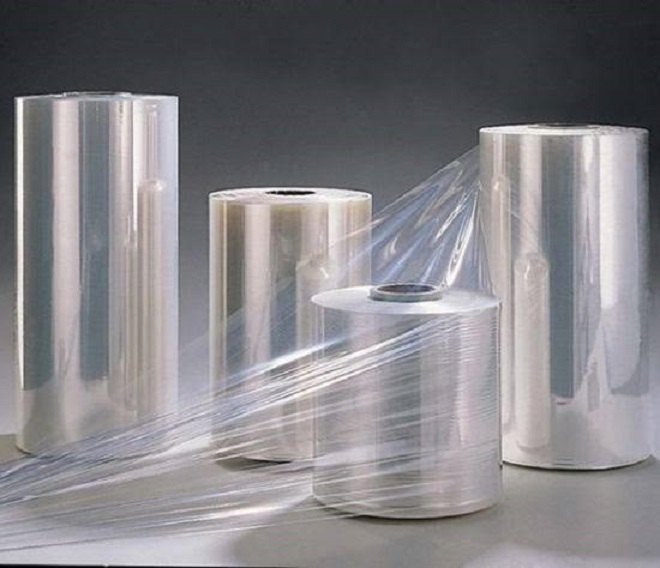
Packaging films are flexible material webs used to wrap, seal, laminate, protect, and present products. Common structures include PE, BOPP, PET, CPP, and multi-layer combinations selected for barrier, printability, sealability, strength, and processing compatibility.
In practical B2B use, packaging films may be supplied as printed or unprinted rolls for form-fill-seal systems, lamination structures for higher barrier needs, or components used in pouches, sachets, and overwrap formats. Material choice depends on the product inside, the packing equipment, and the shelf-life target.
Key Specifications for Packaging Films
Buyers evaluating packaging films should review specifications in commercial terms, not just material names. The same resin family can perform very differently depending on thickness, layer design, treatment, sealing window, and end-use environment.
- Materials and structures: PE for heat sealing and moisture resistance; BOPP for stiffness and print surface; PET for strength and temperature resistance; CPP for seal performance; laminated structures for combined barrier and mechanical needs.
- Thickness and format: film gauge affects puncture resistance, yield, runnability, and freight economics. Orders may be specified by micron, roll width, core size, winding direction, and total roll length depending on converting and filling equipment.
- Barrier and protection: oxygen, moisture, aroma, grease, and light sensitivity should be matched to product risk. Dry foods, snacks, powders, frozen items, and non-food goods often require different barrier levels and seal integrity targets.
- Print and converting requirements: surface or reverse printing, lamination method, sealant layer, coefficient of friction, and corona treatment all influence machine performance and final pack appearance.
Applications
Packaging films are used across food, personal care, household, retail, and light industrial categories because they balance product protection with efficient transport and storage. Flexible formats usually reduce cube and shipping weight compared with rigid packaging, but the film structure must still fit the product's handling risks and shelf-life expectation.
For many brands, the film is not a standalone material choice but part of a wider packaging system. A buyer may need films that convert cleanly into pouches, sachets, wraps, or lidding applications while maintaining print quality and sealing stability through production and export distribution.
- Food packaging for snacks, confectionery, dry goods, frozen products, powders, and other shelf-sensitive or moisture-sensitive items.
- Consumer goods packaging for toiletries, household products, refills, multipacks, and retail overwrap applications.
- Industrial and commercial use for protective wrapping, bundled goods, and film structures that must hold up through warehousing and transport.
Buying Considerations
The main sourcing mistake in packaging films is choosing material by habit instead of by actual product and line conditions. A buyer should confirm what the product needs to resist, how it will be packed, how long it must remain stable, and what type of abuse it will face in storage and shipment.
Commercially, clear specifications reduce rework and supply friction. XIYONG Packaging Co., Ltd. can work more effectively when buyers define application, film structure preferences, thickness, print needs, roll dimensions, and expected order volume early in the inquiry process.
- Define the use case clearly: product type, shelf-life target, filling temperature, sealing method, storage environment, and whether the film will run on vertical or horizontal form-fill-seal equipment.
- Check performance tradeoffs: higher barrier or stronger structures can improve protection but may raise cost, change stiffness, or affect machinability and sealing windows.
- Align order details before production: artwork status, color expectations, roll width tolerance, MOQ considerations, shipment schedule, and destination market requirements.
Why XIYONG
XIYONG Packaging Co., Ltd. focuses on packaging categories global B2B buyers actually source: labels, flexible packaging films, pouches, and paper packaging. That category focus matters because film supply decisions often connect directly to later converting, printing, and pack format requirements.
For buyers managing offshore procurement, the practical value is in structured communication and category familiarity. XIYONG Packaging Co., Ltd. can support film inquiries with commercially relevant discussion around materials, application fit, print needs, and packaging format alignment rather than treating every request as a generic commodity order.
- Product-line relevance across packaging films and related flexible packaging formats.
- B2B-oriented supply approach suited to procurement, sourcing, and packaging development discussions.
- China-based manufacturing support for global buyers comparing material options, print requirements, and order specifications.
Conclusion
For buyers sourcing packaging films, the best result comes from matching film structure to product risk, packing process, and commercial goals. XIYONG Packaging Co., Ltd. offers packaging films within a broader flexible packaging portfolio, giving B2B teams a practical starting point for material selection, print planning, and supply discussions grounded in real packaging use.
Related Product Pages
If you are planning a live packaging project, these product pages can help you compare structures, materials, and application fit more quickly.
FAQ
How do I choose the right packaging films for my product?
Start with the product's actual protection needs. Review moisture, oxygen, grease, aroma, puncture, and sealing requirements, then match them to materials such as PE, BOPP, PET, CPP, or laminated structures. Also confirm machine type, filling conditions, shelf-life target, and whether you need printed rollstock or a converting-ready film.
What information should I send when requesting a packaging films quotation?
Provide the application first. Buyers should send product type, intended use, film structure if known, thickness, roll width, core size, print requirement, estimated order volume, and destination market. If the film will run on packaging machinery, include machine type and any sealing or friction constraints that affect performance.
Are laminated packaging films always better than single-layer films?
No, laminated packaging films are not always better. They are often chosen when a product needs combined properties such as printability, barrier, strength, and sealability, but a simpler single-layer film can be more efficient for less demanding uses. The right choice depends on shelf life, handling risk, and total packaging cost.
Related procurement resources
Use these pages to connect material selection, quality checks, compliance evidence and quotation details before confirming a packaging order.
Next sourcing steps
Use the article as a specification checklist, then send product use, size, thickness or gsm, quantity, destination country and required documents for review.