Thermal paper products
Review this product page for specifications, MOQ discussion, sample request, and related buyer resources.
View product
Thermal Paper Applications is a practical buyer resource for sourcing thermal paper in industrial packaging projects. The focus keyword for this page is thermal paper uses, but the guidance is written for real purchasing work rather than keyword stuffing. It explains where the material fits, which specifications must be confirmed, what quality risks appear during converting or use, and how to prepare an RFQ that a factory can quote without repeated clarification. The notes combine Chinese national standards, professional packaging references, and buyer-side production logic. Use this guide when comparing suppliers, preparing samples, checking documents, or connecting resource content back to product pages and solution pages on XIYONGPACK.
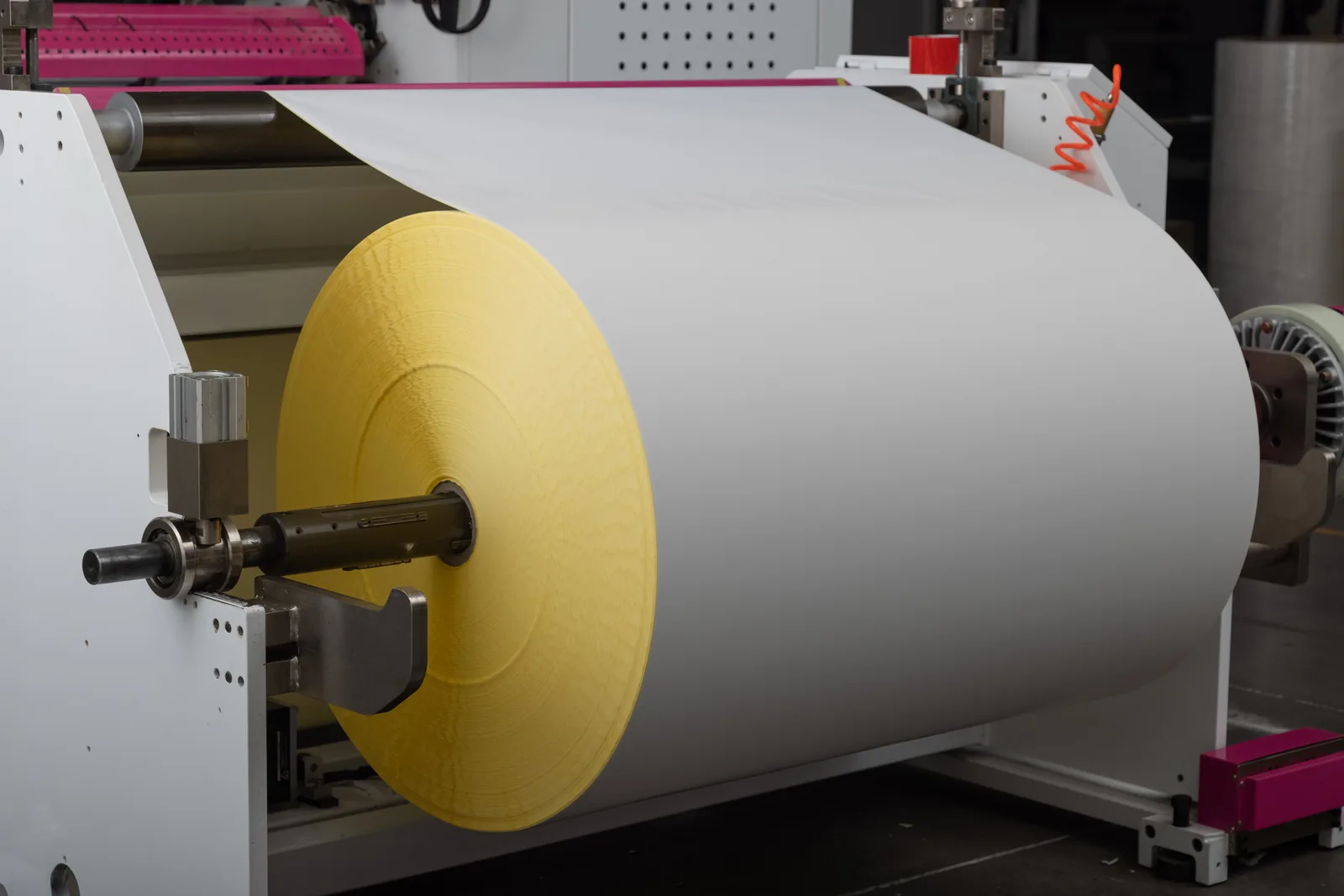
Thermal Paper Applications refers to the practical use, selection, and quality review of heat-sensitive paper for receipts, POS rolls, ATM rolls, logistics labels, tickets, and direct thermal printing. Buyers usually search thermal paper uses when they need a straight answer before sending drawings, specifications, or sample requests to a factory.
The important point is that thermal paper is not a single universal material. Performance changes with grade, thickness, coating, surface treatment, lamination, storage condition, and end-use requirements. A good sourcing decision connects the material to the product, packing machine, printing method, compliance target, and shipment route.
thermal paper should be specified from the end use backwards. Start with what the final package or label must do: protect food aroma, keep barcodes readable, resist freezer conditions, seal on a high-speed machine, accept ink, carry adhesive, or maintain shelf appearance. Once the job is clear, thickness, width, coating, treatment, and packing details become much easier to discuss.
Chinese standards and professional testing references are useful because they turn subjective words into measurable checks. For film, buyers often look at thickness, tensile properties, haze, gloss, wetting tension, coefficient of friction, and barrier targets. For thermal paper, the discussion moves toward basis weight, caliper, dynamic sensitivity, image density, phenol-free or BPA-free status, and storage conditions. For labels, face stock, adhesive type, liner, peel strength, die-cut tolerance, and roll direction drive performance.
The first sourcing mistake is asking only for a price per kilogram or price per thousand pieces. That price has little meaning without the full specification. A lower price may hide a thinner structure, weaker adhesive, lower print consistency, shorter image life, wider tolerance, or missing documents. Serious RFQ work compares performance and risk, not only unit price.
Confirm the functional specification before judging suppliers. For thermal paper, buyers should prepare thickness or basis weight, width, roll length, roll diameter, core diameter, treatment side, surface finish, coating, print method, packing style, target monthly volume, and destination country. If the product touches food, request food-contact documentation suitable for the market.
Application conditions matter. A shipping label used for three days in dry warehouses is different from a freezer label exposed to condensation and abrasion. A snack wrapper sold in supermarkets is different from a high-barrier pouch for coffee or supplements. A receipt roll used at a supermarket POS terminal is different from a jumbo roll that will be slit by a converter.
Tolerance also matters. Small differences in width, caliper, winding tension, core condition, or roll edge quality can create downtime on converting equipment. Buyers should ask the supplier how slitting tolerance is controlled, how rolls are packed, and what batch documents are available when repeat orders need to match the first approved sample.
| Primary keyword | thermal paper uses |
|---|---|
| Material family | thermal paper |
| Common format | Roll stock, sheet, pouch, label roll, or converting jumbo roll depending on application |
| Thickness / basis weight | Confirm by grade; film is usually specified in micron thickness, paper in gsm and caliper |
| Width and roll size | Confirm width, roll length, roll diameter, core diameter, winding direction, and tolerance |
| Surface / coating | Confirm corona treatment, top coat, metallized layer, adhesive, liner, or sealing layer when relevant |
| Printing method | Flexo, gravure, digital, direct thermal, thermal transfer, or unprinted converting stock |
| Quality documents | ISO 9001, food-contact, REACH, RoHS, BPA-free, phenol-free, FSC, or SGS reports as applicable |
| Sample policy | Request a sample matched to the intended product, printer, label applicator, or packaging line |
| RFQ note | Include application, quantity, destination, packing requirement, and expected lead time |
Common applications include retail packaging, food packaging, e-commerce labels, logistics shipping labels, pharmaceutical identification, cosmetic packaging, supplement packaging, and industrial material conversion. The same keyword can lead to very different specifications, so application language should be specific. Write '80 mm POS roll for retail receipt printer' instead of 'thermal paper'. Write 'matte BOPP print layer for snack package' instead of 'BOPP film'.
For brand owners, the material decision affects shelf appeal, barcode readability, sustainability messaging, and the ability to reorder without color or fit problems. For converters, the decision affects slitting, lamination, die cutting, printing, winding, packing, and machine uptime. For importers and distributors, it affects MOQ planning, container loading, documentation, and inventory risk.
The best application notes include real conditions: product weight, fill temperature, storage humidity, transport distance, expected shelf life, packaging line speed, and the type of printer, laminator, label applicator, or filling machine being used. Those details allow a factory to suggest a workable sample instead of guessing.
Quality problems usually appear where specification language is incomplete. Film may have poor ink adhesion if corona treatment is wrong or too old. Labels may lift from cartons if adhesive and surface energy do not match. Thermal paper may fade if exposed to heat, sunlight, plasticizers, or chemicals. Pouches may leak if seal layer, heat seal temperature, and filling speed are not aligned.
Ask for a sample that reflects real production rather than a random stock sample. Test it with the printer, applicator, packaging line, carton, bottle, pouch, or product surface that will be used in mass production. Check roll edge quality, winding tightness, print response, barcode grade, seal strength, adhesive anchorage, and storage behavior.
Documentation should support the risk level. Food packaging may require food-contact statements and migration-related documents. Export orders may require ISO 9001, ISO 14001, FSC, REACH, RoHS, BPA-free, phenol-free, or SGS reports depending on the product and market. The buyer should request only relevant documents, but those documents should be named clearly in the RFQ.
A useful RFQ for thermal paper should include the application, product size, thickness or basis weight, width, roll diameter, core diameter, print method, treatment or coating requirement, packing method, expected order quantity, destination country, and required documents. If artwork is involved, include PDF or AI files, color references, barcode position, and finish preference.
Buyers should also explain what problem they want to solve. Is the current material too easy to tear, too cloudy, too slippery, too expensive, too hard to seal, too weak in cold storage, or unable to pass a buyer audit? A clear problem statement helps the technical team choose the right sample and prevents a supplier from quoting only the closest stock item.
After sampling, record what was tested and what changed. Keep the approved specification, sample photos, packing method, carton label, test notes, and any certification documents together. That record becomes the baseline for repeat orders and helps protect the project from drift when teams, suppliers, or artwork versions change.
The standards and professional references used for this resource do not say that every buyer needs the same material. They show why measurable properties matter. BOPP and BOPET standards define film identity and testing context. Thermal paper standards focus attention on paper and imaging performance. Adhesive standards remind buyers that peel force, tack, and holding power are testable properties rather than opinions.
Packaging literature also shows that barrier performance depends on structure, temperature, humidity, coating, and thickness. This is why a buyer should not treat a single material name as a full specification. 'PET film', 'BOPP film', 'thermal paper', or 'shipping label' is only the starting point. The production-ready specification is the real buying document.
The most important specification depends on the application. For thermal paper, start with thickness or basis weight, width, roll size, surface or coating, print method, storage condition, and the performance risk that matters most for the product.
Yes. A sample request should include product use, size, material target, printer or packing machine, destination country, and required documents. A realistic sample is more useful than a generic stock sample.
Request only documents that match the application. Typical documents may include ISO 9001, ISO 14001, FSC, REACH, RoHS, food-contact statements, BPA-free, phenol-free, or SGS reports depending on material and destination market.
Compare full specifications, sample behavior, tolerance, packing method, lead time, document availability, repeat-order control, and communication quality. Unit price alone is not enough for industrial B2B sourcing.
Most disputes come from incomplete specifications, unclear artwork approval, wrong material assumptions, weak sample testing, or missing packing details. Written confirmation before production reduces these risks.
Use a comparison page when two materials or technologies could both work. Use a guide when the material family is already chosen and the buyer needs to define the correct grade and specification.
Include the application, material grade, thickness, width, roll diameter, printing or converting method, annual quantity, destination country, and required documents. For films, add haze, gloss, heat-seal temperature, oxygen transmission rate, moisture vapor transmission rate, and corona treatment targets when relevant.
Yes. Buyers can request material samples for thermal paper, pressure-sensitive labels, BOPP film, PET film, and related packaging materials before confirming a bulk order. The sample request should include the intended application and target specification so the factory can match the sample to real production use.
Common documents include ISO 9001, ISO 14001, FSC, REACH, RoHS, BPA-free, phenol-free, food-contact, and SGS test reports depending on the product category and destination market. The exact document package should be confirmed before sampling or mass production.
Compare material options by application, machine compatibility, thickness or basis weight, tolerance, print method, seal or adhesive performance, storage environment, compliance requirements, lead time, MOQ, and total landed cost instead of only comparing unit price.
Review the related product pages, compare the relevant guide or comparison page, then submit the sample and quotation form with your target specification. This gives the sales and technical team enough detail to prepare a practical factory quotation.
For purchasing teams, the safest habit is to connect thermal paper uses to a written sample approval record. The record should include the approved material name, grade, size, roll direction, packing method, photos, test notes, and final artwork version. When the next order is placed, this record prevents the discussion from starting again and reduces the chance of a quiet specification change.
Converters should also check production fit. A material that looks acceptable on a desk may still fail on a slitter, laminator, label applicator, thermal printer, or pouch-making machine. Check static, curl, edge quality, winding tension, print response, seal behavior, and machine speed before approving a bulk shipment.
Importers and distributors need one more layer of control: inventory planning. MOQ, lead time, carton size, pallet layout, container loading, and document timing can affect total cost more than a small difference in unit price. For repeat programs, ask the supplier how batch consistency and document retention are managed.
Brand-side buyers should not separate packaging appearance from packaging performance. Matte finish, clarity, gloss, opacity, and print density help the product sell, but they must be balanced against barrier, sealing, label adhesion, barcode readability, and shipping durability. The right material should satisfy both marketing and operations.
When sustainability is part of the project, avoid vague claims. Ask whether the structure is mono-material, whether it can meet shelf-life requirements, whether the printing or adhesive system changes recyclability, and whether the target market has specific labeling or recycling rules. A recyclable direction still needs technical testing.
For purchasing teams, the safest habit is to connect thermal paper uses to a written sample approval record. The record should include the approved material name, grade, size, roll direction, packing method, photos, test notes, and final artwork version. When the next order is placed, this record prevents the discussion from starting again and reduces the chance of a quiet specification change.
Use these standards and document references to prepare a clear RFQ, confirm compliance requirements, and request the right test reports before sampling or bulk production.
Send the application, size, thickness or basis weight, quantity, printing requirement, destination country, and required documents. XIYONG PACK will review the specification and reply with sample or quotation details.
Get a Factory QuoteSend your specification, quantity, destination, and required documents. The team will review MOQ, lead time, sample availability, and quotation details.
Use these connected pages to compare materials, check application fit, and prepare a complete RFQ with material, size, thickness or gsm, quantity, packing method, and destination market.