
Self-Adhesive Labels for Packaging: Practical Guide for Brands, Buyers, and Production Teams
Self-adhesive labels for packaging that support efficient application, consistent branding, and reliable performance across retail and industrial uses.
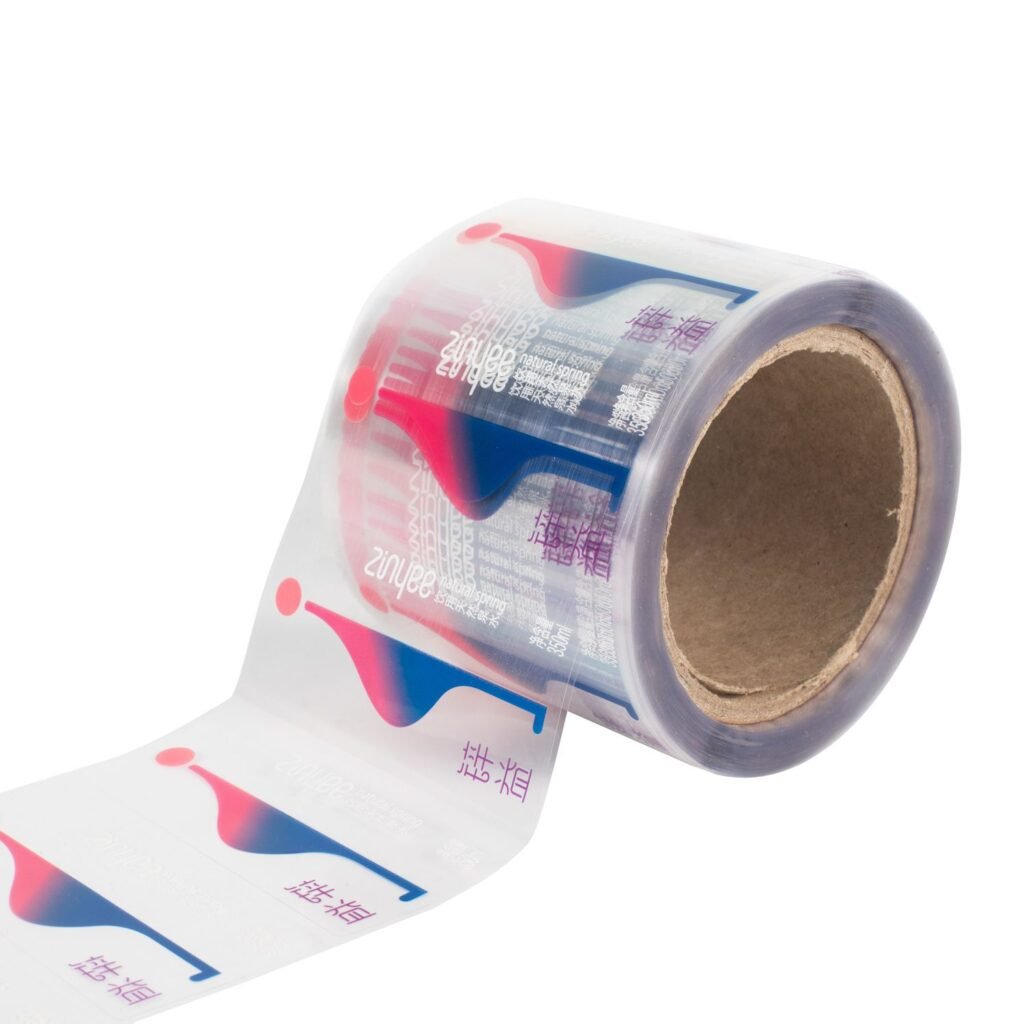

Introduction
Self-adhesive labels remain one of the most practical and widely used packaging components across food, beverage, personal care, household, logistics, and industrial markets. They are selected because they combine branding, product information, and operational efficiency in a format that is easy to apply at scale.
For procurement teams and brand owners, the real value lies in consistency. A well-specified self-adhesive label must run reliably on the application line, stay legible through handling and distribution, and present the brand clearly at the shelf or point of use.
What It Is
A self-adhesive label is a pressure-sensitive label made from a face material, adhesive layer, and release liner. It is designed to bond to a surface without heat, water, or additional glue, which makes it suitable for automated and manual application.
XIYONG’s self-adhesive labels are positioned for commercial packaging use where clean application, stable adhesion, and print quality matter. The right construction depends on the container surface, storage conditions, regulatory content, and the speed of the packaging line.
Key Specifications
When comparing self-adhesive labels, buyers should evaluate more than appearance. These are the specifications that usually affect performance and cost.
- Face stock options: paper, film, or specialty materials chosen for print result, durability, and package finish.
- Adhesive type: permanent, removable, or repositionable depending on container material and service conditions.
- Release liner: selected for die-cutting, dispensing efficiency, and compatibility with labeling equipment.
- Format and finishing: supplied in rolls or sheets, with die-cuts, varnish, lamination, and print methods matched to the application.
Applications
Self-adhesive labels are used across primary packaging, secondary packaging, and logistics labeling. They are common on bottles, jars, cartons, pouches, boxes, and shipping packs where fast application and clear identification are required.
They also support brand differentiation and compliance needs, especially where variable data, barcodes, batch codes, or multilingual product information must be integrated into the label layout.
- Food and beverage packaging, including jars, bottles, tubs, and takeaway packs.
- Cosmetics and personal care packaging where appearance, moisture resistance, and adhesion are important.
- Warehouse, retail, and logistics labels for barcodes, tracking, and product identification.
Buying Considerations
The main buying risk is specifying a label that looks right on paper but fails in production or transit. Surface energy, temperature exposure, moisture, oils, and curved packaging all influence adhesion and legibility.
Procurement teams should also confirm print compatibility, labeling method, order volume, and lead time. A label that supports the current line may still need adjustment if the packaging format, adhesive requirement, or compliance copy changes.
- Check the packaging surface and environment before choosing adhesive strength.
- Confirm whether the labels will be applied by hand or on automated equipment.
- Align artwork, regulatory text, and barcode requirements before production release.
Why XIYONG
XIYONG’s self-adhesive labels are relevant to buyers looking for a packaging supply partner that understands both print presentation and production practicality. The category demands consistency, and that is where specification discipline matters most.
For commercial packaging programs, XIYONG supports label sourcing with a focus on usable formats, dependable materials, and application-ready supply for real production conditions.
- Packaging-focused supply approach for commercial label applications.
- Options that can be matched to product type, packaging surface, and application method.
- Suitable for brand, compliance, and operational labeling requirements.
Conclusion
Self-adhesive labels are a core packaging component, but performance depends on getting the material, adhesive, and format right for the job. For buyers, the best results come from treating labels as a technical spec item, not just a print purchase.
Related Product Pages
If you are planning a live packaging project, these product pages can help you compare structures, materials, and application fit more quickly.
FAQ
What are self-adhesive labels used for in packaging?
They are used to carry branding, product information, barcodes, batch details, and compliance text on a wide range of packs. Because they apply quickly and cleanly, they are widely used in both manual and automated packaging operations.
How do I choose the right adhesive for a label?
Start with the package surface and the conditions the pack will face after labeling. Smooth plastics, glass, cardboard, chilled products, and high-moisture environments can all require different adhesive performance. Testing on the actual pack is the safest way to confirm suitability.
Can self-adhesive labels work on automated packaging lines?
Yes, provided the label format, liner, and adhesive are matched to the application equipment. Roll size, spacing, die-cut accuracy, and unwind performance all affect line efficiency. Buyers should confirm machine requirements before placing production orders.
Next sourcing steps
Use the article as a specification checklist, then send product use, size, thickness or gsm, quantity, destination country and required documents for review.