
Spouted Pouch Packaging Trends Shift from Convenience Niche to Mainstream Buying Decision
Spouted pouch packaging trends are moving into mainstream sourcing as food and beverage brands prioritize leak resistance, easy opening, portability, and filling flexibility.
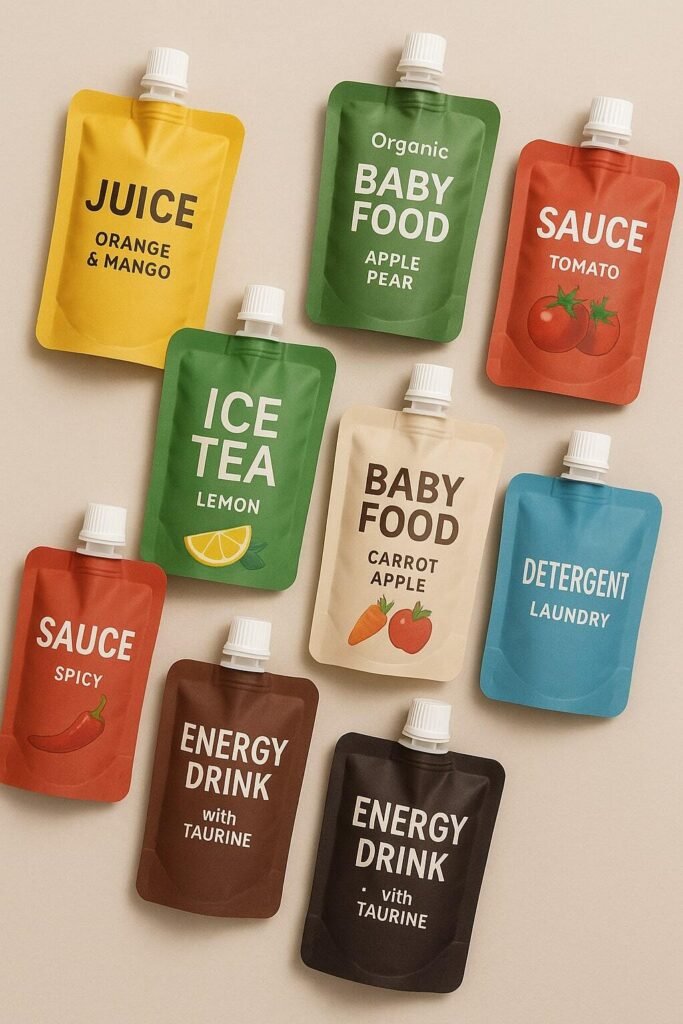

spouted pouch packaging trends: Overview
Spouted pouch packaging trends now point to a mainstream format choice for food and beverage buyers. Recent developments across tomato paste, dispensing closures, easy-tear sachets, and alcohol filling show that procurement teams are evaluating pouches not just for portability, but for leak control, opening ease, and line compatibility.
That matters directly to converters and buyers working with XIYONG Packaging Co., Ltd. because the selection decision has moved upstream. Brands are no longer asking only whether a pouch looks modern; they are asking which fitment, barrier film, seal structure, printing format, and filling method can reduce leakage, improve consumer use, and support wider distribution.
Key Industry Developments
The strongest evidence of this shift is the variety of applications now appearing under the same pouch logic. Packaging World highlighted Kraft Heinz's stand-up tomato paste pouch alongside an easy-tear sachet example from Z2 Performance, showing that controlled dispensing and easier access are no longer limited to one product category. What links these examples is not branding; it is the move toward packaging formats that solve everyday use problems at the point of consumption.
Component suppliers are reinforcing the same direction. Aptar Closures and Cheer Pack North America positioned leak-free dispensing as a central value proposition for spouted pouches, underlining that the closure system is becoming a critical procurement criterion rather than a secondary accessory. For buyers, that changes supplier discussions from simple pouch dimensions and artwork to fitment integrity, cap usability, leakage risk in transit, and compatibility with the packaged product's viscosity.
Filling capability is also broadening the addressable market. PKN Packaging News reported that Quips is building alcohol pouch-filling capability, a useful signal that pouch demand is extending into applications with stricter filling, handling, and product-protection requirements. When converters and co-packers expand for products such as alcoholic beverages, it usually indicates that brand owners see the pouch as a scalable route to new channels, trial sizes, event formats, and portable consumption occasions.
Market Analysis
For sourcing teams, the practical takeaway is that spouted and easy-open formats now sit at the intersection of flexible packaging films, pouches, and labels. A successful specification may require PET, BOPP, or CPP-based structures depending on stiffness, heat resistance, sealability, and graphics needs, while barrier requirements may push buyers toward higher-protection film combinations or metallized options where shelf-life demands justify them. Supporting market references on metallized flexible packaging and retort packaging strengthen this point: as pouch use cases widen, barrier selection becomes more application-specific, not less.
Reclosability is part of the same commercial movement. Even though a reclosable zipper market report is broader than spouted formats, it reflects a common buyer priority: packaging that supports repeat use, portion control, and transport after opening. For XIYONG Packaging Co., Ltd., this has direct relevance across custom pouches, barrier films, and printed packaging because buyers increasingly want one supplier conversation covering structure, opening feature, closure option, graphics, and labeling rather than managing those decisions in isolation.
Technology and Sustainability Focus
The technical question behind spouted pouch packaging trends is straightforward: when does the added functionality justify the higher format complexity? In general, the answer is when the product benefits from controlled pouring or dosing, needs stronger leakage protection than a basic sachet, or is likely to be consumed across multiple occasions. Tomato paste is a clear example because dispensing precision and reclosing can reduce mess and waste, while beverage and alcohol applications add pressure on seal consistency, drop resistance, and cap performance during transport.
Buyers should also remember that easy-open and spouted formats place more pressure on converting discipline. Seal quality, fitment insertion, cap torque, tear initiation, print registration, and secondary labeling all affect performance in market. This is where XIYONG Packaging Co., Ltd.'s product scope becomes commercially relevant: flexible packaging films and pouches must be specified alongside food packaging graphics and label choices so that the final pack can run efficiently, communicate clearly, and remain legible through logistics and shelf handling.
Outlook
The near-term market outlook is less about explosive novelty and more about procurement normalization. Interpack 2026 messaging from Korozo Group around future-ready flexible packaging, combined with continued component and filling investments elsewhere, suggests that the industry now sees advanced pouch formats as an established development path. That means more RFQs are likely to include requests for dispensing features, opening convenience, and differentiated barrier options instead of treating them as premium exceptions.
For buyers planning 2026 and 2027 packaging programs, the main risk is under-specifying the format. A pouch that looks right on shelf can still fail commercially if the spout leaks, the tear path is inconsistent, the film structure is mismatched to product sensitivity, or the filling network is not ready. The best procurement approach is to qualify pouch structure, closure, print requirements, and filling compatibility together, particularly in food packaging categories where shelf life, transport integrity, and consumer handling are tightly linked.
Conclusion
Spouted pouch packaging trends are now being driven by practical purchasing logic rather than novelty. Across food, condiments, sachets, and emerging beverage applications, the market is rewarding pouch formats that combine easier use with reliable sealing and scalable filling. For global buyers working with XIYONG Packaging Co., Ltd., that makes format choice a strategic decision across pouches, barrier films, and printed packaging: the winning specification is no longer the cheapest pouch, but the one that balances dispensing performance, product protection, labeling clarity, and supply-chain fit.
Sources
- Kraft Heinz's Stand-u Pouch for Tomato Paste, Aldi Uses Thermochromic Label for Wine Temperature, and Z2 Performance's Easy-tear Sachet
- Reclosable Zipper Packaging Market Size, Share | Growth [2034]
- Aptar Closures Partners with Cheer Pack North America to Deliver Leak‑Free Spouted Pouch Dispensing
- Metalized Flexible Packaging Market Size, Share | Growth [2034]
- Ready for the future: Korozo Group at interpack 2026
Related Product Pages
If the trend is moving toward a new material or format, these product pages help buyers compare practical options without losing sight of performance and recyclability.
Next sourcing steps
Use the article as a specification checklist, then send product use, size, thickness or gsm, quantity, destination country and required documents for review.