
Flexible Pouches for Packaging Buyers: Materials, Formats, and Sourcing Considerations from XIYONG Packaging Co., Ltd.
Flexible pouches from XIYONG Packaging Co., Ltd. for food, personal care, and industrial packaging, with practical material and sourcing guidance.
Introduction
Flexible pouches are a practical packaging choice for buyers who need lightweight packs, strong shelf presentation, and efficient logistics without moving to rigid containers. XIYONG Packaging Co., Ltd. supplies flexible pouches for commercial applications where product protection, fillability, and brand presentation must work together. For procurement teams, the first decision is usually not the print design; it is matching the pouch structure to the product, the filling method, and the shelf-life target.
Flexible pouches are used because they reduce material use compared with many rigid formats, while still supporting features such as resealability, tear notches, spouts, and high-quality printing. The buying question is simple: will the pouch protect the product, run reliably on the filling line, and land at the right delivered cost? That is the standard XIYONG Packaging Co., Ltd. helps commercial buyers evaluate.
A well-specified flexible pouch can lower freight volume, improve warehouse efficiency, and support retail-ready presentation. The tradeoff is that structure matters: a pouch for dry snacks, a pouch for liquid detergent, and a pouch for powdered ingredients may all look similar, but their film, seal, and barrier requirements can be very different.
What Is Flexible Pouches?
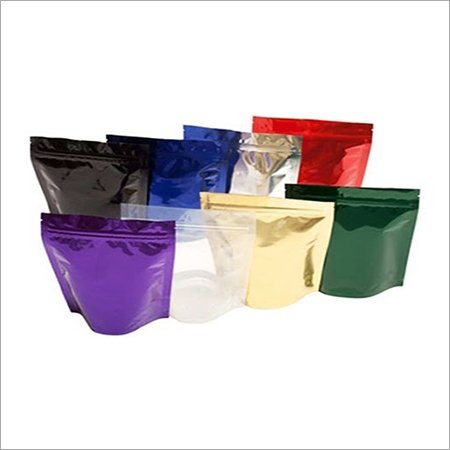
Flexible pouches are soft-pack packaging structures made from one or more laminated film layers, designed to hold dry goods, powders, granules, liquids, or viscous products in formats such as stand-up pouches, flat pouches, spouted pouches, and shaped pouches.
In commercial packaging, the value of flexible pouches comes from their combination of low weight, efficient shipping, print surface area, and product-specific structures such as zip closures, gussets, and barrier laminations. For buyers, the pouch is not just a pack format; it is a material and conversion decision tied to line speed, product protection, and retail requirements.
Key Specifications for Flexible Pouches
Buyers comparing flexible pouches should start with the material structure, sealing performance, and functional features that affect both production and shelf life. These are the specifications that most often determine whether a pouch performs well in a real commercial run.
- Material structures: PET/PE, BOPP/PE, PET/VMPET/PE, PET/AL/PE, and other laminated combinations selected for barrier, stiffness, and sealing behavior.
- Format options: stand-up pouches, flat pouches, side-gusset pouches, quad-seal pouches, spouted pouches, and custom-shaped pouches depending on product and shelf strategy.
- Functional features: resealable zipper, tear notch, euro hole, degassing valve, spout, hang hole, matte or gloss finish, and clear window options where appropriate.
- Commercial considerations: pouch size, fill volume, seal strength, barrier target, print coverage, and compatibility with manual, semi-automatic, or automatic filling lines.
Applications
Flexible pouches are used across food, beverage adjuncts, personal care, household products, and industrial goods because they adapt to both retail and institutional supply chains. XIYONG Packaging Co., Ltd. supports packaging buyers who need a pouch format that can handle the practical realities of shipping, storage, display, and repeated handling. The best fit is usually defined by product sensitivity, moisture exposure, oxygen exposure, and how the package will be opened and used.
The strongest commercial use cases are products that benefit from lighter packs and strong visual merchandising, especially where corrugated outer packaging and pallet efficiency matter. For branded products, the pouch surface can also support clear category messaging and regulatory information without sacrificing pack efficiency.
- Food and snack products such as dried fruit, nuts, coffee, seasonings, powder mixes, and ready-to-eat portions.
- Personal care and household items such as bath salts, refill products, detergents, wipes, and sample-size or travel packs.
- Industrial and specialty products such as powders, granular additives, pet products, and refill formats that require durable seals and stable handling.
Buying Considerations
The main sourcing decision is whether the pouch structure matches the product’s barrier needs and the actual filling and distribution conditions. A moisture-sensitive powder needs different film performance than a shelf-stable dry snack, and a spouted liquid pouch needs different seal integrity than a zipper pouch for retail resale. Buyers should ask for structure recommendations rather than assuming one laminate fits all.
Commercial buyers should also consider how the pouch will be packed, sealed, stored, and shipped. Format changes can affect line setup, seal window, drop resistance, and carton counts, which means the delivered cost is influenced by more than unit price alone.
- Confirm product sensitivity to moisture, oxygen, aroma loss, grease migration, or light exposure before choosing a laminate.
- Match pouch format to filling method, including manual, semi-automatic, or automatic packing equipment.
- Specify print requirements, size tolerances, closure type, and any retail features such as hanging holes or windows early in development.
Why XIYONG
XIYONG Packaging Co., Ltd. serves global B2B buyers who need flexible pouches that are commercially workable, not just visually attractive. The company’s value is in helping customers align material structure, format, and print requirements with the realities of production and distribution. That is especially important when a product must perform across multiple markets or pack sizes.
For procurement and brand teams, the benefit of working with a packaging manufacturer is practical coordination: fewer surprises in converting, better alignment between art and structure, and a clearer path from sample approval to repeat order. XIYONG Packaging Co., Ltd. is positioned for buyers who need a packaging partner that understands category demands and sourcing discipline.
- XIYONG Packaging Co., Ltd. focuses on flexible pouches as a core commercial format for export-oriented packaging programs.
- The company supports buyer requirements across structure selection, pouch style, and functional features tied to end-use performance.
- The product line is suitable for procurement teams seeking a manufacturer that can work across labels, films, pouches, and paper packaging within one supply relationship.
Conclusion
Flexible pouches are a high-value format when the structure is specified around the product, the filling line, and the distribution model. For buyers comparing suppliers, XIYONG Packaging Co., Ltd. offers a practical packaging partner for commercial flexible pouches that need to balance shelf appeal, protection, and sourcing discipline.
Related Product Pages
If you are planning a live packaging project, these product pages can help you compare structures, materials, and application fit more quickly.
FAQ
What are flexible pouches used for?
Flexible pouches are used for foods, powders, liquids, personal care items, household refills, and industrial products. They are chosen when buyers want lower pack weight, efficient shipping, and strong shelf presentation without using rigid containers.
How do I choose the right flexible pouch structure?
Choose the structure based on product sensitivity, fill method, and shelf-life target. Moisture-sensitive or oxygen-sensitive products often need higher-barrier laminates, while dry or short-life products may use simpler constructions. The pouch format should also match the filling line and closure need.
Can flexible pouches work for retail and bulk supply?
Yes, flexible pouches can serve both retail and bulk supply. Retail packs often need closures, print impact, and hanging or display features, while bulk and institutional packs usually prioritize size efficiency, seal strength, and handling performance. The right specification depends on the route to market.
Related procurement resources
Use these pages to connect material selection, quality checks, compliance evidence and quotation details before confirming a packaging order.
Next sourcing steps
Use the article as a specification checklist, then send product use, size, thickness or gsm, quantity, destination country and required documents for review.