
CPP Film for Flexible Packaging: Key Properties, Uses, and Buying Factors for B2B Buyers
CPP film is a practical sealant and display layer for food and consumer packaging. Review key properties, applications, and sourcing factors from XIYONG Packaging Co., Ltd.
Introduction
CPP film is typically used when buyers need a cast polypropylene layer that seals reliably, presents well on shelf, and runs efficiently in flexible packaging converting. For procurement teams, the main question is not whether CPP film is common, but whether its seal performance, stiffness, transparency, and barrier profile fit the pack structure, filling line, and end use. XIYONG Packaging Co., Ltd. supplies CPP film for practical packaging applications where sealing behavior and converting compatibility matter.
In commercial packaging, CPP film is often selected as an inner sealant web or as part of a laminated structure for snacks, bakery, confectionery, frozen food, apparel, and general consumer goods. The right specification depends on film thickness, seal initiation temperature, coefficient of friction, treatment level, and whether the film is plain, metallized, or designed for retort or other demanding conditions.
What Is CPP Film?
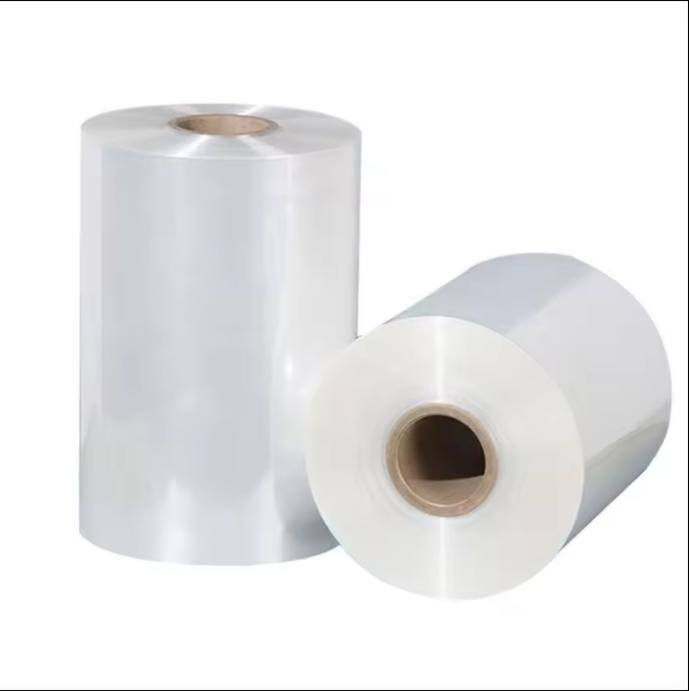
CPP film, or cast polypropylene film, is a polypropylene packaging film made through a cast extrusion process. It is widely used in flexible packaging for its heat-sealability, gloss, transparency, moisture resistance, and suitability as a sealant layer in laminated pouch and bag structures.
Compared with some alternative films, CPP film is valued for balanced sealing performance and visual appearance, especially where a clear or glossy package face is important. Buyers should also note its limits: standard CPP is not a high oxygen barrier material on its own, so it is often paired with PET, BOPP, nylon, aluminum foil, or metallized layers to meet full performance targets.
Key Specifications for CPP Film
When reviewing CPP film with a supplier, buyers should ask for the specifications that affect machine performance, pack integrity, and final appearance rather than relying on a generic material description.
- Thickness range: commonly supplied across packaging gauges such as roughly 20 to 80 microns depending on use, laminate design, and mechanical requirements.
- Sealing performance: check seal initiation temperature, hot tack, seal strength, and suitability for high-speed packing or heavier pouch loads.
- Surface and optics: confirm gloss, haze, transparency, slip level, and corona treatment if the film will be laminated, printed, or used in display packaging.
- Functional variants: ask whether the CPP film is standard, metallized, retort-grade, anti-fog, perforated, or customized for a specific packaging structure.
Applications
CPP film is widely used in laminated flexible packaging because it performs well as a heat-sealable inner layer. In many food packs, it works with outer webs such as PET or BOPP to create pouches, pillow bags, and flow-wrap structures that need dependable seals and a clean appearance.
Outside food, CPP film also appears in textile, stationery, personal care, and general retail packaging where moisture resistance and product visibility are useful. Metallized CPP can also be selected when a buyer needs improved light barrier or a metallic shelf look without moving to foil-based structures.
- Food packaging: snacks, bakery items, confectionery, frozen foods, dry foods, and laminated pouch structures.
- Consumer goods packaging: apparel, stationery, small accessories, hygiene products, and overwrap applications.
- Specialty formats: stand-up pouches, side-seal bags, flow wraps, inner sealant webs, and selected retort or metallized structures where specified.
Buying Considerations
The first buying decision is structural fit. A CPP film that works in one pouch may underperform in another if the filling temperature, product weight, laminate partner, or sealing jaw conditions are different. Buyers should match the film to the actual conversion and packing process, not just the product category.
Commercially, it is also important to evaluate consistency lot to lot. Film gauge control, winding quality, slip stability, and sealing behavior can affect downtime, waste rates, and delivered pack performance. These factors matter as much as nominal price when purchasing at scale.
- Confirm whether you need standard CPP, metallized CPP, or a specialty grade for retort, anti-fog, or higher-performance sealing conditions.
- Review compatibility with the full laminate structure, including printing, adhesive lamination, pouch conversion, and end-use storage conditions.
- Ask for core commercial details early: thickness tolerance, roll dimensions, treatment level, minimum order expectations, and intended application guidance.
Why XIYONG
XIYONG Packaging Co., Ltd. serves B2B packaging buyers across flexible packaging materials and converted formats, which is useful when CPP film must fit into a broader packaging specification rather than be purchased as an isolated commodity. That matters for buyers managing laminated structures, pouches, and print-linked packaging decisions.
For sourcing teams, the practical advantage is supplier alignment around application requirements, structure design, and order execution. XIYONG Packaging Co., Ltd. can support CPP film discussions in the context of flexible packaging use, helping buyers focus on specification clarity, conversion compatibility, and commercial fit.
- Product focus aligned with flexible packaging, labels, pouches, films, and related packaging requirements.
- Suitable for B2B buyers who need CPP film considered within real package structures and end-use applications.
- A practical sourcing partner for specification-based discussions on materials, packaging use, and supply coordination.
Conclusion
CPP film remains a practical choice for flexible packaging buyers who need reliable sealing, good optics, and broad converting use in laminated structures. The right CPP film specification depends on seal requirements, laminate design, product sensitivity, and line conditions. XIYONG Packaging Co., Ltd. supports B2B buyers seeking CPP film with commercially relevant guidance tied to actual packaging applications.
Related Product Pages
If you are planning a live packaging project, these product pages can help you compare structures, materials, and application fit more quickly.
Topic Cluster Links
Related Industries
Related FAQ
Related Downloads
Related Guides
Related Comparisons
Related News
Related Case Study
Technical Evidence
CTA
FAQ
What is CPP film mainly used for in packaging?
CPP film is mainly used as a heat-sealable layer in flexible packaging. Buyers commonly specify it for pouches, flow wraps, bags, and laminated food or consumer goods packaging where seal integrity, gloss, transparency, and moisture resistance are needed in a commercially practical film.
How is CPP film different from BOPP film?
CPP film is generally preferred when stronger heat-sealing performance is required, while BOPP film is often chosen for stiffness and print presentation. In many structures, BOPP works well as an outer web and CPP as an inner sealant layer, so the choice depends on function within the laminate.
What should buyers confirm before ordering CPP film?
Buyers should confirm thickness, seal properties, surface treatment, slip level, roll dimensions, and end-use application before ordering CPP film. It is also important to review laminate compatibility, filling and sealing conditions, and whether a standard, metallized, or specialty CPP grade is required for the job.
Next sourcing steps
Use the article as a specification checklist, then send product use, size, thickness or gsm, quantity, destination country and required documents for review.