
CPP Film for Packaging: Buyer Guide to Cast Polypropylene Film Uses, Specs, and Sourcing
CPP Film is widely used for food and consumer packaging where heat sealability, clarity, and moisture resistance matter. Review specs and buying factors.
Introduction
CPP Film is a practical choice when buyers need flexible packaging with strong heat-seal performance, good gloss, and moisture resistance at a commercially workable cost. It is commonly used as a sealing layer in laminated pouches, food packs, textile packaging, and general consumer goods wraps. For procurement teams, the main decision is not whether CPP Film is usable, but which grade, thickness, seal range, and print or lamination treatment fit the pack structure and filling process.
XIYONG Packaging Co., Ltd. supplies packaging materials for global B2B buyers across flexible packaging and related product lines. For CPP Film projects, buyers typically compare clarity, stiffness, seal integrity, coefficient of friction, corona treatment, and whether the film is intended for lamination, printing, or direct packaging use.
What Is CPP Film?
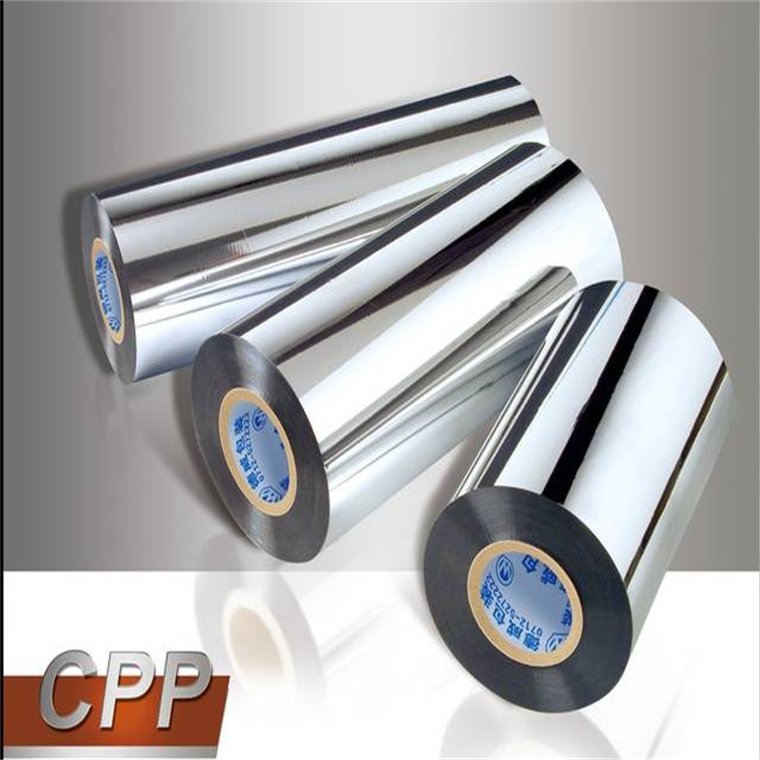
CPP Film, or cast polypropylene film, is a polypropylene-based plastic film made through the cast extrusion process. It is used in flexible packaging for its heat sealability, transparency, moisture resistance, and suitability as a sealing or inner web in laminated structures.
Compared with some oriented films, CPP Film generally offers softer feel, better seal performance, and strong lay-flat behavior, but lower stiffness. In commercial packaging, it is frequently paired with PET, BOPP, or metallized films when buyers need a balance of appearance, seal strength, and functional protection.
Key Specifications for CPP Film
When specifying CPP Film, buyers should align the film grade with the packaging line, product sensitivity, and final pack structure rather than treating all CPP Film as interchangeable.
- Material: cast polypropylene film, available in transparent, matte, white, or metallizable grades depending on end use.
- Typical thickness range: often about 20 to 80 microns for packaging applications, with selection driven by seal requirements, puncture demands, and laminate design.
- Functional properties: good heat sealability, moisture resistance, gloss, and dimensional flatness; barrier performance may need support from PET, VMPET, aluminum foil, or other layers.
- Processing options: corona-treated for printing or lamination, customized roll widths and lengths, and grades designed for pouch making, overwrapping, or general flexible packaging.
Applications
CPP Film is widely used as the inner sealing layer in multilayer flexible packaging. Common examples include snack pouches, bakery packs, confectionery wraps, frozen food packaging, and dry food bags where moisture resistance and seal consistency are important.
Outside food, CPP Film also serves apparel bags, stationery packaging, personal care overwraps, and some industrial packs. Buyers often choose it where appearance and seal reliability matter more than high oxygen barrier, or where barrier can be built through lamination.
- Laminated food pouches for snacks, baked goods, confectionery, noodles, and dry goods
- Inner sealant web for PET/CPP, BOPP/CPP, or metallized laminate structures
- General consumer goods packaging such as garments, gifts, stationery, and household product wraps
Buying Considerations
The main buying questions are practical: what product is being packed, how it runs on the line, and what the final pack must withstand. Seal initiation temperature, hot tack, slip level, anti-block performance, and film gauge can affect line speed, seal failure rate, and pack appearance.
Buyers should also evaluate tradeoffs. CPP Film performs well for heat sealing and moisture resistance, but it is not automatically the best choice when high stiffness or strong oxygen barrier is required. In those cases, structure design matters more than film price alone.
- Confirm whether the film is for printing, lamination, or direct use, and specify corona treatment accordingly.
- Match thickness and seal properties to the filling line, product weight, drop resistance, and pouch format.
- Review whether the application needs added barrier, retort capability, metallization compatibility, or freezer performance before finalizing the structure.
Why XIYONG
XIYONG Packaging Co., Ltd. serves B2B packaging buyers who need practical coordination across films, pouches, labels, and paper packaging. That matters when CPP Film is only one component in a broader packaging program and the buyer needs consistent communication on structure, converting, and supply requirements.
For sourcing discussions, XIYONG Packaging Co., Ltd. can support conversations around film application, roll format, and downstream packaging use. Buyers benefit when specifications are discussed in commercial terms such as seal performance, laminate role, and end-market fit, not only generic material descriptions.
- Focused on real packaging product categories used by global B2B buyers
- Able to support CPP Film within wider flexible packaging and packaging material needs
- Commercial communication centered on application, specifications, and order practicality
Conclusion
CPP Film remains a strong packaging material when the job requires reliable sealing, clean appearance, and moisture resistance in flexible pack structures. For buyers evaluating CPP Film, the right decision depends on the film's role in the laminate, target product, and packaging line conditions. XIYONG Packaging Co., Ltd. provides CPP Film within a broader packaging supply context that helps procurement teams connect specification decisions with actual commercial use.
Related Product Pages
If you are planning a live packaging project, these product pages can help you compare structures, materials, and application fit more quickly.
Topic Cluster Links
Related Industries
Related FAQ
Related Downloads
Related Guides
Related Comparisons
Related News
Related Case Study
Technical Evidence
CTA
FAQ
What is CPP Film mainly used for in packaging?
CPP Film is mainly used as a heat-sealable layer in flexible packaging. Buyers commonly use it in food pouches, overwraps, garment bags, and laminated structures where seal strength, gloss, and moisture resistance are more important than very high oxygen barrier.
How is CPP Film different from BOPP film?
CPP Film is generally softer and better for heat sealing, while BOPP film is usually stiffer and often preferred for high clarity and machinability in certain wraps. In practice, many packaging structures use BOPP for appearance or print performance and CPP Film for the inner sealant layer.
What should buyers specify when ordering CPP Film?
Buyers should specify thickness, roll width, intended use, and surface treatment first. It is also important to confirm seal requirements, slip or anti-block performance, clarity level, whether the film will be laminated or printed, and any application conditions such as frozen storage or higher filling speeds.
Next sourcing steps
Use the article as a specification checklist, then send product use, size, thickness or gsm, quantity, destination country and required documents for review.