
What Is CPP Material? CPP Film Uses, Specifications & Buying Guide
CPP material means cast polypropylene film. Learn its packaging uses, heat-seal role, buying specifications and the RFQ details B2B converters should confirm.
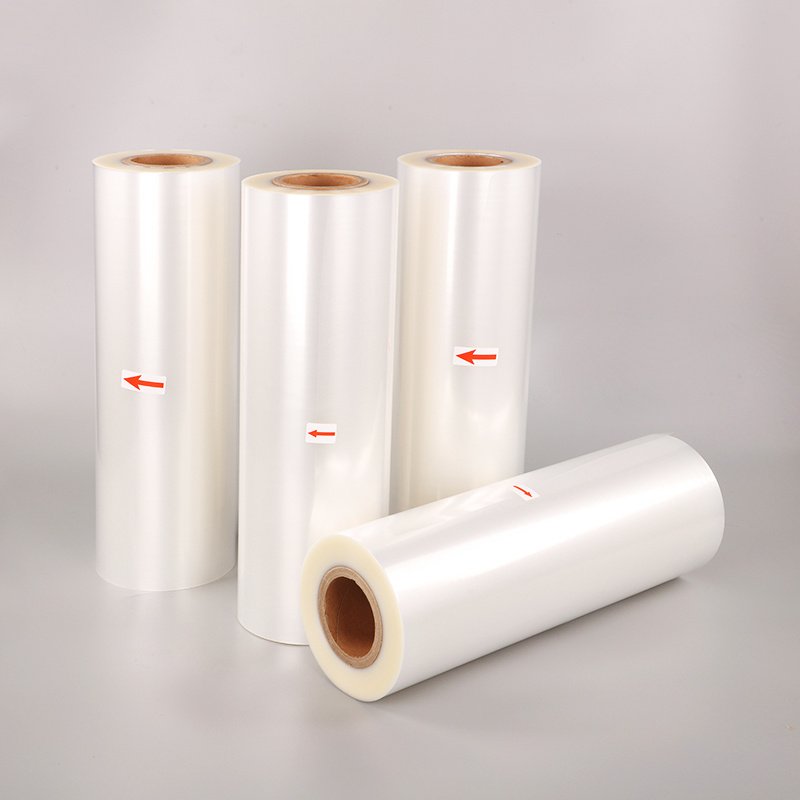
Direct answer: CPP material means cast polypropylene film. In flexible packaging it is commonly specified as a heat-sealable or lamination layer when the buyer needs clarity, moisture resistance and a defined seal-performance window.
For converter-ready supply, samples or a quotation, review the CPP film material page after the required thickness, structure, heat-seal conditions, roll build and destination are known.
Introduction
CPP film is typically the right choice when a buyer needs a cast polypropylene film with reliable heat sealing, good clarity, moisture resistance, and cost-effective use in flexible packaging structures. It is widely used as a sealant web or inner layer in pouches, snack packs, bakery packaging, and laminated consumer goods packaging where machinability and seal integrity matter.
For procurement teams, the main decision is not whether CPP film is common, but whether the grade fits the structure, filling process, and end-use conditions. XIYONG Packaging Co., Ltd. supplies packaging materials for global B2B buyers, and CPP film is most relevant where sealing behavior, gauge control, print or lamination compatibility, and commercial consistency affect line performance.
What Is CPP Film?
CPP film, or cast polypropylene film, is a polypropylene-based film made through cast extrusion. In packaging, it is used for heat-sealable mono-web or laminated structures because it offers transparency, moisture resistance, and dependable sealing across a practical range of applications.
Compared with some other flexible films, CPP film is valued for softness, sealability, and balanced cost-performance rather than high stiffness. Buyers often specify it as plain CPP, metallized CPP, retort-grade CPP, or specialty sealing layers depending on barrier targets, appearance, and pack format.
Key Specifications for CPP Film
When specifying CPP film, buyers should align film properties with the packaging structure, converting method, and filling environment rather than purchasing on thickness alone.
- Material format: cast polypropylene film available as transparent, white, matte, metallized, or heat-sealable inner web depending on application.
- Typical thickness range: often sourced in flexible packaging grades from about 20 to 80 microns, with exact gauge selected by pouch strength, feel, and machine requirements.
- Performance areas: heat-seal strength, seal initiation temperature, coefficient of friction, clarity, haze, moisture resistance, and lamination compatibility are common purchasing criteria.
- Commercial options: corona treatment, slitting width, roll diameter, core size, and structure matching for laminates should be confirmed before order approval.
Applications
CPP film is widely used in food packaging because it combines moisture resistance with strong sealing performance. Common uses include bakery packs, confectionery, dry foods, snacks, fresh produce overwrap structures, and laminated pouches where the CPP layer functions as the sealant side.
Outside food, CPP film is also used in personal care, household, and promotional packaging where gloss, transparency, and soft feel are useful. In metallized form, it can support improved light and barrier performance in selected structures, though final barrier depends on the full laminate, not one layer alone.
- Laminated stand-up pouches, flat pouches, and pillow packs using CPP film as the inner sealing layer.
- Bakery, snack, confectionery, noodle, and dry food packaging where seal reliability and moisture resistance are important.
- Consumer goods packaging for wipes, textiles, personal care refills, and other products needing a clear or glossy flexible film.
Buying Considerations
The most important buying question is how the CPP film will run in the finished structure. Seal temperature window, hot tack needs, anti-block behavior, slip level, and whether the film must withstand retort, hot fill, or freezer conditions can materially change grade selection.
Buyers should also consider tradeoffs against alternatives such as BOPP, PE, or multilayer sealant films. CPP film generally offers better heat-seal behavior and toughness than some stiffer films, but it may not be the best standalone choice where very high barrier, extreme puncture resistance, or premium stiffness is the primary requirement.
- Confirm whether the CPP film is for single-web use or lamination, and specify the mating layers such as PET, BOPP, or metallized films.
- Match the film grade to process conditions including fill temperature, pack weight, product grease level, storage climate, and target shelf presentation.
- Review converting details early: printing side, corona level, sealant side, roll dimensions, and any needs for metallization or specialty sealing performance.
Why XIYONG
XIYONG Packaging Co., Ltd. serves B2B buyers across labels, flexible packaging films, pouches, and paper packaging, which is relevant when CPP film must fit into a wider packaging program rather than a single-material purchase. That broader category knowledge can help procurement teams align film selection with pouch construction, print requirements, and shipment planning.
For buyers sourcing from China, practical communication on specifications matters as much as price. XIYONG Packaging Co., Ltd. focuses on real packaging product categories, allowing discussions around film type, application, order details, and structure suitability in commercial terms packaging teams actually use.
- Product focus aligned with flexible packaging supply, including films, pouches, labels, and paper packaging.
- Commercially relevant support for specification discussions such as film type, application, lamination role, and order format.
- Suitable for buyers seeking a China-based packaging manufacturer with practical understanding of B2B packaging requirements.
Conclusion
CPP film remains a practical choice for packaging buyers who need dependable sealing, clear appearance, and good moisture resistance in flexible structures. When sourced with the right gauge, seal profile, and converting details, CPP film can support efficient pouch production and stable packaging line performance. XIYONG Packaging Co., Ltd. works with global B2B buyers in this product category and can support commercially grounded CPP film sourcing discussions.
Related Product Pages
If you are planning a live packaging project, these product pages can help you compare structures, materials, and application fit more quickly.
Topic Cluster Links
Related Industries
Related FAQ
Related Downloads
Related Guides
Related Comparisons
Related News
Related Case Study
Technical Evidence
CTA
FAQ
What is CPP film mainly used for in packaging?
CPP film is mainly used as a heat-sealable layer in flexible packaging. Buyers commonly use it in laminated pouches, pillow packs, bakery packs, snack packaging, and other structures where seal strength, moisture resistance, and clear presentation are needed without relying on high film stiffness.
How is CPP film different from BOPP film?
CPP film is generally softer and better suited for sealing, while BOPP film is typically stiffer and often preferred for print appearance and machinability in some outer webs. In practice, buyers often choose CPP film for the inner sealing layer and BOPP for other structural or presentation roles.
What should buyers confirm before ordering CPP film?
Buyers should confirm the application, thickness, sealing requirements, surface treatment, roll dimensions, and whether the CPP film will be used alone or in a laminate. It is also important to review filling conditions, storage environment, and any needs for metallized, retortable, or specialty sealing grades before approval.
Next sourcing steps
Use the article as a specification checklist, then send product use, size, thickness or gsm, quantity, destination country and required documents for review.