
Flexible Pouches for B2B Packaging: Materials, Formats, and Buying Priorities
Flexible pouches help brands reduce pack weight, protect products, and improve shelf impact. Review materials, formats, and sourcing factors for B2B buyers.
Introduction
Flexible pouches are a practical choice when buyers need lower packaging weight, efficient shipping, and reliable product protection across food, personal care, household, and industrial applications. For procurement teams, the main decision is not whether to use flexible pouches, but which pouch structure, format, and sealing specification fit the product, filling line, and distribution conditions.
XIYONG Packaging Co., Ltd. supplies flexible pouches as part of its broader packaging portfolio for global B2B buyers. The category covers common commercial formats such as stand-up pouches, flat pouches, zipper pouches, spouted pouches, and shaped options, with material combinations selected according to barrier needs, pack appearance, and cost targets.
What Is Flexible Pouches?
Flexible pouches are preformed packaging bags made from single-web or multi-layer films, typically using materials such as PET, BOPP, PE, CPP, NY, or aluminum foil to provide sealing, printability, and barrier protection for packed goods.
In commercial use, flexible pouches are chosen because they can combine graphics, product protection, and pack convenience in one structure. Buyers usually specify pouch style, dimensions, material lamination, thickness, closure type, and printing requirements based on the product's sensitivity to moisture, oxygen, light, puncture, or leakage.
Key Specifications for Flexible Pouches
When sourcing flexible pouches, buyers should align specifications with the actual filling process and product risks, not just shelf appearance.
- Material structures: common combinations include PET/PE, BOPP/CPP, PET/VMPET/PE, PET/AL/PE, and NY/PE depending on barrier, stiffness, sealability, and puncture resistance needs.
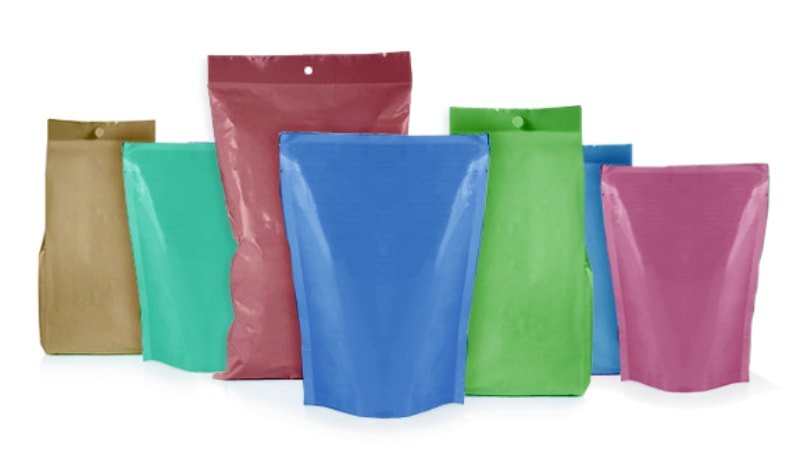
- Pouch formats: stand-up pouches, three-side seal pouches, flat bottom pouches, center seal pouches, zipper pouches, spouted pouches, and custom-shaped pouches for different retail and industrial uses.
- Functional options: resealable zippers, tear notches, hang holes, windows, spouts, degassing valves, matte or gloss finishes, and gusset designs that affect user experience and line compatibility.
- Commercial variables: pouch size, film gauge, print method, artwork coverage, order quantity, and export packing all influence unit economics, lead time, and storage efficiency.
Applications
Flexible pouches are widely used where pack weight and shelf efficiency matter. In food packaging, they are common for snacks, coffee, powders, frozen items, sauces, dried fruits, confectionery, pet treats, and supplements because the format can support both barrier performance and retail presentation.
Outside food, flexible pouches also serve personal care, home care, and industrial markets. Refill packs, wipes, bath salts, detergents, agricultural products, and small hardware assortments often use pouch packaging to reduce rigid packaging volume and improve case packing efficiency.
- Food and beverage: snacks, powders, coffee, tea, sauces, seasonings, frozen foods, dry ingredients, and pet food.
- Personal and household care: refill packs, wipes, bath products, detergents, cleaners, and travel-size packaged goods.
- Industrial and specialty uses: chemicals in controlled formats, agricultural products, parts kits, and products needing compact, printed protective packaging.
Buying Considerations
The most important purchasing issue is matching barrier level to product behavior. Moisture-sensitive powders, oxygen-sensitive foods, aroma-critical coffee, or light-sensitive products may require different lamination structures, and over-specifying the pouch can add cost without commercial benefit.
Buyers should also confirm line compatibility early. Filling method, sealing temperature range, product weight, drop risk, and transport conditions all affect whether a pouch performs well in production and distribution. A pouch that looks right in a sample review can still fail if seal strength, coefficient of friction, or puncture resistance are not aligned with use.
- Define the product requirement first: moisture barrier, oxygen barrier, grease resistance, light protection, puncture resistance, or leak prevention.
- Check operational fit: manual or automated filling, heat-seal window, pouch opening consistency, closure performance, and secondary packing method.
- Review commercial constraints: target cost, minimum order expectations, artwork versions, shipping lead time, and whether future SKU changes may affect print and inventory planning.
Why XIYONG
XIYONG Packaging Co., Ltd. serves B2B buyers across flexible packaging films, labels, pouches, and paper packaging, which gives procurement teams a more practical base for packaging discussions. For flexible pouches, this matters because structure, print, and application choices often intersect with broader packaging system decisions rather than one isolated SKU.
For buyers comparing suppliers, useful value usually comes from clear communication on materials, format options, application fit, and order execution. XIYONG Packaging Co., Ltd. positions flexible pouches within a manufacturing-focused packaging offering intended for commercial use, where specification clarity is more important than broad marketing language.
- Product scope grounded in real packaging categories: flexible pouches, films, labels, and paper packaging for B2B sourcing needs.
- Commercially relevant pouch options across formats, structures, and print presentations suited to varied end uses.
- A practical supplier profile for buyers who need specification discussion, export-oriented coordination, and consistent category focus from XIYONG Packaging Co., Ltd.
Conclusion
Flexible pouches remain one of the most efficient packaging formats for brands balancing product protection, shelf appeal, and logistics performance. The best flexible pouches are selected by matching material structure, pouch design, and filling conditions to the product's real commercial requirements. For B2B buyers sourcing from China, XIYONG Packaging Co., Ltd. offers a focused packaging manufacturing background that supports informed pouch procurement discussions.
Related Product Pages
If you are planning a live packaging project, these product pages can help you compare structures, materials, and application fit more quickly.
FAQ
What materials are commonly used in flexible pouches?
Common flexible pouches use PET, BOPP, PE, CPP, nylon, metallized film, or aluminum foil in laminated structures. The right choice depends on barrier and handling needs. PET adds stiffness and printability, PE supports sealing, nylon improves puncture resistance, and foil or metallized layers improve oxygen and light protection.
How do I choose the right flexible pouch format for my product?
Choose the format based on product type, filling method, and retail or logistics needs. Stand-up pouches work well for shelf display, flat pouches suit compact packing, and spouted pouches fit liquids or semi-liquids. Buyers should also review closure needs, case packing efficiency, and whether the pouch must withstand transport stress.
What should B2B buyers confirm before ordering flexible pouches?
Buyers should confirm material structure, pouch dimensions, thickness, seal performance, print requirements, and application conditions before ordering flexible pouches. It is also important to review filling temperature, product weight, barrier targets, transport risks, and expected order volumes so the pouch performs in both production and distribution.
Related procurement resources
Use these pages to connect material selection, quality checks, compliance evidence and quotation details before confirming a packaging order.
Next sourcing steps
Use the article as a specification checklist, then send product use, size, thickness or gsm, quantity, destination country and required documents for review.