Short answer: Printed frozen food packaging should resist cold cracking, puncture, moisture, seal failure, and print damage during frozen storage and distribution. The best structure depends on product shape, fill weight, temperature, and packing line.

This buyer guide is written for sourcing teams comparing custom packaging structures, MOQ, quality control, and supplier evidence before placing an order with a flexible packaging manufacturer.

Quick Comparison

Factor Buyer Meaning
PET/PE Common printed frozen food structure with good appearance and sealing.
PA/PE Useful for seafood and products with higher puncture risk.
BOPP/PE Can work for selected lighter frozen items and retail packs.
Mono PE Recyclable-direction trial when cold resistance and sealing are validated.
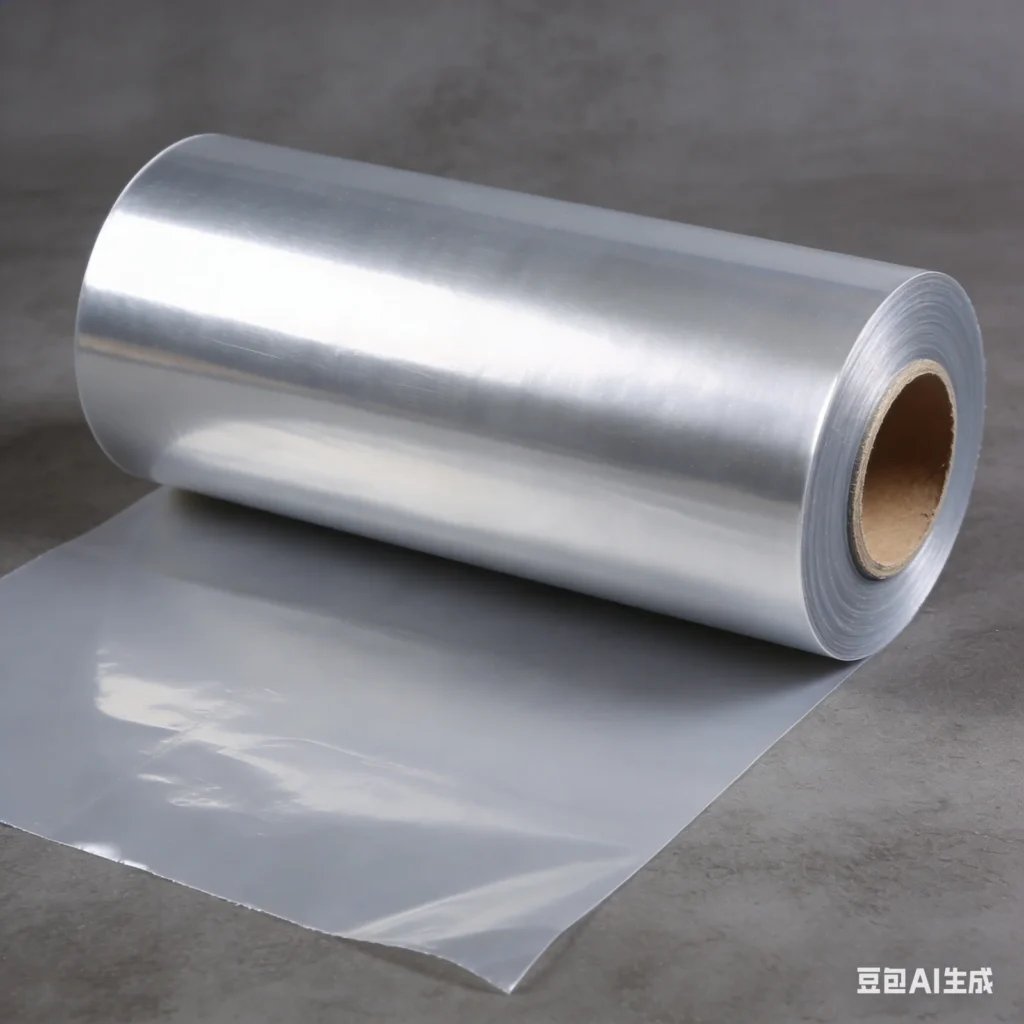
Roll stock Efficient for automated frozen food filling lines.

Why frozen food packaging is different

Freezer conditions can stress film flexibility, seals, and print surfaces. Ice crystals, product edges, carton pressure, and condensation all affect real packaging performance.

Pouch or roll stock

Pouches improve shelf display and resealability for some retail products. Roll stock is often better for high-speed filling lines and larger production runs.

QC checklist

Check cold resistance, seal strength, puncture resistance, print rub resistance, pouch dimensions, carton packing, and shelf appearance after freezer storage.

Related Resources

FAQ

What material is best for frozen food bags?

PET/PE and PA/PE are common, but the best material depends on puncture risk, storage temperature, product weight, and shelf life.

Can frozen food packaging be recyclable?

Some frozen food packaging can use mono PE structures after cold-resistance and seal testing.

Is roll stock better than pouches?

Roll stock is often better for automated filling, while pouches can improve shelf display and consumer convenience.

What should buyers test?

Test cold resistance, seal strength, puncture resistance, moisture protection, print durability, and carton packing.

Expanded Buyer Framework for Printed Frozen Food Packaging

For B2B buyers, printed frozen food packaging should be treated as a specification and procurement decision, not only a content keyword. The important question is how the packaging performs in production, storage, shipping, retail display, and compliance review. In this topic, frozen food buyers need low-temperature toughness, seal integrity, puncture resistance, and moisture-resistant print appearance.

A strong brief helps the supplier recommend a realistic structure. Buyers should share product type, pack size, filling method, storage condition, destination market, annual quantity, artwork status, and any test-report or documentation requirements. This prevents over-engineering and reduces the risk of a low quote that later becomes expensive because of failed samples or unclear requirements.

Decision Point What Buyers Should Confirm
Low-Temperature Seal Strength Confirm this point before quotation, sampling, and mass production so the supplier can match the package to the product instead of guessing.
Puncture Resistance Confirm this point before quotation, sampling, and mass production so the supplier can match the package to the product instead of guessing.
Film Stiffness After Freezing Confirm this point before quotation, sampling, and mass production so the supplier can match the package to the product instead of guessing.
Carton And Pallet Protection Confirm this point before quotation, sampling, and mass production so the supplier can match the package to the product instead of guessing.
Ink And Lamination Durability Confirm this point before quotation, sampling, and mass production so the supplier can match the package to the product instead of guessing.

Procurement Checklist

The checklist below can be used when comparing suppliers or preparing an RFQ. It is designed for purchasing managers, brand owners, importers, and packaging engineers who need a quote that can move into sampling quickly.

  • Low-Temperature Seal Strength: ask for a written note or sample evidence before approving the specification.
  • Puncture Resistance: ask for a written note or sample evidence before approving the specification.
  • Film Stiffness After Freezing: ask for a written note or sample evidence before approving the specification.
  • Carton And Pallet Protection: ask for a written note or sample evidence before approving the specification.
  • Ink And Lamination Durability: ask for a written note or sample evidence before approving the specification.
  • Commercial terms: compare MOQ, lead time, sample cost, tooling cost, carton packing, and shipping term at the same time.
  • Documentation: request the material structure, relevant declarations, and any test reports required by the destination market.

Common Supplier Questions

A capable packaging supplier should ask about product risk before quoting. If the supplier only asks for size and quantity, the project may miss key performance details. For printed frozen food packaging, useful supplier questions include target shelf life, filling temperature, storage temperature, retail channel, machine type, and whether the buyer needs recyclable, high-barrier, paper-based, or cost-optimized material.

Buyers should also ask the supplier to explain tradeoffs. A cheaper material may reduce barrier or stiffness. A more sustainable structure may require a different sealing window. A premium finish may increase MOQ or lead time. Clear tradeoff notes make internal approval easier and reduce revision cycles.

Topic Cluster Links

FAQ

What should buyers prepare before requesting a quote?

Prepare product type, size, material preference, target quantity, printing requirements, storage condition, destination market, and documentation needs. If the material is unknown, describe the product risk and current package.

How can buyers avoid overpaying?

Compare quotes using the same material structure, thickness, printing method, MOQ, and packing terms. Ask for price breaks at several quantities and avoid features that do not improve product protection or shelf impact.

Which XIYONG PACK page should buyers visit next?

The main pillar page for this topic is Frozen Food Packaging. It connects this article to related packaging formats, materials, and procurement guidance.


RFQ and Acceptance Notes

Before final approval, buyers should turn the article guidance into a short written RFQ and acceptance checklist. Include the product, dimensions, quantity, material target, printing requirement, storage condition, destination market, and the exact reason for changing or selecting the package. This gives the supplier enough context to recommend a structure, quote the same scope each time, and prepare samples that can be tested against real production and logistics conditions.

For repeat orders, keep the approved material structure, artwork version, color reference, carton packing method, and inspection standard in one place. This makes supplier comparison easier, protects quality consistency, and reduces the chance that a future reorder changes a critical packaging detail without review.


How Buyers Should Choose Packaging Materials

Use the product category page as a selection checkpoint before requesting samples. A clear RFQ should connect the material family with the application, specification, commercial terms and compliance documents.

DecisionWhat to Confirm
ApplicationFood, coffee, logistics, retail receipt, freezer, cosmetic, pharmaceutical or industrial use.
SpecificationThickness, width, roll length, adhesive type, coating, heat-seal need and printing method.
Commercial termsMOQ, sample cost, lead time, export packing, destination country and documentation.

Send Your Material Requirement

Include product type, size, material structure, quantity, printing and destination country to receive practical MOQ and lead-time feedback.

Request Factory Pricing