
Thermal Paper for Receipts, Labels, and Tickets: A B2B Buyer’s Guide from XIYONG
Source Thermal Paper for POS receipts, logistics labels, tickets, and weigh-scale rolls with guidance on coating, durability, core size, and compliance.
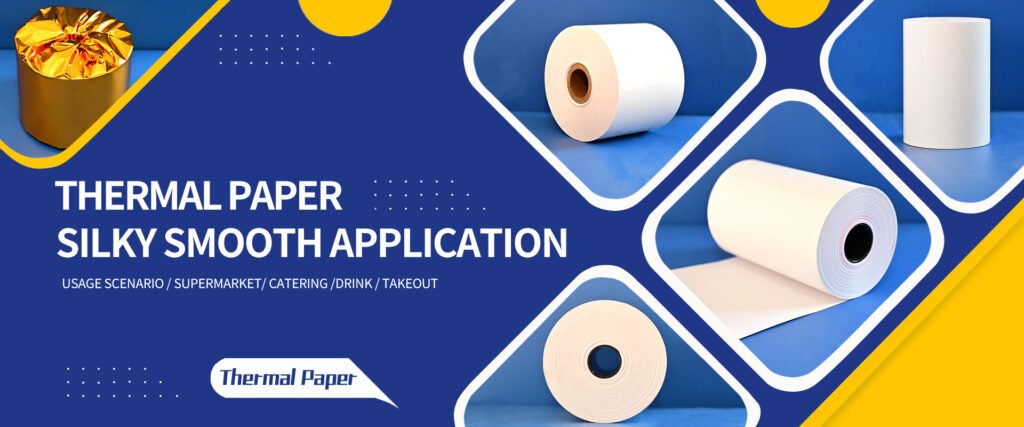
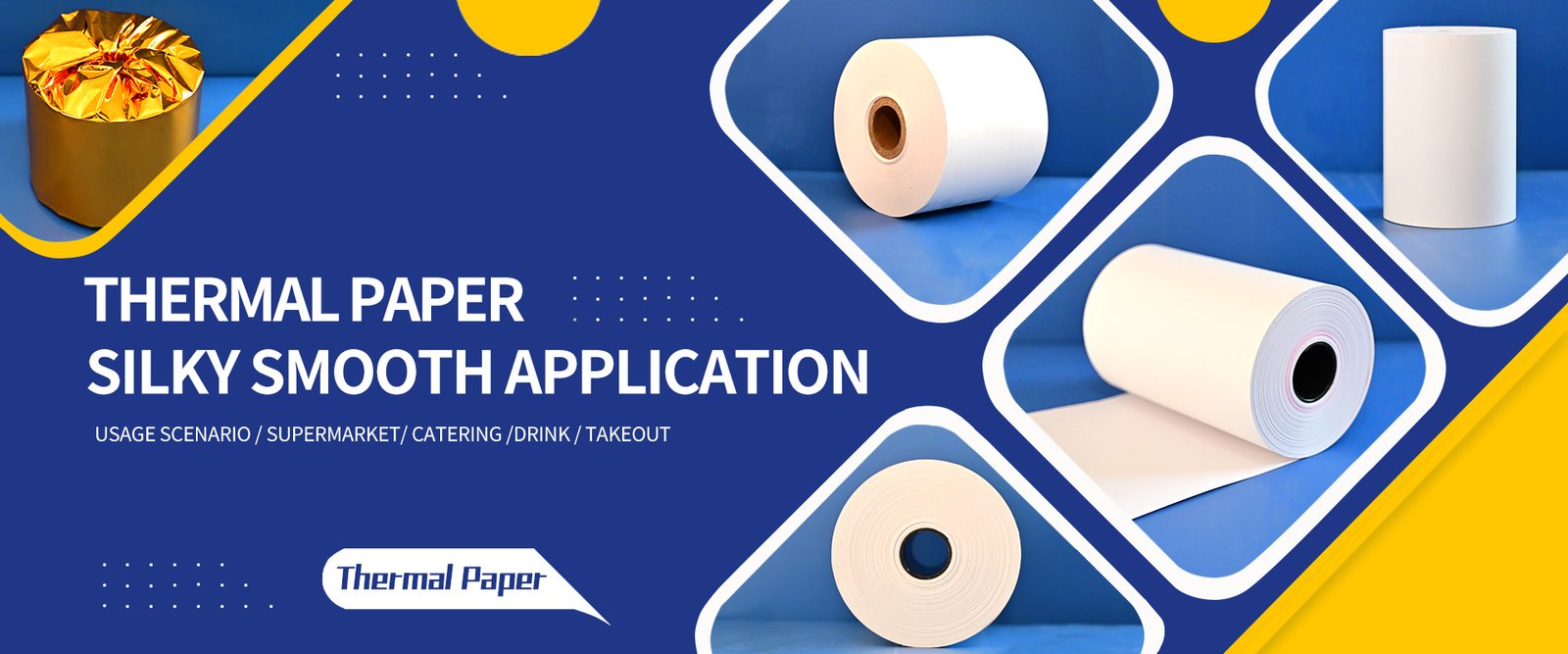
Direct Answer: How to Specify Thermal Paper for Receipts, Labels, and Tickets
Thermal paper should be chosen for the printer and the real service environment, not by roll price alone. A practical request connects coating type and image-life needs with the printer, handling conditions, and exact roll dimensions.
| RFQ field | What to confirm |
|---|---|
| Application | Receipt, ticket, weigh-scale record, or logistics-label use, plus expected handling and storage conditions. |
| Printer fit | Printer or printhead compatibility, target print quality, and whether the roll is used for direct thermal printing. |
| Image durability | Required readability period and exposure to heat, light, friction, oils, moisture, or other conditions relevant to the use case. |
| Roll specification | Paper grade or basis weight, width, outer diameter, core size, winding direction, and trial-approval requirement. |
See the thermal paper product range for material options, then use the checklist above to align the roll with the printer and operating environment.
Introduction
Thermal Paper is the right choice when a buyer needs fast, inkless printing for receipts, tickets, weigh-scale records, or short-life logistics labels. The main sourcing question is not simply roll price; it is whether the paper coating, basis weight, width, core size, and image durability fit the printer, handling process, and market regulations.
XIYONG Packaging Co., Ltd. supplies thermal paper for B2B buyers who need practical packaging and labeling materials across retail, logistics, food service, transport, and commercial operations. For procurement teams, the value is in specifying the roll or label construction correctly before price comparison begins.
What Is Thermal Paper?
Thermal Paper is a coated paper that creates an image when exposed to heat from a thermal print head, eliminating the need for ink, toner, or ribbons in compatible direct thermal printers.
A typical construction includes a paper base, a heat-sensitive coating made with color-forming chemistry such as leuco dye and developer systems, and, where needed, a protective topcoat. Top-coated grades offer better resistance to moisture, oil, plasticizers, abrasion, and handling than economy non-top-coated grades.
Key Specifications for Thermal Paper
When sourcing Thermal Paper, buyers should confirm the operating printer model, roll dimensions, expected image life, and exposure risks before finalizing the grade. Small specification gaps can cause jamming, poor print contrast, premature fading, or non-compliance in regulated markets.
- Paper grade and weight: common receipt and ticket grades often sit around 48-80 gsm, while thermal label applications may require heavier facestock depending on stiffness, converting, and dispensing performance.
- Coating type: non-top-coated paper is economical for clean, short-term use; top-coated thermal paper is better for logistics, food retail, parking, transport, and environments with moisture, oil, alcohol, or frequent handling.
- Roll and core format: specify width, outer diameter, core inner diameter, winding direction, roll length, and printer compatibility for POS terminals, ATM machines, kiosks, scales, or industrial label printers.
- Compliance and chemistry: EU buyers should pay attention to BPA restrictions under REACH Annex XVII, which restricted BPA in thermal paper at 0.02% or more by weight from January 2020; BPA-free or phenol-free options should be requested when required by market policy.
Applications
Thermal paper is widely used where print speed, clean operation, and low maintenance matter more than long archival life. Retail receipts, restaurant orders, lottery tickets, transport tickets, queue tickets, parking records, and weigh-scale labels are common commercial examples.
For logistics and packaging workflows, direct thermal labels can support carton identification, short-term shipping labels, warehouse routing, batch marking, and price-weigh labeling. Buyers should choose top-coated grades when labels may face condensation, cold-chain handling, rubbing, or contact with packaging films.
- Retail and food service: POS receipts, kitchen order slips, shelf pricing, weigh-scale labels, and customer transaction records.
- Logistics and warehousing: shipping labels, routing labels, carton ID labels, barcode labels, and temporary inventory tracking.
- Ticketing and service systems: transport tickets, queue numbers, parking tickets, lottery-style tickets, event access slips, and kiosk printouts.
Buying Considerations
The lowest-cost thermal roll can become expensive if it fades too quickly, curls in the printer, creates dust on the print head, or fails barcode scanning. Buyers should test print density, barcode readability, cutter performance, and roll feed behavior using the actual printer model and storage conditions.
Thermal images are sensitive to heat, UV exposure, oils, solvents, adhesives, and some plasticizers found in PVC materials. If the printed record must remain readable for months or years, specify the required image life and ask whether a higher-performance topcoat or an alternative print method is more suitable.
- Confirm printer compatibility: paper width, roll diameter, core size, winding direction, sensitivity, and required print darkness should match the equipment in use.
- Define the service environment: exposure to sunlight, heat, moisture, oil, alcohol, friction, freezer conditions, or contact with flexible packaging films can change the required grade.
- Plan commercial details early: order quantity, private label packaging, carton packing, pallet configuration, roll labeling, export documentation, and destination-market chemical requirements all affect lead time and landed cost.
Why XIYONG
XIYONG Packaging Co., Ltd. works within practical B2B packaging supply, where thermal paper may be purchased alongside labels, flexible packaging films, pouches, or paper packaging. This helps buyers align print media with the wider packaging and distribution workflow instead of treating it as an isolated office consumable.
For thermal paper projects, XIYONG Packaging Co., Ltd. can support discussions around application, roll format, coating requirement, packaging method, and shipment planning. Buyers should provide printer details, sample dimensions, target market, and performance expectations so the specification can be checked before production.
- Product-category fit across paper packaging, labels, flexible packaging films, and pouch-related supply needs for global B2B buyers.
- Specification-led sourcing support for roll size, coating type, application environment, packing format, and export order planning.
- Practical buyer communication focused on commercial use cases, printer compatibility, handling conditions, and destination-market requirements.
Conclusion
Thermal Paper is a practical inkless printing material for receipts, labels, tickets, and short-term transaction records, but the right purchase depends on coating, format, durability, compliance, and printer fit. XIYONG Packaging Co., Ltd. helps B2B buyers define those requirements clearly before ordering, reducing the risk of poor print quality, fading, or mismatched roll specifications.
Related Product Pages
If you are planning a live packaging project, these product pages can help you compare structures, materials, and application fit more quickly.
Topic Cluster Links
Related Industries
Related FAQ
Related Downloads
Related Guides
Related Comparisons
Related News
Related Case Study
Technical Evidence
CTA
FAQ
What is Thermal Paper used for in B2B packaging and retail operations?
Thermal Paper is used for fast, inkless printing in receipts, tickets, logistics labels, weigh-scale labels, and short-term identification records. For packaging buyers, it is most useful where barcode readability, clean printing, fast throughput, and simple printer maintenance are more important than permanent archival storage.
How should buyers choose between top-coated and non-top-coated Thermal Paper?
Buyers should choose top-coated Thermal Paper when the print may face moisture, oil, abrasion, cold-chain handling, or contact with packaging materials. Non-top-coated grades are usually more economical for clean indoor receipt use, but they offer less protection against fading, smearing, and surface damage.
What information should be provided when requesting a Thermal Paper quotation from XIYONG Packaging Co., Ltd.?
Buyers should provide roll width, outer diameter, core inner diameter, winding direction, paper weight, coating requirement, printer model, target application, packing method, and destination market. These details help XIYONG Packaging Co., Ltd. check compatibility, commercial feasibility, and any chemistry or documentation requirements before quoting.
Next sourcing steps
Use the article as a specification checklist, then send product use, size, thickness or gsm, quantity, destination country and required documents for review.