
Packaging News & Industry Timeline
Follow packaging material, printing, sourcing, and sustainability updates in reverse chronological order, with practical context for product teams and packaging buyers.
Latest News Articles

Food Packaging Compliance Materials Move to the Center of Ink and rPET Buying Decisions
Food packaging compliance materials are reshaping print and substrate sourcing as buyers tighten low-migration ink and food-grade rPET requirements.

Low Migration Inks for Food Packaging Become a Procurement Priority
Low migration inks for food packaging are moving from a specialist print decision to a procurement requirement for films, pouches, paper and labels.

Low Migration Inks for Food Packaging Move From Print Detail to Procurement Requirement
Low migration inks for food packaging are reshaping how buyers specify labels, films, pouches, and printed food-contact materials.

Low Migration Inks for Food Packaging Move From Technical Option to Buying Requirement
Low migration inks for food packaging are becoming a core sourcing requirement as converters balance print performance, compliance, and material choices.

PPWR Packaging Compliance Is Rewriting the Paper vs Compostable Decision in Europe
PPWR packaging compliance is pushing buyers to reassess recyclable paper packs, compostable formats, labeling, and food-contact sourcing across the EU.

Sustainable Food Packaging Regulations Push Buyers Toward Recyclability, Compostability and PCR Proof
Sustainable food packaging regulations are making recyclability, compostability and PCR sourcing practical buying requirements for food brands.

Packaging EPR Requirements Make PCR and Material Data Procurement Priorities
Packaging EPR requirements are pushing PCR content, material data, and format selection into mainstream procurement decisions for films, pouches, labels, and paper.

EU PPWR Packaging Compliance Is Reshaping Material, Label and Decoration Choices Across Europe
EU PPWR packaging compliance is pushing buyers to rethink materials, labels, metallic effects, and pack design well before enforcement deadlines.

PPWR Recyclability Requirements Are Forcing a Redesign of Labels and Flexible Packaging
PPWR recyclability requirements are pushing converters and brand owners to rethink labels, films, and pouches as Europe and US EPR rules tighten design-for-recycling decisions.

EU PPWR Packaging Requirements Accelerate the Shift to Recyclable, Lower-Material Formats
EU PPWR packaging requirements are speeding demand for recyclable packs, recycled content, and lower-material label and film formats across B2B supply chains.

EU PPWR Packaging Requirements Are Rewriting Material Choice, Recycled Content, and Compliance Planning
EU PPWR packaging requirements are pushing buyers to redesign formats, secure recycled content, and tighten compliance planning across films, labels, pouches, and paper.
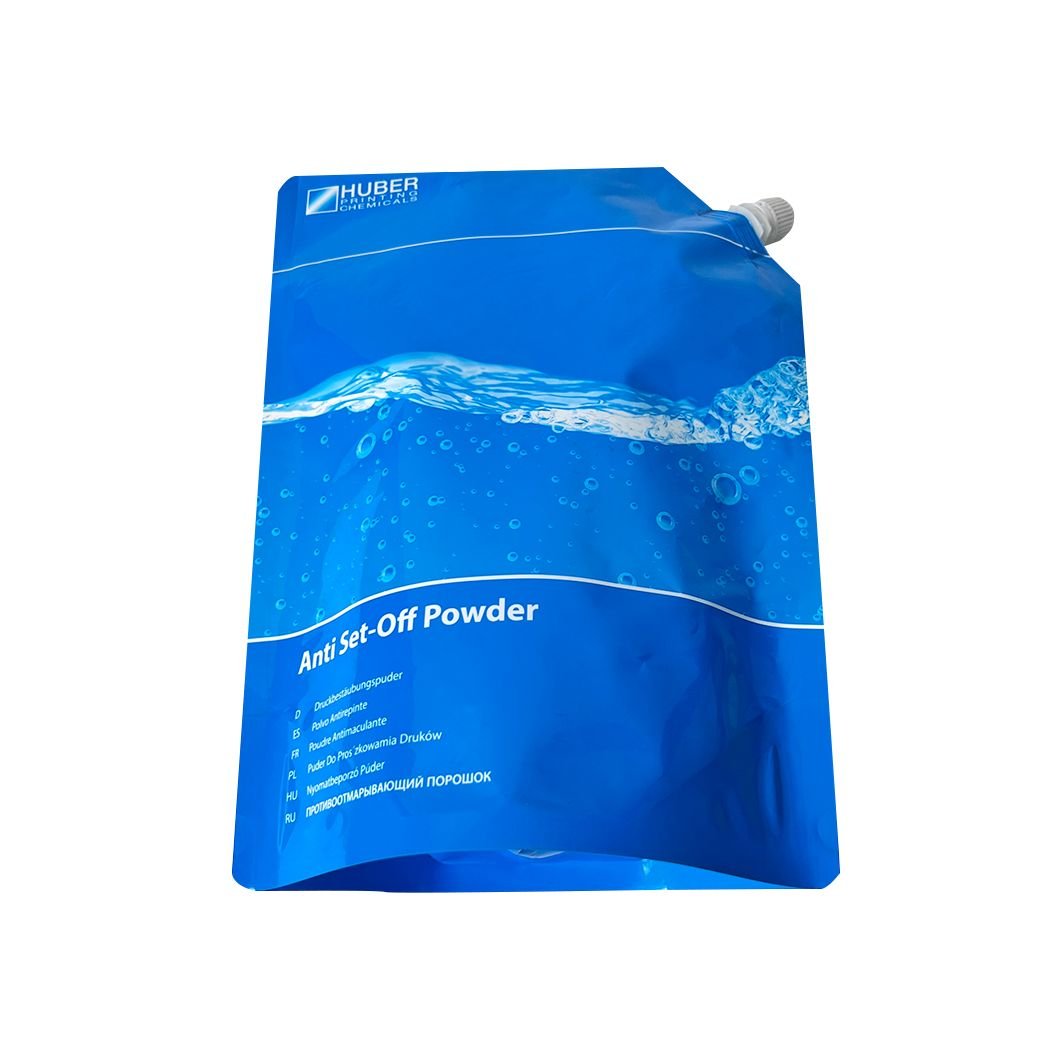
Leak-Proof Spouted Pouch Packaging Moves Up the Buying Agenda for Liquid and Semi-Liquid Formats
Leak-proof spouted pouch packaging is becoming a sourcing priority as buyers push for stronger closure performance, convenience, and lower leakage risk.
Smart Packaging Labels Are Becoming Cold-Chain Infrastructure, Not Just Compliance Extras
Smart packaging labels are shifting from compliance markers to active tools for cold chain, food quality, authentication, and digital traceability.
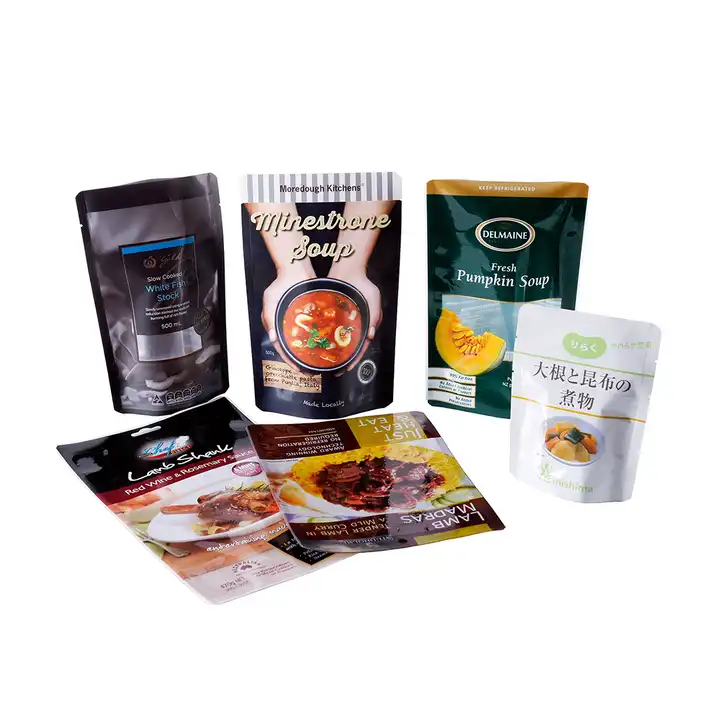
Retort Pouch Packaging Gains Ground as Food Brands Push for Shelf-Stable, Lightweight Formats
Retort pouch packaging is gaining momentum as food brands seek shelf-stable, lightweight formats with strong barrier performance and better logistics efficiency.
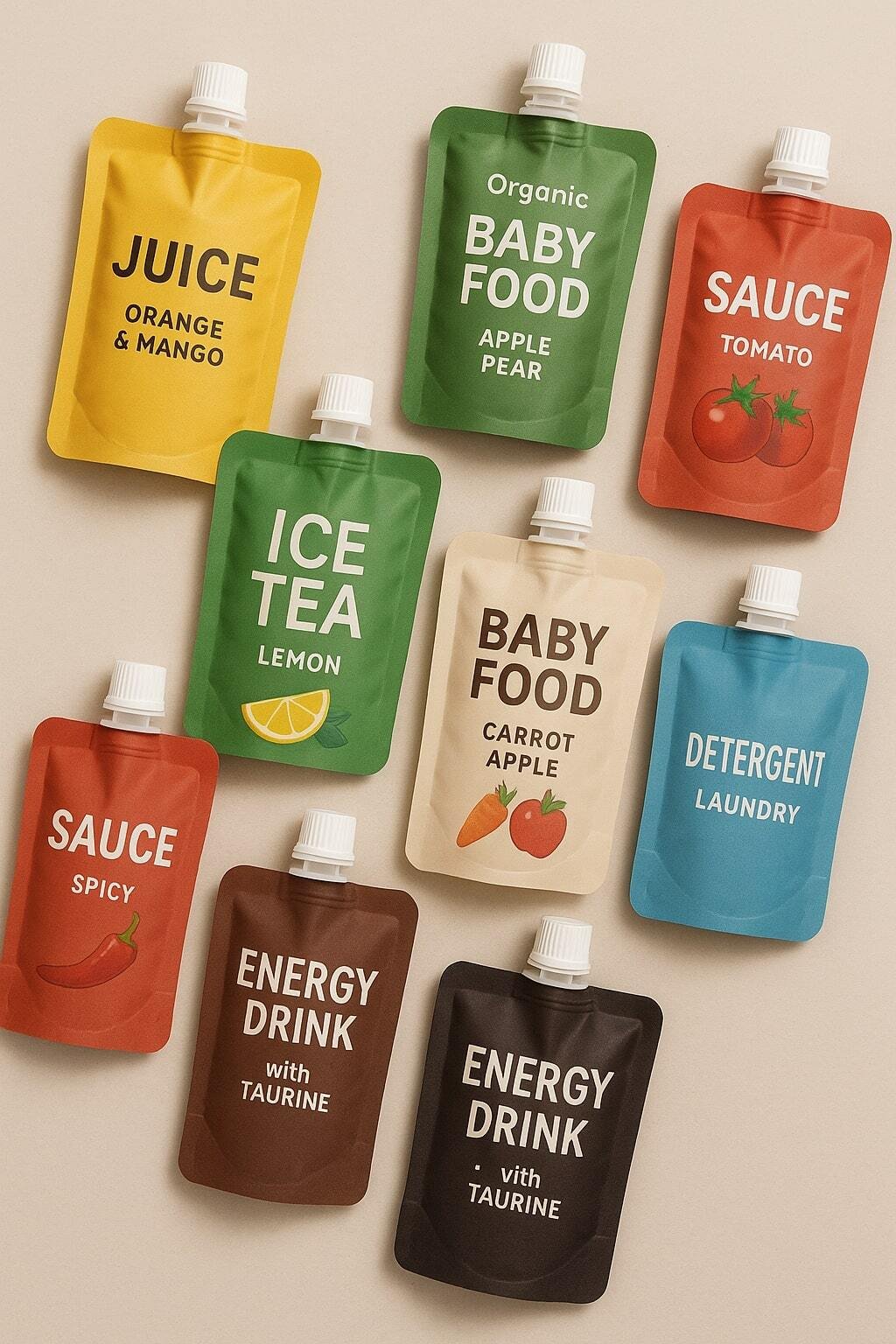
Spouted Pouch Packaging Trends Shift from Convenience Niche to Mainstream Buying Decision
Spouted pouch packaging trends are moving into mainstream sourcing as food and beverage brands prioritize leak resistance, easy opening, portability, and filling flexibility.
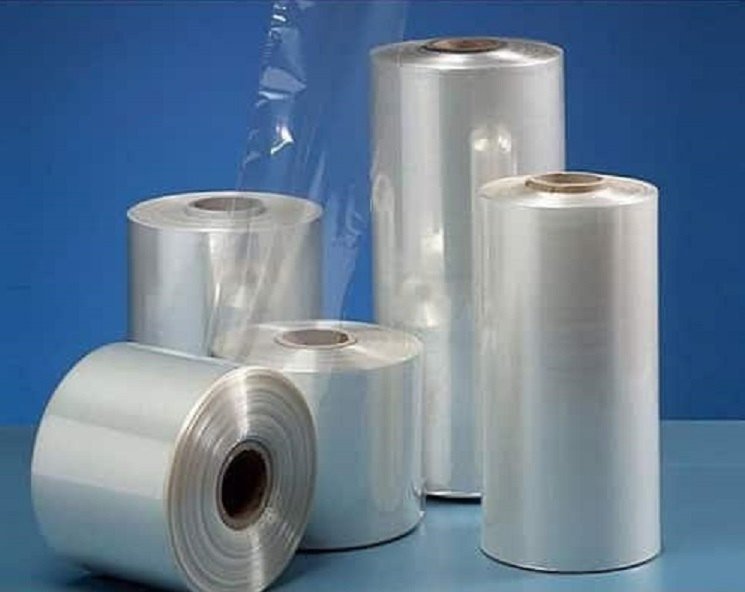
Mono-Material Flexible Packaging Is Reshaping Film and Pouch Procurement for Food Applications
Mono-material flexible packaging is moving from pilot concept to sourcing priority as food buyers weigh recyclability, barrier, and converting fit.
Flexible Packaging Film Prices Rise as Polymer Inflation Pushes Buyers Toward Simpler, Mono-Material Structures
Flexible packaging film prices are rising as polymer costs and supply disruption reshape sourcing, mono-material choices, and pouch design decisions.
Recycled Polypropylene Food Packaging Film Moves Closer to the Mainstream
Trials and interpack 2026 launches show recycled polypropylene food packaging film and mono-material PP structures are moving from concept toward commercial use.
Recyclable Mono-Material Packaging Films Move Toward the Food Packaging Mainstream
Recyclable mono-material packaging films are gaining traction as food-pack buyers weigh barrier performance, recycled content and sourcing risk in PP-based structures.
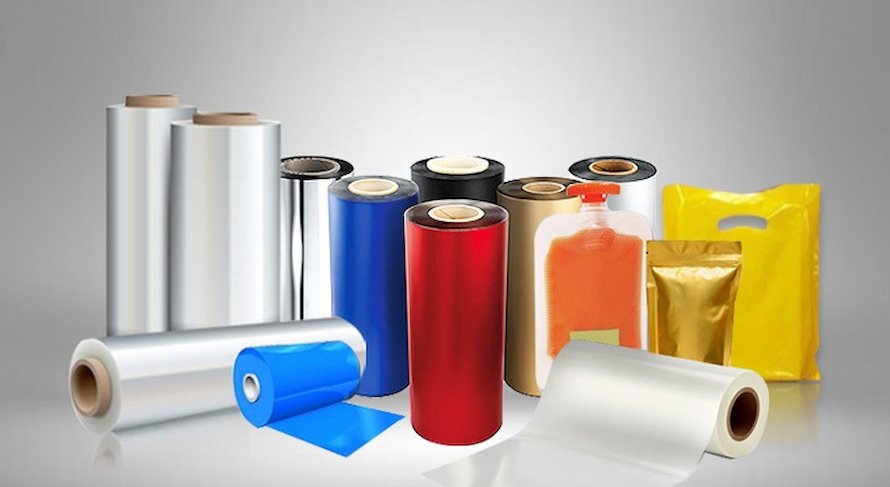
Recycled BOPP Film for Food Packaging Moves Closer to Commercial Reality
Trials by Innovia Films and PureCycle suggest recycled BOPP film for food packaging is moving from concept toward practical sourcing discussions.
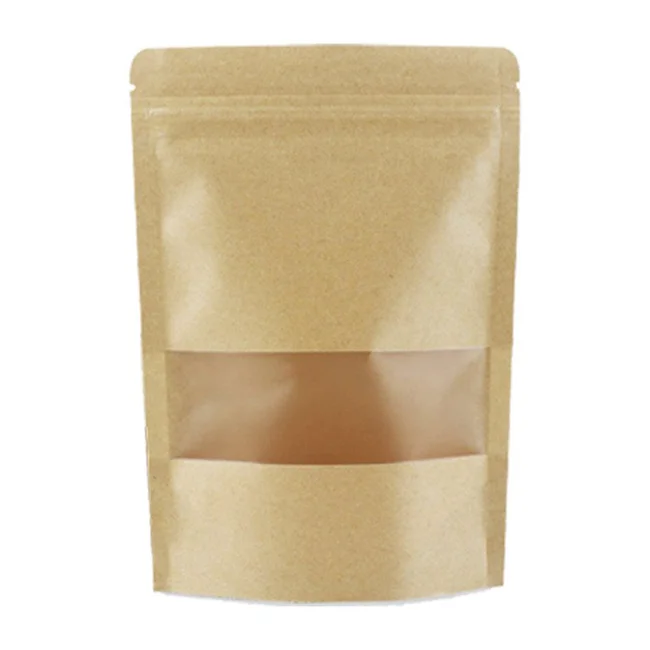
PPWR Recycled Flexible Packaging Strategy Is Shifting as Europe Confronts a Recycling Reality Gap
Europe’s PPWR recycled flexible packaging targets are colliding with limited PCR supply, usability constraints, and weak secondary markets.
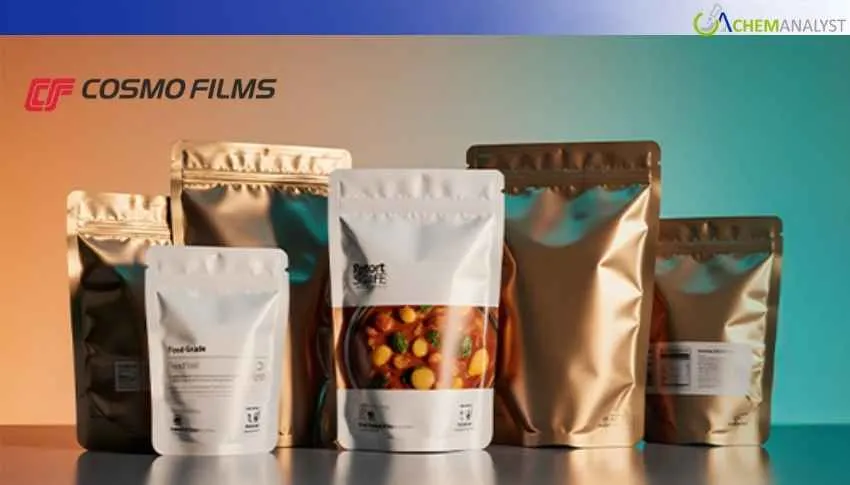
Pet Food Packaging Trends Shift Toward High-Barrier Films, Flexible Pouches, and Stronger Label Impact
Pet food packaging trends in 2026 center on flexible pouches, specialized barrier films, and labels that balance cost, shelf impact, and product information.
Need a Packaging Partner Who Turns News Into Better Sourcing Decisions?
XIYONG helps packaging buyers compare materials, printing methods, and supply-chain options as flexible packaging markets keep changing.
Explore XIYONG